Lake Mead Falls to Its Lowest Level in 90 Years, Five Feet From the Line Where Hoover Dam's Turbines Start Shutting Down
America's largest reservoir broke its 2022 record low and keeps falling; at 1,035 feet, Hoover Dam would lose most of its generating capacity.
Commentary & Analysis ·
Verified key facts
- Lake Mead fell to 1,040.5 feet on 7 August, below the previous record low of 1,040.58 feet set in July 2022, AZFamily reported
- By 18 August the reservoir stood near 1,039.7 feet and roughly a quarter full, per Bureau of Reclamation data
- The lake has fallen every month since February after the worst snowpack on record in the Colorado River Basin, Fortune reported
- At 1,035 feet some Hoover Dam turbines must shut down and generating capacity would drop by about 70 per cent, per AZFamily
- Reclamation's July 24-month study projects Lake Mead at 1,037.31 feet on 31 December 2026
- The reservoir supplies roughly 40 million people across seven states and Mexico, Fortune reported
A record that stood for four years is gone
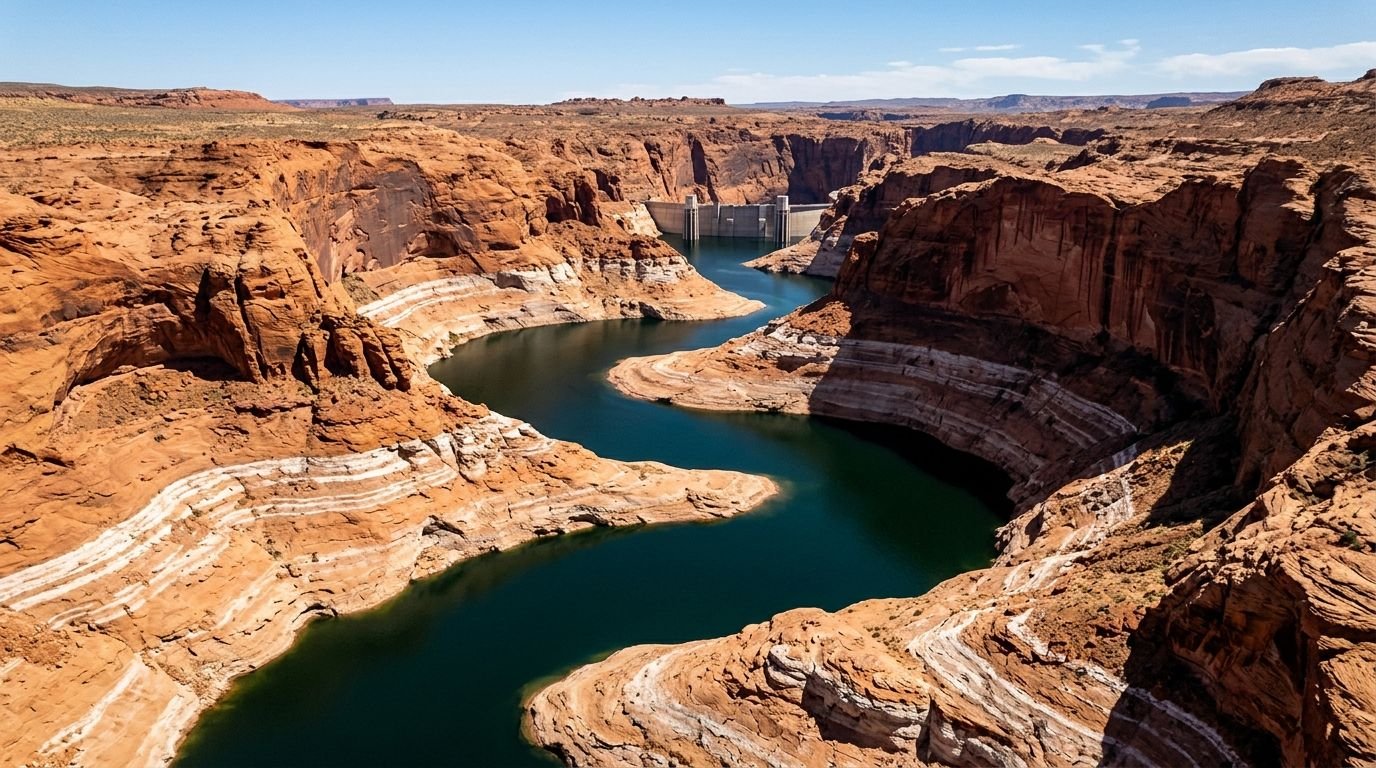
Lake Mead, the largest reservoir in the United States, has fallen to the lowest level recorded since it was first filled in the 1930s. The lake dropped to 1,040.5 feet above sea level on 7 August, edging below the previous record of 1,040.58 feet set in July 2022, AZFamily reported. It has kept falling since: Bureau of Reclamation gauge data showed the reservoir near 1,039.7 feet by 18 August, roughly a quarter full.
Fortune reported that the reservoir, the water bank for some 40 million people across seven states and Mexico, has declined every single month since February, a slide with no counterpart in its operating history at this time of year.
The winter that never delivered
The immediate cause sits hundreds of miles upstream. The past winter produced the worst snowpack on record in the Colorado River Basin, Fortune reported, and it is spring snowmelt in the Rockies that refills the river's great reservoirs. When the snow fails, Lake Powell releases less water downstream, and Lake Mead, last in the chain before the cities and farms, absorbs the shortfall.
Two and a half decades of drought have removed the system's buffers. The reservoir briefly stabilised after emergency conservation deals in 2023 and wetter years that followed, but a single failed winter has now erased those gains and pushed the lake past its 2022 crisis benchmark.
Five and a half feet from the turbine line
The number that most worries engineers is 1,035 feet. When Lake Mead's surface reaches that elevation, some of Hoover Dam's turbines must shut down and the dam's generating capacity would fall by roughly 70 per cent, per AZFamily's reporting on the record. The lake now sits barely five feet above that line.
Hoover Dam's electricity flows to utilities in Nevada, Arizona and Southern California, and its cheap hydropower underpins contracts across the region's grid. Losing most of that output in the middle of the air-conditioning season would force utilities onto costlier gas generation at exactly the moment demand peaks.
What the government's own forecast says
The Bureau of Reclamation's July 24-month study, the planning document that governs reservoir operations, projects Lake Mead at 1,037.31 feet on 31 December 2026 under its most probable scenario. That forecast has the lake spending the winter below the old record and approaching the turbine threshold without any unusual bad luck.
The projection frames the shortage determinations that dictate how much water Arizona, Nevada and Mexico must forgo next year, cuts that deepen as the lake falls through each operating tier.
The seven-state negotiation running out of road
The record low lands in the middle of stalled negotiations over the Colorado River's post-2026 operating rules, the framework that replaces the current interim guidelines when they expire at the end of this year. The basin states have spent two years unable to agree on how to share the deeper cuts a shrinking river demands.
The lake's decline strengthens no one's bargaining position and weakens everyone's: every month of falling elevation converts a hypothetical shortage the states were negotiating about into an actual one the federal government may end up allocating for them.
Las Vegas, the canary that adapted
The city most identified with Lake Mead is, paradoxically, the best prepared. Southern Nevada completed a deep-water intake and pumping station years ago that can draw water even below the dam's power pool, and the region recycles nearly all indoor water use. Las Vegas can physically keep drinking from a lake too low to generate power.
Agriculture holds the opposite position. Farms in Arizona and California's Imperial Valley take the largest share of the river's water, and they absorb the deepest cuts as shortage tiers escalate, which is why every foot of elevation at Mead is ultimately an argument about lettuce, alfalfa and who stops planting first.
Below the power pool lies harder arithmetic
Hydropower is the first threshold, not the last. Below the turbine line sits the elevation engineers call dead pool, around 895 feet at Lake Mead, where water can no longer flow by gravity through Hoover Dam at all. The lake is nowhere near that point, but its existence disciplines every conversation about the reservoir, because the system's plumbing was designed for a river the twentieth century measured and the twenty-first has not delivered.
Between the two thresholds lie the intake levels that matter to individual cities and irrigation districts, each with its own elevation at which pumping becomes harder or impossible. That staircase of consequences is why water managers treat single feet of elevation as front-page news: the difference between 1,040 and 1,035 is not five feet of water, it is the difference between a strained system and a partially disabled one.
The 1,035-foot question hanging over December
Between now and the end of the year, two numbers will decide whether this record low becomes a genuine emergency: the autumn release schedule from Lake Powell, and whether the coming winter's snowpack breaks the pattern of the last one. Reclamation's projection of 1,037.31 feet by New Year leaves less than a three-foot cushion above the turbine line.
A reservoir that took four years to fall from its 2022 record to today's level now has about thirty months of similar decline between itself and dead pool arithmetic. The American West has engineered its way out of every previous deadline on this river; this one arrives with the tools already used.
Sources
- Fortune - Largest U.S. reservoir plummets to lowest level since it was filled some 90 years ago as water crisis deepens for western states
- AZFamily - Water crisis: Lake Mead water levels hit lowest ever recorded
- Bureau of Reclamation - July 2026 Most Probable 24-Month Study
- Pagosa Daily Post - Lake Mead Hits Record Low Water Level, August 2026
You may also like to read

Spain Declares National Emergency as Wildfires Spread Near Madrid
Spain declared a national emergency and deployed the army as wildfires near Madrid and Avila forced tens of thousands to flee or shelter.
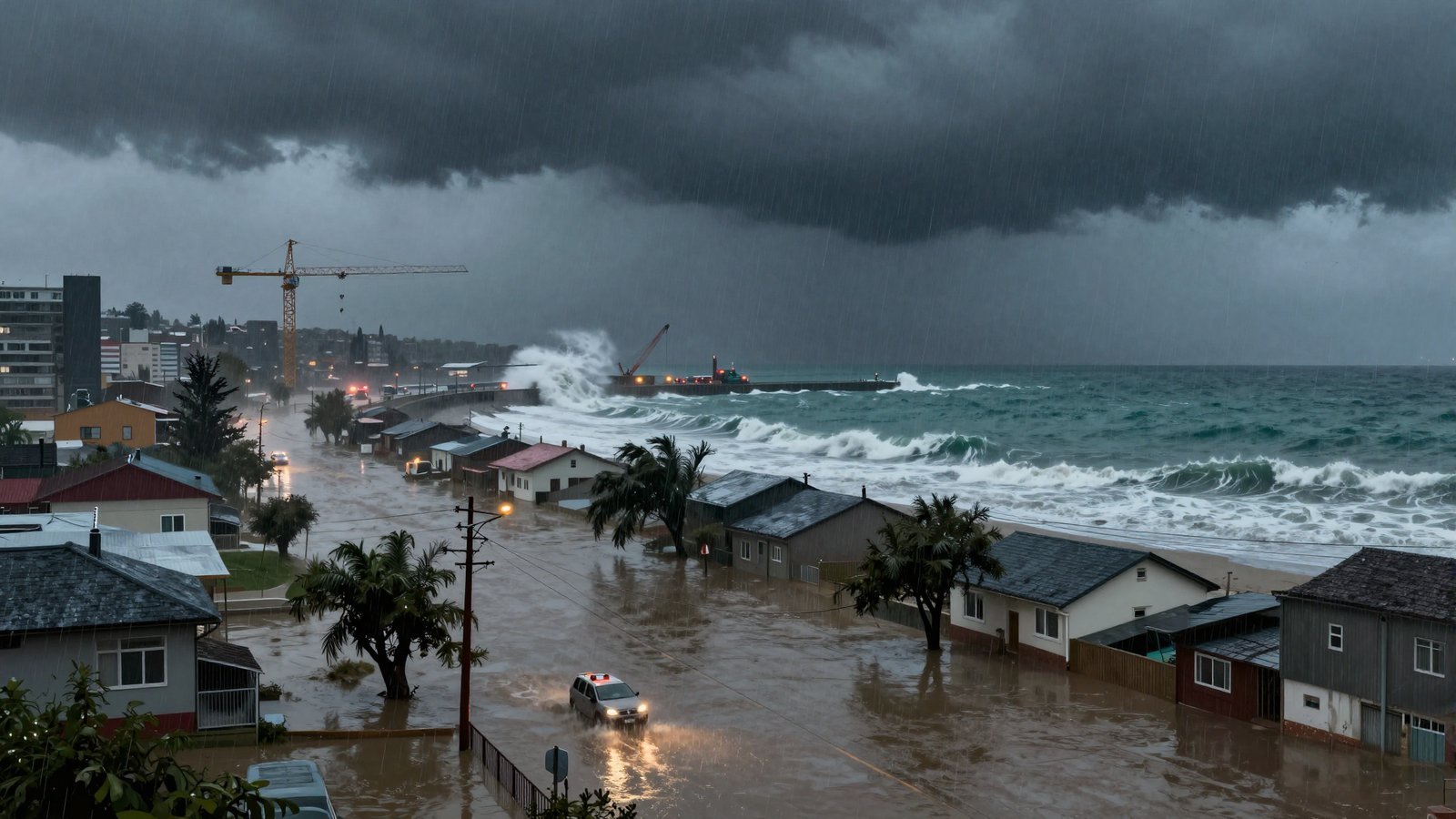
Historic Storm Batters Chile, Killing 13 and Cutting Power Widely
A powerful winter storm swept across Chile, killing at least 13 people, cutting power to hundreds of thousands and destroying homes.
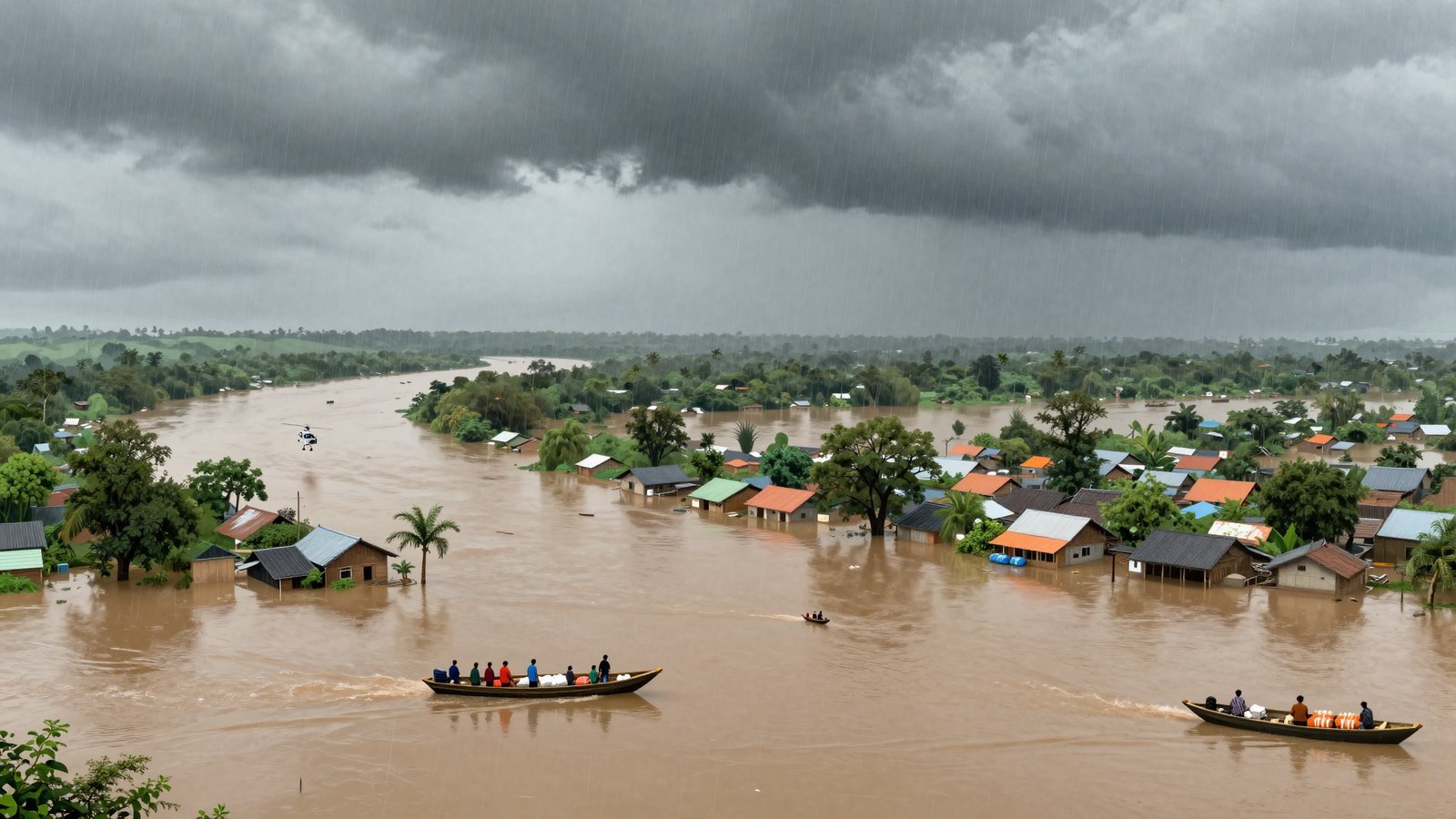
At Least 50 Killed and 700,000 Displaced by Floods in India's Assam
Monsoon floods along the Brahmaputra have killed at least 50 people and displaced 700,000 in Assam, submerging hundreds of villages.
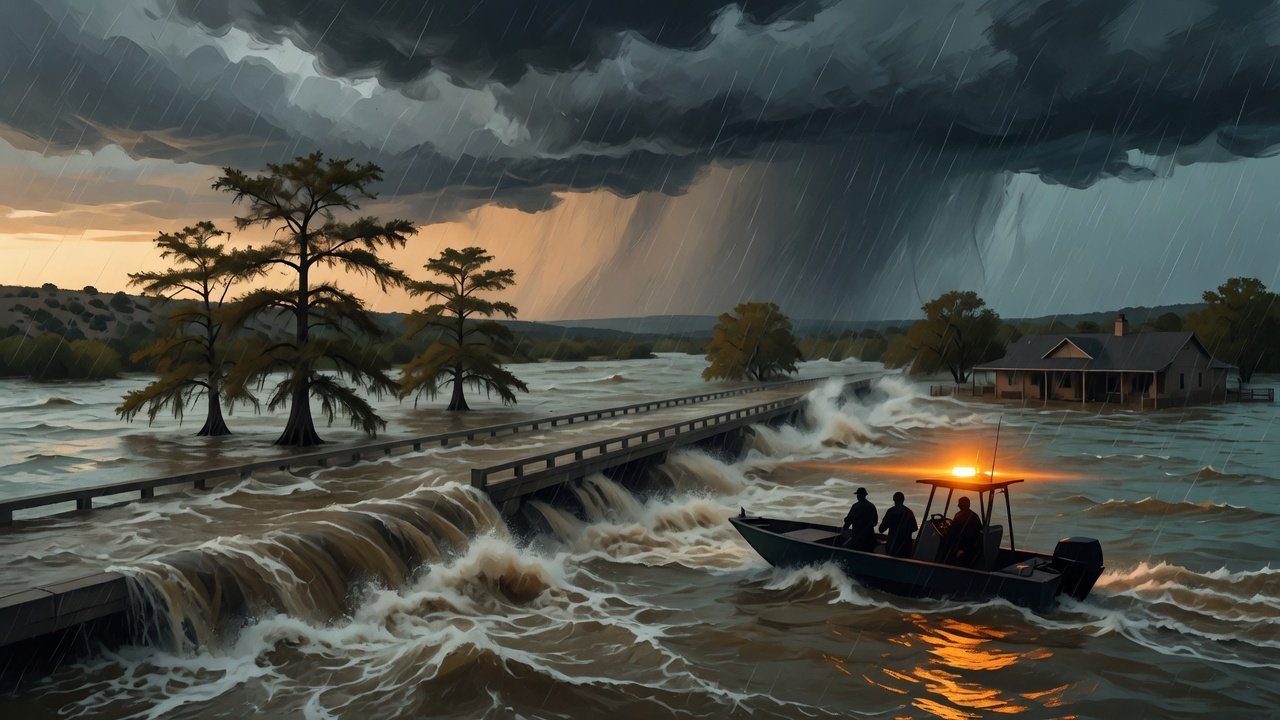
Texas Hill Country Faces Flash Flood Emergency a Year After Its Deadliest Deluge
A flash flood emergency covers Kerr County and Uvalde as torrential rain returns to the Texas Hill Country a year after floods that killed more than 130.