At Least 50 Killed and 700,000 Displaced by Floods in India's Assam
Monsoon floods along the Brahmaputra have killed at least 50 people and displaced 700,000 in Assam, submerging hundreds of villages.
Commentary & Analysis ·
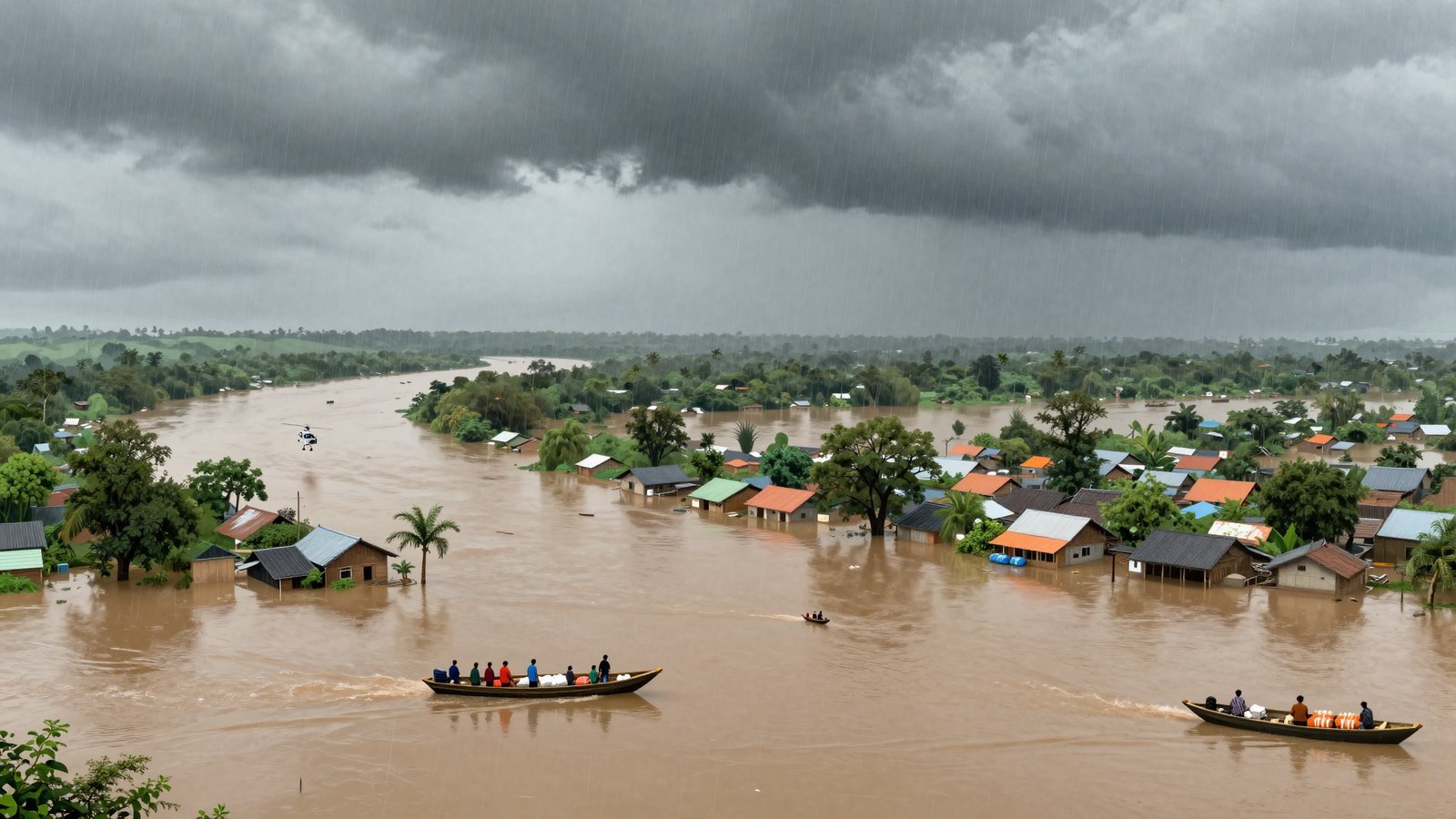
Verified key facts
- Floods in Assam killed at least 50 people by 24 July 2026, up from 41 the previous day.
- Around 700,000 people were displaced, with nearly 300,000 in relief camps.
- The Washington Post reported nearly 900 villages submerged and thousands of homes without power.
- The Brahmaputra flows about 900km through Assam from the Tibetan plateau.
- Authorities used helicopter airdrops to reach cut-off communities.
What happened
Days of heavy monsoon rain caused the Brahmaputra River to overflow across India's northeastern state of Assam, killing at least 50 people and displacing about 700,000. Officials said the toll had risen from 41 on 23 July to at least 50 by the following day.
The Washington Post reported that nearly 900 villages were submerged and more than 7,000 homes were left without electricity. Floodwaters swept away houses and forced nearly 300,000 people into government-run relief camps.
Assam Chief Minister Himanta Biswa Sarma said authorities were providing food and relief supplies to those affected, including airdrops from helicopters to reach communities cut off by the rising water. Rescue teams worked to move stranded residents to higher ground.
The death toll climbed as more reports reached authorities from remote districts. Officials cautioned that figures could rise further as rescue teams reached areas that had been inaccessible during the peak of the flooding.
A river under strain
The Brahmaputra is one of Asia's largest rivers. It originates on the Tibetan plateau in China and flows about 900 kilometres through Assam before continuing into Bangladesh. Its broad, braided channels make the valley especially prone to seasonal flooding.
Assam experiences damaging floods most years during the monsoon, but the scale of displacement in this event stretched local capacity. Swollen tributaries and saturated ground left little room to absorb further downpours.
The river's course shifts over time, eroding banks and reshaping the many islands within its channels. Communities on these low-lying stretches often live with the knowledge that a severe season can force them to move entirely.
- The monsoon traditionally runs from June to September across South Asia.
- Low-lying river islands known as chars are among the most exposed areas.
- Repeated flooding erodes farmland and displaces communities each year.
The humanitarian picture
Relief camps filled quickly as families fled inundated homes with few belongings. Aid workers focused on clean water, food and shelter, priorities that become urgent when large numbers are displaced into crowded temporary sites.
Submerged villages and downed power lines complicated the response. Reaching isolated hamlets required boats and aircraft, and damaged roads slowed the delivery of supplies to some of the worst-hit districts.
Livestock losses and ruined crops threatened livelihoods well beyond the immediate emergency. For subsistence farmers, a single severe flood can wipe out a season's income and deepen rural hardship.
Crowded relief camps also raise the risk of waterborne disease once floodwaters recede. Health workers often focus on sanitation and disease surveillance in the aftermath, when stagnant water and damaged systems create conditions for outbreaks.
The climate context
Experts say human-caused climate change is intensifying South Asia's monsoons, producing heavier bursts of rain that raise the risk of sudden, severe flooding. Warmer air holds more moisture, which can fall in concentrated, damaging downpours.
Assam's geography leaves it particularly exposed to these shifts. Rapid runoff from the Himalayas combines with heavy local rain to push rivers past their banks, often with little warning for downstream communities.
Deforestation and unplanned construction in catchment areas can worsen the impact by speeding runoff and blocking natural drainage. Analysts have urged greater investment in flood management that accounts for the region's changing rainfall patterns.
The floods also disrupted transport and communications across affected districts. Washed-out roads and bridges isolated communities, slowing both rescue work and the return to normal life once the immediate danger had passed.
Why it matters
The disaster highlights the recurring vulnerability of one of India's poorest regions to extreme weather. Each major flood strains disaster funds, damages infrastructure and sets back development in affected districts.
Because the Brahmaputra crosses international borders, severe flooding in Assam can also affect Bangladesh downstream. Managing the river's risks is a shared challenge that reaches beyond any single state or country.
The disaster also carries a political dimension, as residents look to the state and central governments for protection and support. Recurring floods keep questions of preparedness, relief and long-term investment high on the regional agenda.
Assam is also home to protected wildlife habitats that suffer during major floods, adding an environmental dimension to the crisis. Animals are often forced to flee inundated reserves, raising the risk of casualties and conflict with people.
Relief work and the rain ahead
Authorities said they would continue rescue and relief operations while monitoring further rainfall. The immediate priority was to prevent additional deaths and to sustain those sheltering in camps.
As waters recede, attention will turn to rebuilding homes, restoring power and helping farmers replant. Officials face pressure to strengthen embankments and early-warning systems before the next phase of the monsoon.
Compensation for lost homes, livestock and crops will be a central demand from affected families. State and federal authorities typically face scrutiny over how quickly aid reaches those who have lost the most in such disasters.
Aid organisations were likely to appeal for support to sustain relief efforts as needs grew. Prolonged displacement can outlast the initial emergency response, leaving families reliant on assistance for weeks or months after the water recedes.
The event adds to a growing record of destructive floods across South Asia in recent years. It renews questions about how quickly the region can adapt infrastructure and planning to a wetter, more volatile climate.
Sources
- The Washington Post - At least 50 killed and 700,000 displaced by India floods (24 Jul 2026)
- ITV News - At least 50 killed and 700,000 displaced by monsoon floods in India (24 Jul 2026)
- HNGN - India floods kill at least 50 as Assam's Brahmaputra overflows (24 Jul 2026)
You may also like to read
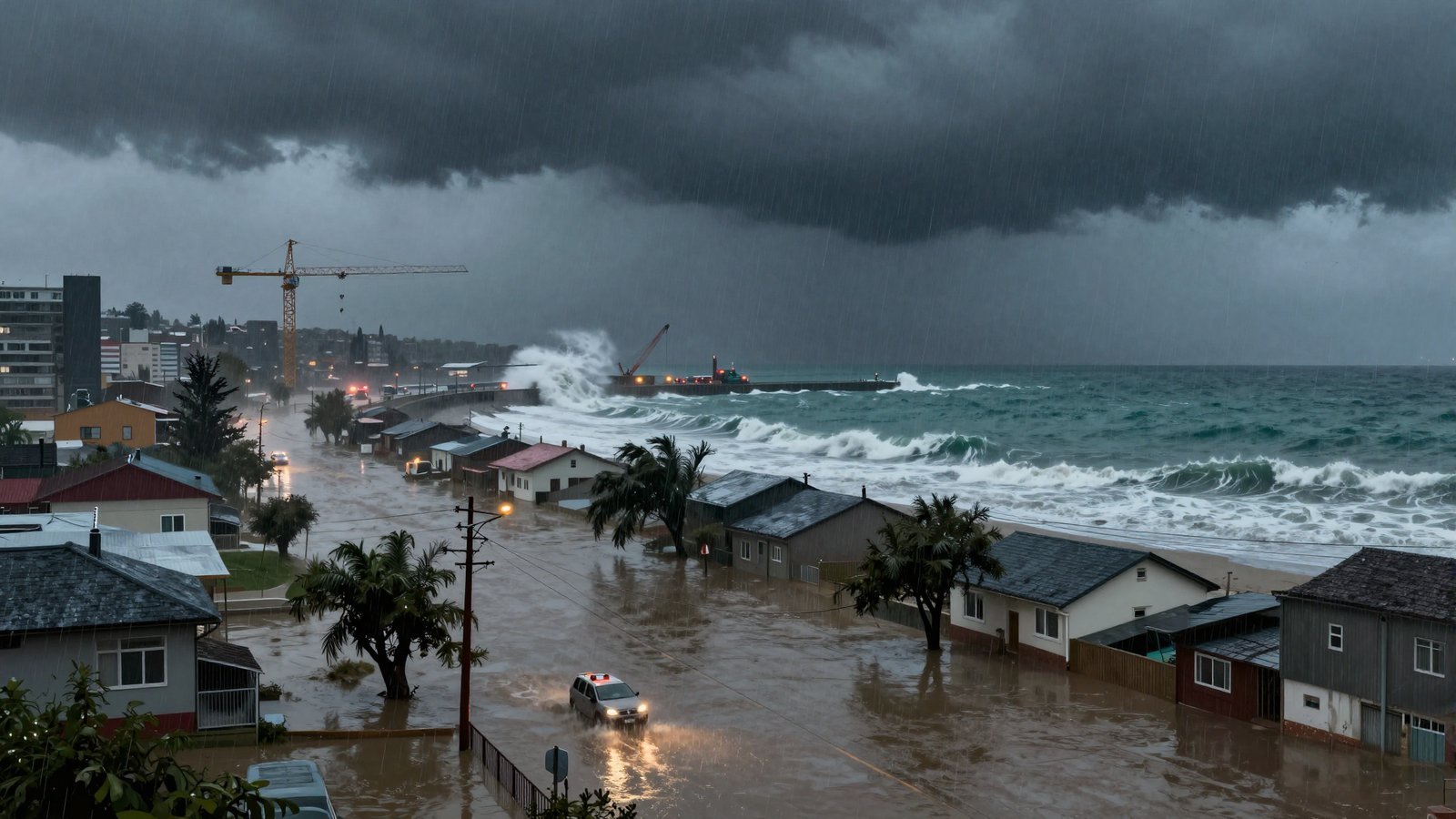
Historic Storm Batters Chile, Killing 13 and Cutting Power Widely
A powerful winter storm swept across Chile, killing at least 13 people, cutting power to hundreds of thousands and destroying homes.
Deadly Unrest in Pakistan-Administered Kashmir Deepens India-Pakistan Tensions
Protests, a crackdown and phased elections created a new flashpoint in Pakistan-administered Kashmir, as rights groups and authorities gave clashing accounts.

India and Pakistan Trade Sharp Kashmir Warnings While a Fragile Truce Holds
Defence officials in New Delhi and Islamabad traded sovereignty claims over Kashmir this week, hardening the rhetoric even as the Line of Control stayed quiet.
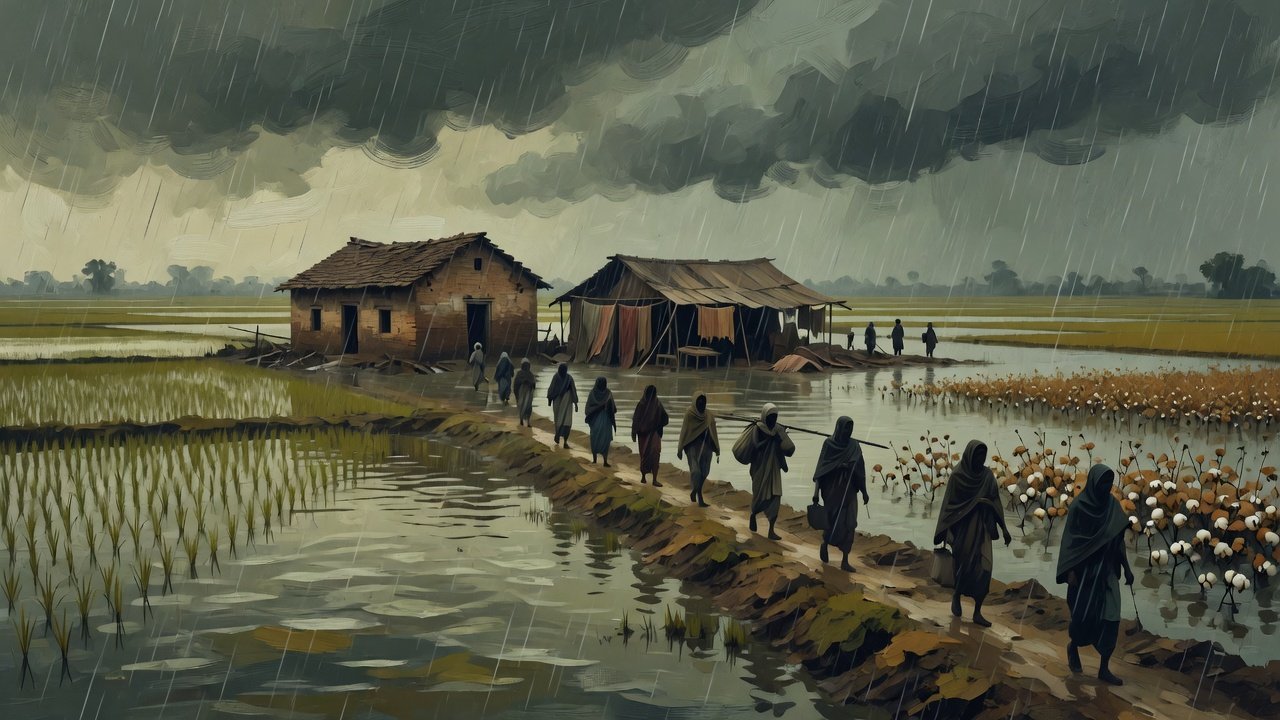
Pakistan's floods batter farms, factories and the budget as an IMF mission prepares its verdict
With over 1,000 dead, crops devastated in Punjab and Sindh and inflation at a 26-month high, the IMF will review whether Pakistan's budget can absorb the shock.