Deadly Unrest in Pakistan-Administered Kashmir Deepens India-Pakistan Tensions
Protests, a crackdown and phased elections created a new flashpoint in Pakistan-administered Kashmir, as rights groups and authorities gave clashing accounts.
Commentary & Analysis ·
Verified key facts
- Civil society groups accused security forces of killing protesters, while authorities blamed banned groups and militants for the violence.
- Protests, a security crackdown and phased elections created a new flashpoint in the disputed region.
- Authorities said armed actors infiltrated protests; activists alleged unarmed demonstrators were shot.
- India rejected the legitimacy of the elections; deaths, injuries, internet shutdowns and blocked medical access were reported.
- Observers warn the unrest could interact with Line of Control tensions between two nuclear-armed states.
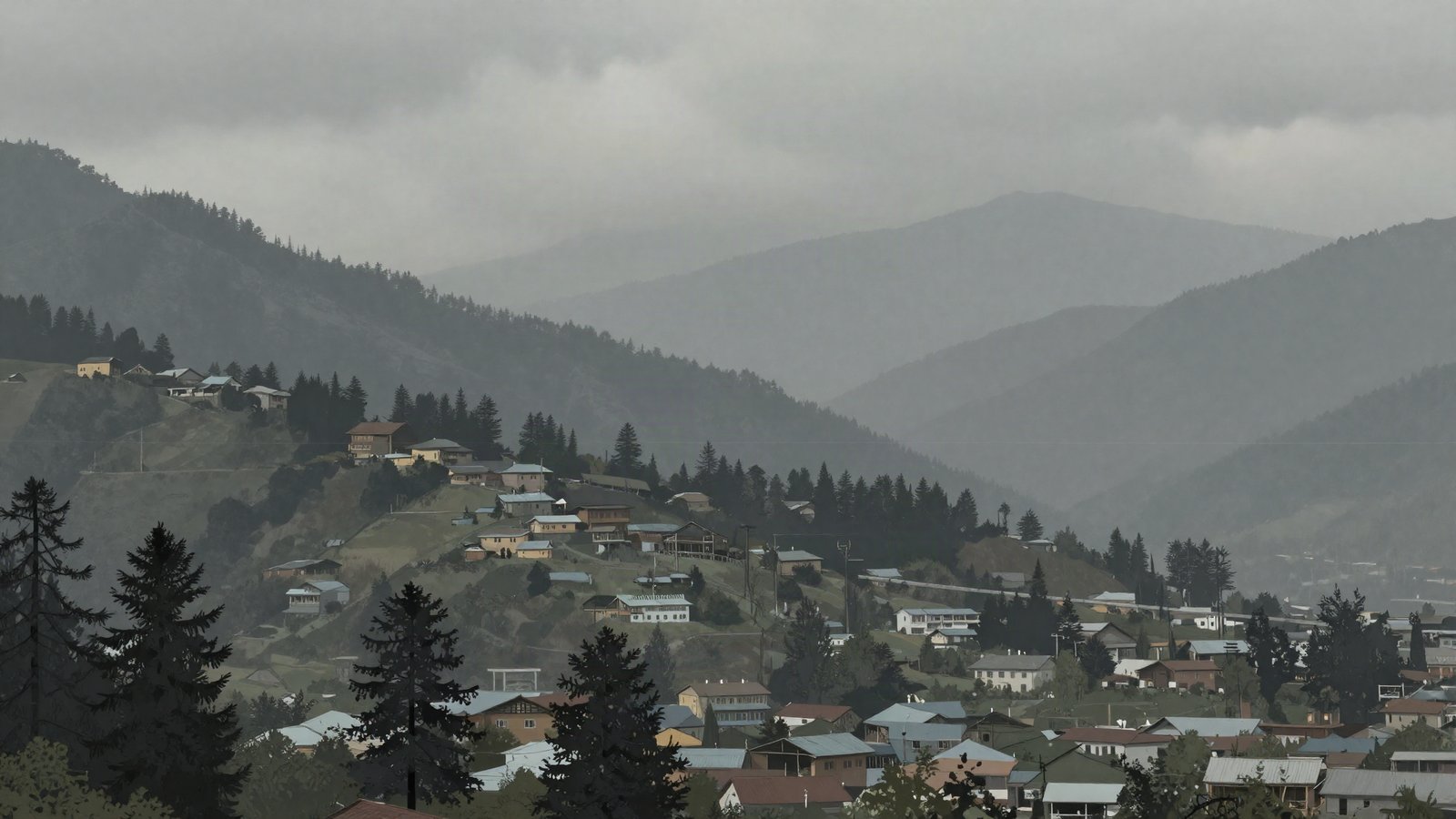
A combination of protests, a security crackdown and phased elections has created a new flashpoint in Pakistan-administered Kashmir, according to the reporting available. Civil society groups accused security forces of killing protesters. Authorities blamed banned groups and militants for the violence. That leaves two sharply opposed accounts of what took place.
The disputed region has long been a source of tension between India and Pakistan, both nuclear-armed states with competing claims. The latest unrest unfolded alongside elections held in phases under heavy security. It has added a fresh source of friction. The competing claims about the violence cannot be verified from outside, and this article attributes them to their respective sources.
Protests met with a crackdown
Security forces imposed restrictions and communications blackouts as the unrest developed, according to the reporting. Elections proceeded in phases under heavy security. This layering of protest, crackdown and voting produced a volatile environment. In it, grievances, state control and the machinery of an election overlapped.
The principal actors identified are the Pakistan-administered Kashmir authorities, a protest coalition referred to as the JAAC, protesters more broadly, Pakistan and India. The involvement of both India and Pakistan reflects the disputed status of the territory. Events on one side reverberate across a contested boundary and draw responses from both governments.
Kashmir has been divided between India and Pakistan for decades, with each administering part of the territory and claiming it in full. The dispute has driven repeated confrontations and remains one of the most sensitive issues between the two states. Against that backdrop, unrest on either side of the line tends to draw attention well beyond the immediate area.
What might elsewhere be a local political crisis is here refracted through a long history of rivalry. That history gives events an added weight and a wider audience. Two governments watch each other closely, and each reads developments across the line for signs of advantage or threat.
The presence of a protest coalition, referred to in the reporting as the JAAC, points to organised grievances within the territory. Such movements have at times focused on economic and civic demands as well as questions of governance. The current unrest unfolded as those demands intersected with an election and a security response. That intersection helps explain why the situation escalated, and why the accounts of what happened diverge so sharply between officials and civil society groups.
Conflicting accounts of the violence
The central dispute concerns what happened during the unrest. Authorities said armed actors had infiltrated the protests. They framed the violence as the work of militants who exploited the demonstrations. Activists alleged instead that unarmed demonstrators were shot. They presented the deaths as the result of force used against peaceful protesters.
These accounts are difficult to reconcile, and the communications blackouts complicate independent verification. Civil society groups accused security forces of killing protesters. The authorities attributed the violence to banned groups and militants. The reporting sets out both positions without resolving them. The restrictions on information flow mean a clear, independently confirmed picture of events has been hard to establish.
The disputed elections
The elections at the centre of the unrest were themselves contested beyond the territory. India rejected the legitimacy of the vote, according to the reporting. That rejection reflected its own claims to the wider region. It turned the electoral process into another arena of the broader dispute, rather than a purely internal exercise.
Holding elections in phases under heavy security suggests an environment in which authorities anticipated unrest. The combination of a contested vote, a security presence and active protests created conditions in which political process and confrontation ran together. India's rejection of the elections' legitimacy added an external dimension. It linked the local vote to the long-standing sovereignty dispute between the two states.
The impact on residents
For people in the region, the reporting describes deaths, injuries, internet shutdowns and blocked access to medical care. The internet shutdowns are significant both for daily life and for the flow of information. They cut residents off from communication at a moment of crisis. They also hinder outside understanding of events.
Blocked medical access is a particularly serious consequence. It can prevent the injured from receiving timely treatment. Together, these effects describe a population caught between protest and crackdown, with basic services and communications disrupted. The reporting does not provide a full, independently verified tally of casualties, in part because of the restrictions imposed during the unrest.
The wider danger
Leaders on both sides called for calm while continuing to trade sovereignty claims, according to the reporting. They maintained their opposing positions even as they urged de-escalation. That combination of appeals for calm alongside assertions of rival claims is characteristic of the enduring dispute over the region.
Observers warn that the unrest could interact with tensions along the Line of Control. That is the heavily militarised boundary between the Indian and Pakistani sides, and both are nuclear-armed. Analysts point to several indicators to watch: independent investigations into the violence, the election results, the restoration of communications and statements from the militaries. For now, the unrest stands as a new and volatile element in a dispute with a long and precarious history.
Sources
- AP - Officials accuse group of sabotaging elections
- Guardian - Protester killings allegations
- UNMOGIP mission information
You may also like to read
India and Pakistan Trade Sharp Kashmir Warnings While a Fragile Truce Holds
Defence officials in New Delhi and Islamabad traded sovereignty claims over Kashmir this week, hardening the rhetoric even as the Line of Control stayed quiet.
Suicide Bomber Kills at Least 14 at Anti-Militant Rally in Pakistan's Swat Valley
A suicide bomber struck an anti-militant rally in Kabal, killing civilians and police who had gathered to demand protection from a resurgence of militancy.

UN Says Months of Afghanistan-Pakistan Fighting Killed Nearly 500 Afghan Civilians
A UN mission said nearly 500 Afghan civilians were killed and more than 1,200 wounded from October to June, findings Pakistan rejected as it cited self-defence.
Balochistan Insurgency Escalates With Attacks on Police, Soldiers and Transport Routes
Baloch insurgents killed abducted police and soldiers while Pakistani forces reported killing dozens of militants, in attacks and sweeps across the province.