Israel clears international stabilisation force for Gaza as disarmament dispute persists
Israel's security cabinet approved legal measures for a stabilisation force, but Hamas disarmament and aid access remain unresolved.
Commentary & Analysis ·
Verified key facts
- Al Jazeera reported that Israel's security cabinet approved legal measures for an International Stabilisation Force to operate 'in full coordination with' the Israeli military.
- Board of Peace director-general Nickolay Mladenov called the approval 'a critical part of the agreed framework for stabilising Gaza,' Al Jazeera reported.
- Hamas has rejected disarmament proposals, saying Israel is in breach of the ceasefire, according to Security Council Report and CNN.
- Gaza's Health Ministry reported roughly 1,200 Palestinians killed since the ceasefire began; the figure cannot be independently verified.
What happened
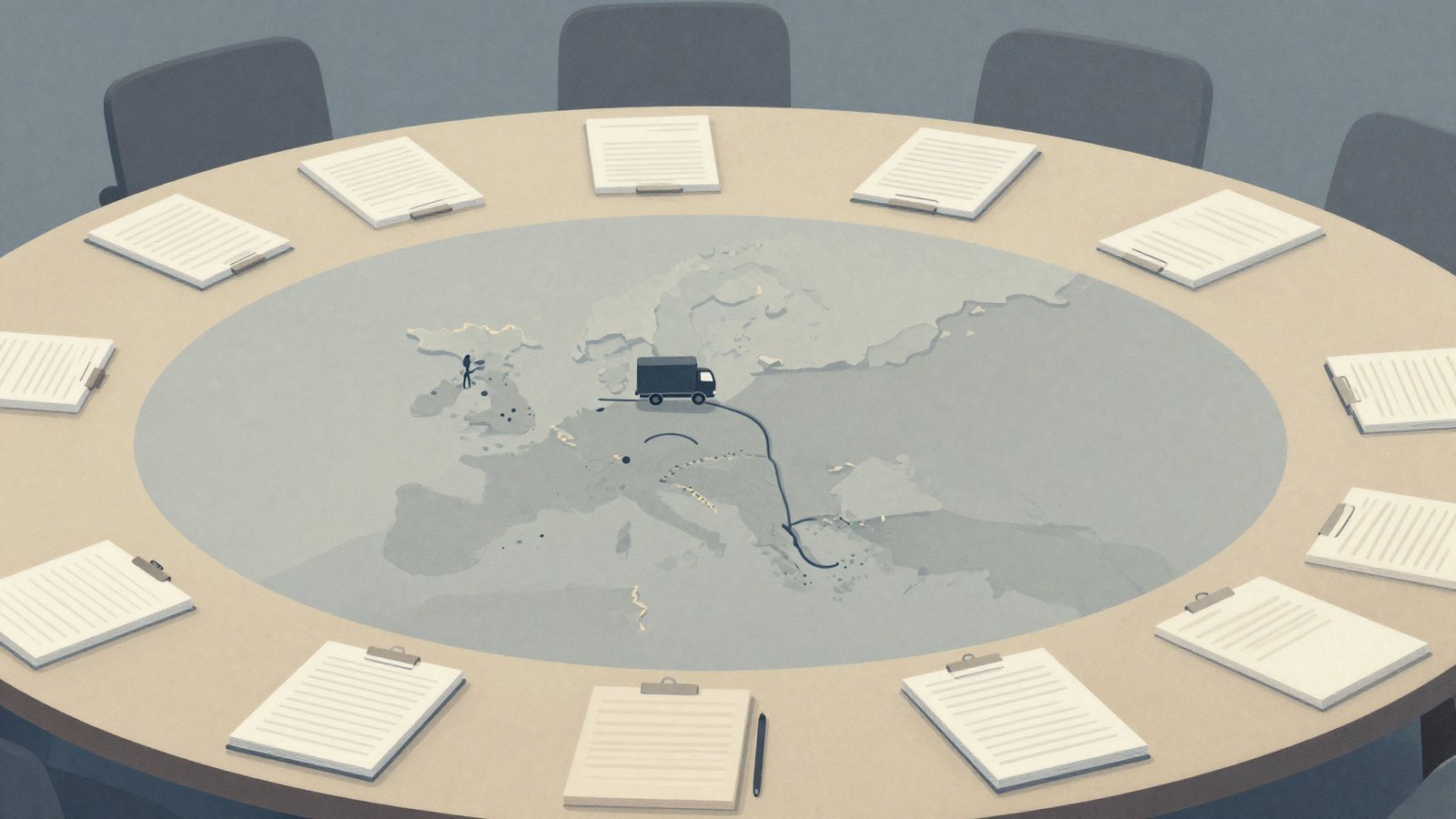
Israel's security cabinet has approved key legal measures for an International Stabilisation Force to operate in Gaza, Al Jazeera reported. The force is intended to monitor the ceasefire and oversee commitments under a US-brokered plan, including the disarmament of Hamas and a phased Israeli withdrawal.
According to Al Jazeera, the cabinet decided the force would function 'in full coordination with' the Israeli military and would operate in areas outside Israeli military control. Israel retains authority to approve which countries deploy personnel, the report said. A first tranche of about 200 personnel was described, drawn from what officials called friendly countries.
Nickolay Mladenov, director-general of the plan's Board of Peace, welcomed the decision, according to Al Jazeera. He said the approval represented 'a critical part of the agreed framework for stabilising Gaza, supporting demilitarisation' and enabling a Palestinian transitional administration. Prime Minister Benjamin Netanyahu was reported to be travelling to Washington the following day.
The framework
The stabilisation force stems from the 'Comprehensive Plan to End the Gaza Conflict,' endorsed through United Nations Security Council Resolution 2803 in November 2025, according to the Security Council Report. The resolution backed a Board of Peace as a transitional governance body and authorised the force to help implement the plan.
The Security Council Report noted that troop pledges have come from several countries, with phased deployment anticipated. That deployment, it said, is conditioned on progress in decommissioning Hamas weapons. A technocratic body described as a National Committee for the Administration of Gaza has also been established under the framework, Al Jazeera reported.
The Security Council Report listed early personnel pledges from countries including Albania, Indonesia, Kazakhstan, Kosovo and Morocco. Al Jazeera separately reported a planned first deployment of about 200 personnel from countries such as Uganda and Morocco. No firm timetable for the full force has been published, and its size and mandate remain subject to Israeli approval.
The disarmament impasse
The central obstacle remains Hamas disarmament. According to the Security Council Report, Hamas has rejected disarmament proposals because it considers Israel in breach of its ceasefire obligations, citing continued hostilities and restrictions on aid. CNN reported that Hamas has said it will dissolve its Gaza government, while stopping short of surrendering weapons.
Israel and its partners have described Hamas's refusal to disarm as the principal barrier to the plan's next phase. The Security Council Report cited the view that Hamas's continued armament undermines efforts to stabilise Gaza. Hamas maintains that it will not disarm while Israeli forces remain and aid access is limited.
What is disputed
The two sides disagree over who is blocking the plan. Israel and some backers say Hamas is the main impediment to aid delivery and stabilisation. Hamas and some humanitarian voices say Israeli operations and aid restrictions have prevented the ceasefire from holding. UN briefers have described a continuing humanitarian crisis despite the truce.
- Israel says Hamas must disarm before further withdrawal and full deployment of the force.
- Hamas says Israel is violating the ceasefire and restricting humanitarian aid.
- The Board of Peace frames the force as essential to demilitarisation and transition.
- Casualty totals come from Gaza's Health Ministry and are not independently verified.
Gaza's Health Ministry reported that roughly 1,200 Palestinians have been killed since the ceasefire took effect, Al Jazeera reported. The figure is provided by the Hamas-run ministry and cannot be independently verified. Israel has said its operations target armed fighters and that it seeks to limit civilian harm.
The humanitarian picture
United Nations officials have said the situation for civilians remains severe despite gains under the ceasefire. In a Security Council session, briefers warned that Gazans remain trapped in what they called a humanitarian emergency and demanded unhindered aid access, according to UN meeting summaries.
Aid groups have pressed for a steady flow of food, medical supplies and shelter materials. A situation report referenced by UN bodies covered the period from the ceasefire's start through mid-2026. Both Israel and Hamas have blamed each other for shortfalls in the volume of aid reaching civilians.
Israel has said it facilitates aid through designated crossings and blames Hamas for diversion. Hamas and some aid officials say Israeli restrictions and continued strikes have limited deliveries. UN briefers, in a Security Council session, urged all parties to allow unhindered access and to respect the terms of the peace plan, according to UN summaries.
Deployment depends on politics
The cabinet approval clears a legal hurdle, but the force's actual deployment depends on political progress. The Security Council Report indicated that troop contributions would arrive in phases tied to disarmament steps. Without movement on that question, the force's role is likely to remain limited.
Mediators including the United States, Egypt and Qatar continue to work on bridging the gap between Israeli and Hamas positions. Netanyahu's planned visit to Washington was expected to address the plan's next stages. For now, the ceasefire holds unevenly, and the parties remain divided over the sequence of withdrawal, disarmament and aid.
Sources
- Al Jazeera
- Security Council Report
- CNN
- UN Meetings Coverage
You may also like to read

Israeli Strikes Continue in Gaza Despite Momentum Behind the Peace Plan
Israeli strikes killed Palestinians over the weekend as a disarmament framework was debated, exposing the gap between diplomacy on paper and fighting on the ground.
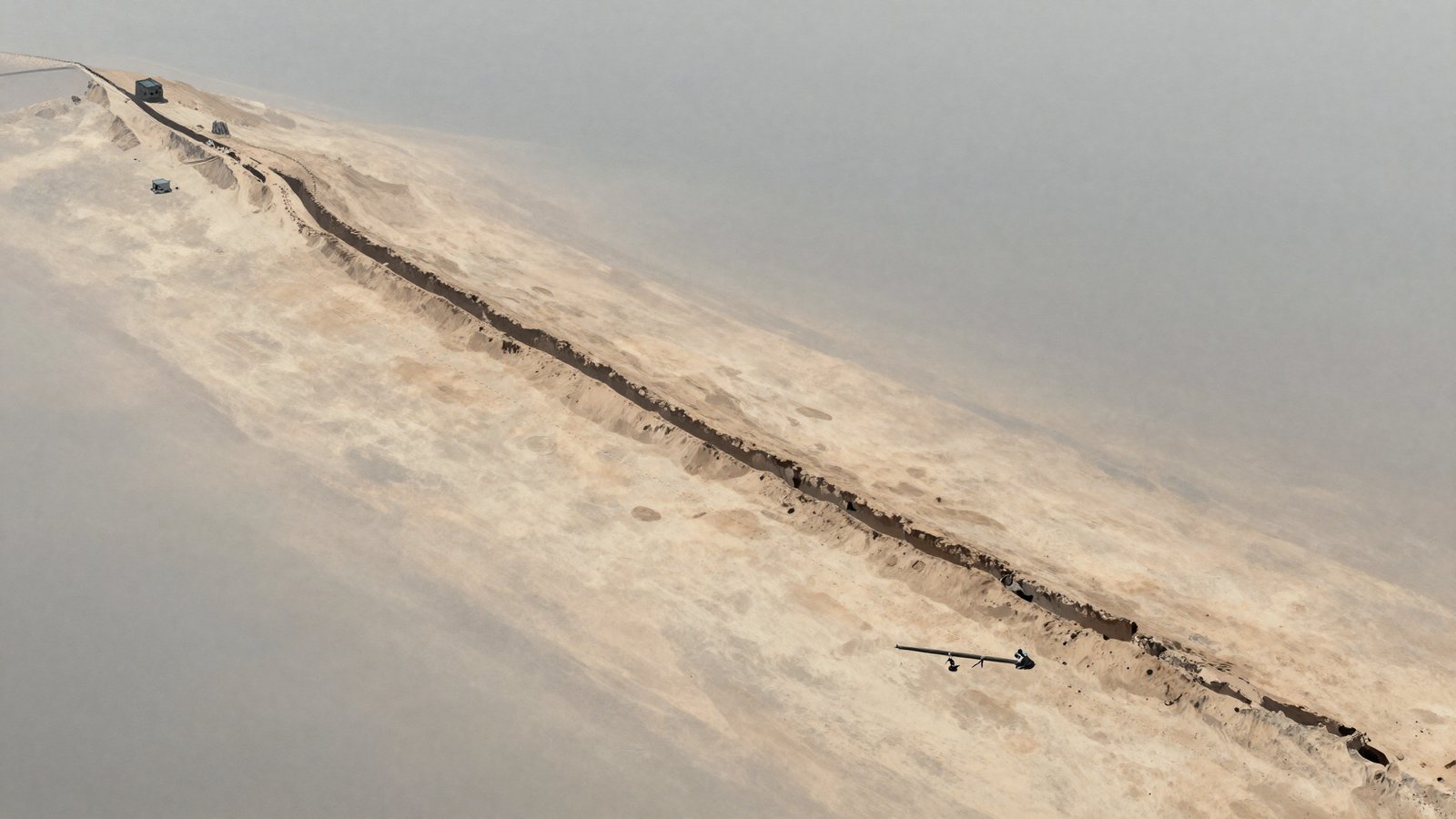
Satellite images show Israel building long earthen barrier inside Gaza
Imagery reviewed by news agencies shows a berm and trench cutting across Gaza. Israel cites security; Palestinians say it entrenches division.
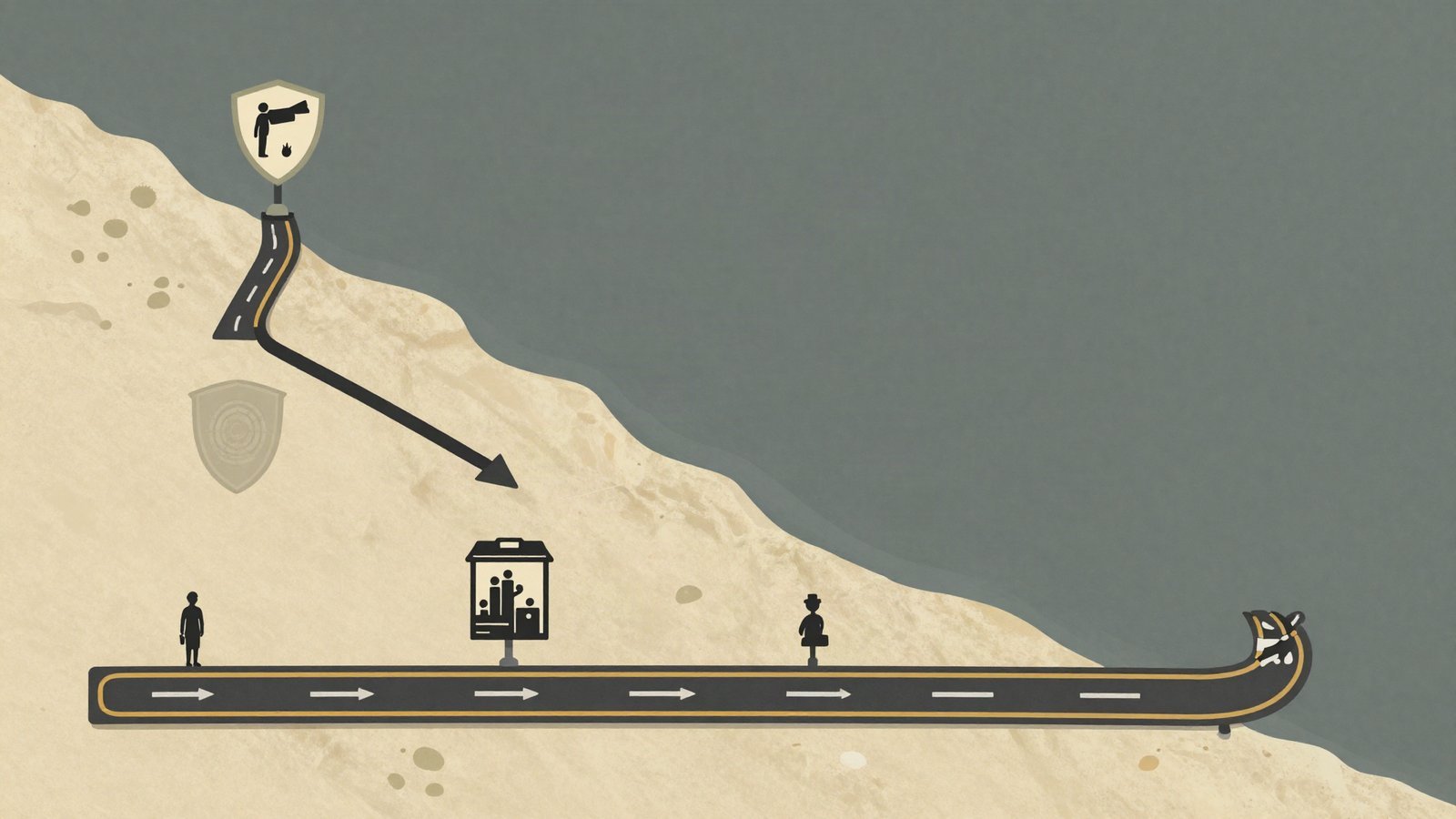
Hamas Disarmament Framework Sets Out a Phased Road Map for Withdrawal and New Gaza Governance
A published US-backed framework ties phased Hamas disarmament to Israeli withdrawal and an international force, but implementation and sequencing remain uncertain.

Israel Raises Serious Concerns Over Hamas Disarmament Verification and Withdrawal Sequencing
Israeli officials warned Hamas could rebuild if troops left before weapons and tunnels were dismantled, exposing the security dispute the framework has not settled.