Families Say Sailors Have Tried to Go Overboard as USS Abraham Lincoln's Deployment Stretches Past 250 Days
The carrier's roughly 5,000 sailors and Marines are in their ninth month at sea supporting operations against Iran, a modern record for consecutive days without a port call, and families describe a crew under severe strain.
Commentary & Analysis ·
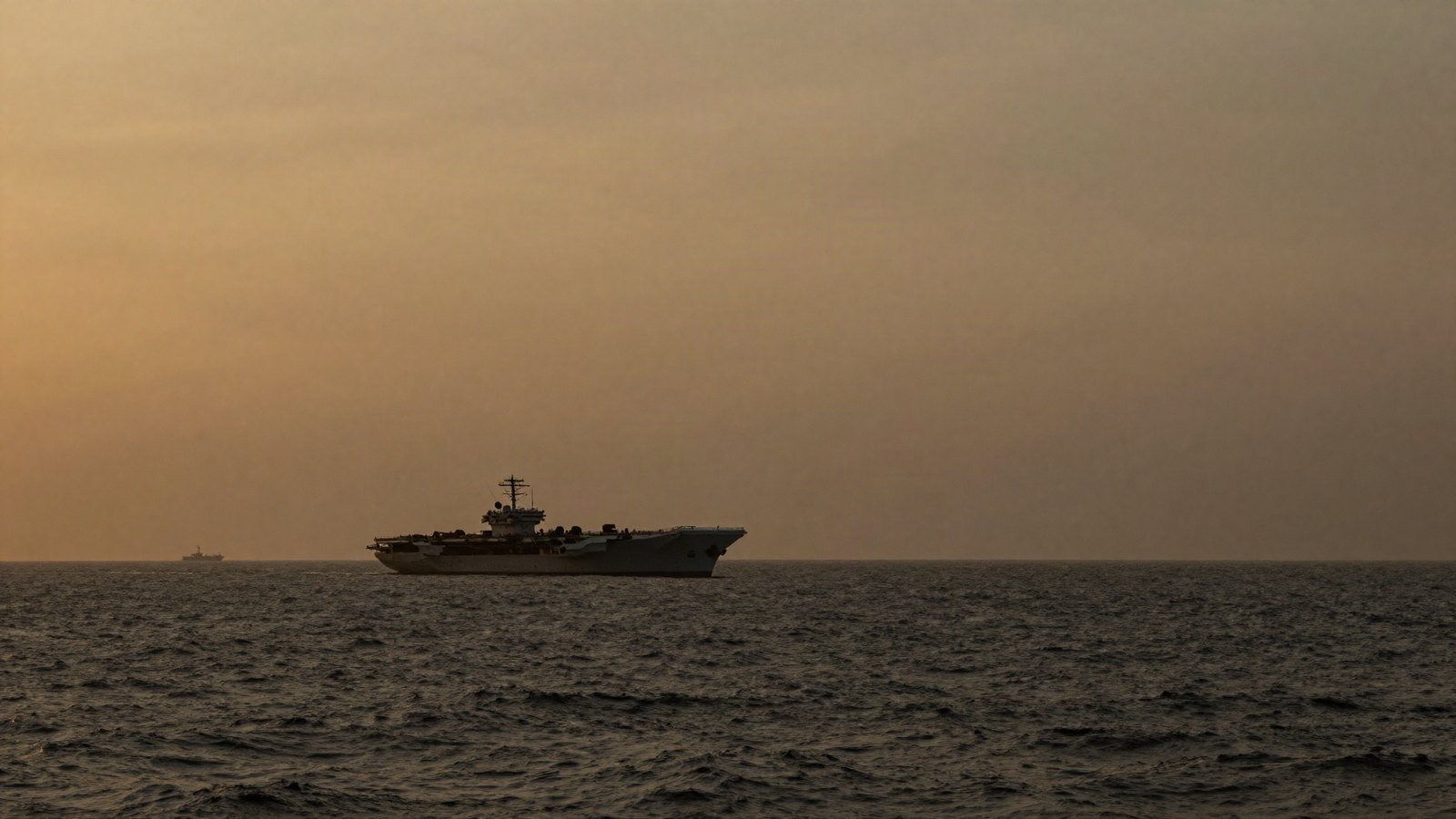
Verified key facts
- Multiple sailors aboard USS Abraham Lincoln have attempted to go overboard during the carrier's extended deployment, according to family accounts reported by Military Times on 11 August.
- The deployment began on 21 November and has stretched past eight months supporting US operations in the Middle East against Iran, with no publicly announced return date after an anticipated May homecoming passed.
- The crew of roughly 5,000 sailors and Marines has spent 250 consecutive days at sea without a port call, described in reporting as a modern record for a US aircraft carrier.
- Accounts include a sailor placed on medical hold after attempting to jump and another pulled back onto the deck by a shipmate on watch, per Military Times and Newsweek.
- The Navy has not provided a count of overboard attempts or self-harm incidents, saying the ship's leadership continuously assesses crew wellbeing.
What families are describing
The families of sailors aboard USS Abraham Lincoln have begun describing, on the record, a crew stretched to its limits. Military Times reported on Monday that multiple sailors have attempted to go overboard as the carrier's deployment extends into a ninth month. One sailor's wife said her husband attempted to jump and is now on medical hold with communication difficult; in another account, a sailor on watch spotted a shipmate preparing to go over the side, called out, reached them and pulled them back onto the deck by the arms.
The Navy has not confirmed a number of such incidents. In statements carried by the reporting, the service said the ship's leadership is constantly assessing the wellbeing of those aboard.
The longest stretch in modern carrier history
The Lincoln and its roughly 5,000 sailors and Marines left home on 21 November. The deployment, originally expected to end in May, has been extended without a publicly announced return date as the carrier supports US military operations in the Middle East against Iran. By this week the crew had logged 250 consecutive days at sea without a port call, a figure described in the reporting as a record for a US aircraft carrier in the modern era.
Port visits are not luxuries in naval practice; they are the pressure valve of a deployment cycle. Removing them for eight-plus months, while flight operations continue in a combat theatre, places the entire burden of recovery on the ship itself.
Why the deployment keeps extending
The extension is a consequence of arithmetic as much as strategy. US operations against Iran have demanded continuous carrier presence, and the fleet has a finite number of strike groups able to hold station. Relief requires another carrier ready to take the position, and public reporting has not identified when one will.
That leaves the Lincoln holding an open-ended commitment, with its crew absorbing the gap between the operational requirement and the fleet's capacity, a gap defence analysts have warned about through successive shipbuilding and maintenance backlogs.
The human cost, in the Navy's own terms
Even by the standards of naval deployments, the strain described is unusual, and the service's own history explains why the accounts are being taken seriously. The Navy has confronted clusters of suicides aboard carriers in recent years, including during extended maintenance periods, and has expanded shipboard mental-health resources in response.
A carrier at sea has embedded medical and psychological staff, but families quoted in the reporting describe waits for care and the practical difficulty of supporting a sailor in crisis from thousands of miles away. The distance between official assurance and family experience is, itself, part of the story now.
Questions the Navy has not answered
Two questions sit unanswered in the public record: how many sailors have attempted to harm themselves or go overboard during this deployment, and when the ship will come home. The Navy has declined to quantify the former and has not announced the latter.
Both answers exist. Their absence reflects operational security and institutional caution, but the longer the deployment runs, the harder that silence becomes to sustain against on-the-record accounts from families.
What 250 days without a port means
A carrier at sea is a functioning city of five thousand, but it is a city without exits. Working days routinely run twelve hours or longer across flight operations, maintenance and watch rotations; sleep happens in berthing compartments stacked beneath a flight deck that operates into the night; and the ordinary decompression of a port call, a meal ashore, a phone call home on reliable bandwidth, has not happened since the deployment began.
Navy planning has historically treated seven months as the sustainable outer edge of a carrier deployment precisely because human performance degrades measurably beyond it. This crew passed that line months ago and is still conducting combat operations.
The readiness debate this will feed
The Lincoln's predicament is the sharpest available illustration of an argument defence analysts have made for years: the fleet's carrier force is sized below the demands placed on it, and the gap is paid for in extended deployments, deferred maintenance and retention risk. Every month added to this cruise compounds all three.
The retention dimension deserves particular attention. Sailors on their first enlistment are living through this deployment as their formative experience of the Navy, and the service's own surveys have long linked deployment unpredictability to separation decisions. The bill for 250-plus days arrives years later, at re-enlistment.
An announced relief date
The indicators to follow are concrete: an announced relief or return date for the strike group, any congressional inquiry into deployment length and crew welfare, and whether the Navy discloses incident figures. Lawmakers on the armed services committees have historically engaged when family accounts reach this level of specificity.
Behind the policy questions is a simpler one the families keep asking: how much longer. For a crew past 250 days of continuous sea time in a combat theatre, every week of ambiguity compounds the strain the reporting has now made public.
In the US, service members and veterans in crisis can reach the 988 Suicide and Crisis Lifeline by dialling 988 and pressing 1.
Sources
- Military Times - Families say sailors have tried to go overboard
- Newsweek - USS Abraham Lincoln safety concerns mount
- The Daily Beast - Extended deployment crisis report
- Fox News - Sailor overboard in Arabian Sea
You may also like to read
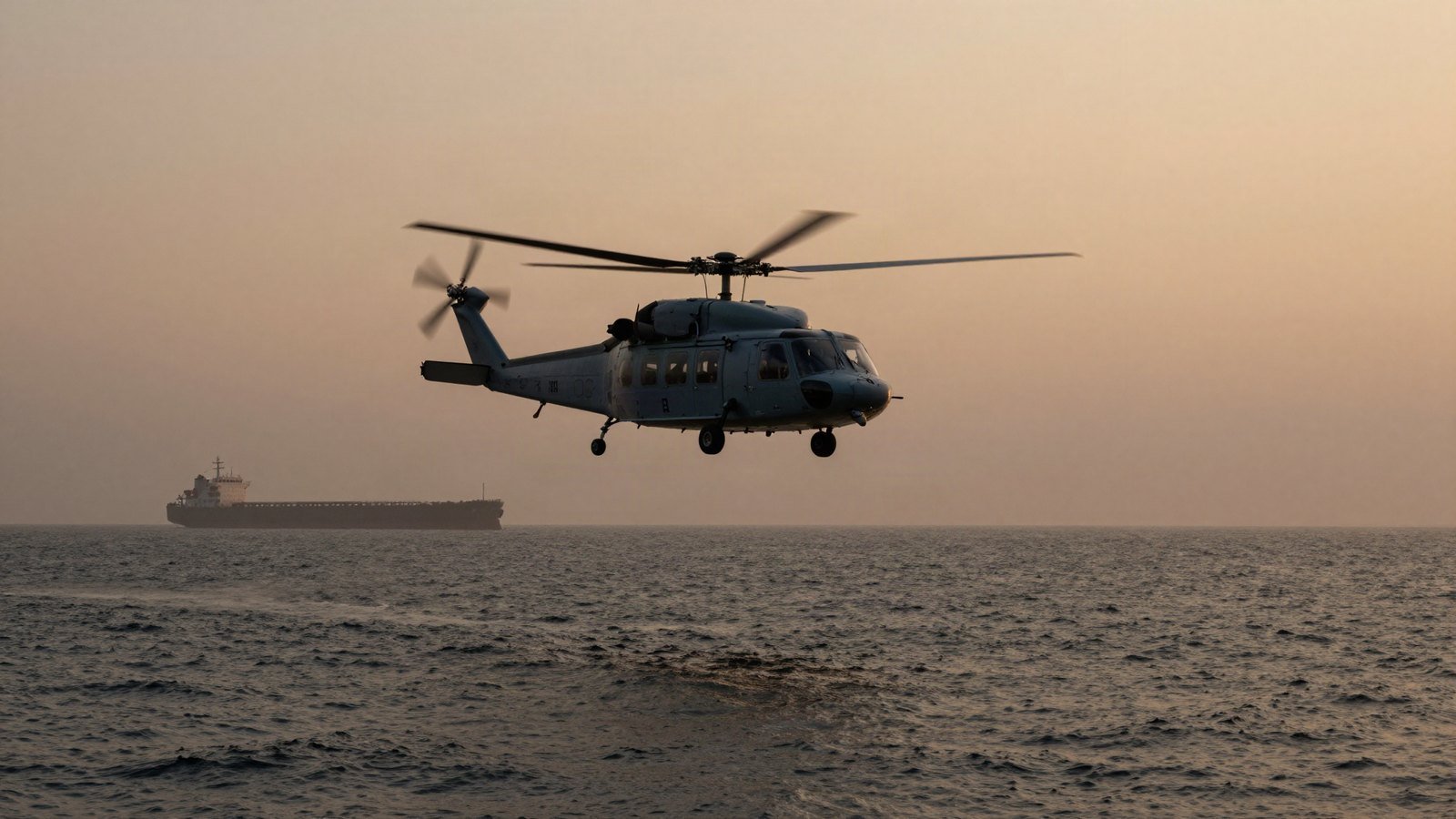
US Helicopter Disables Cargo Ship Accused of Running the Iran Blockade, as Threat Reports Shadow the President's NATO Trip
The US military said a Navy MH-60 fired Hellfire missiles to disable a Panama-flagged ship's steering after repeated warnings, one of several signs of how far the confrontation with Iran now reaches, from shipping lanes to presidential security.
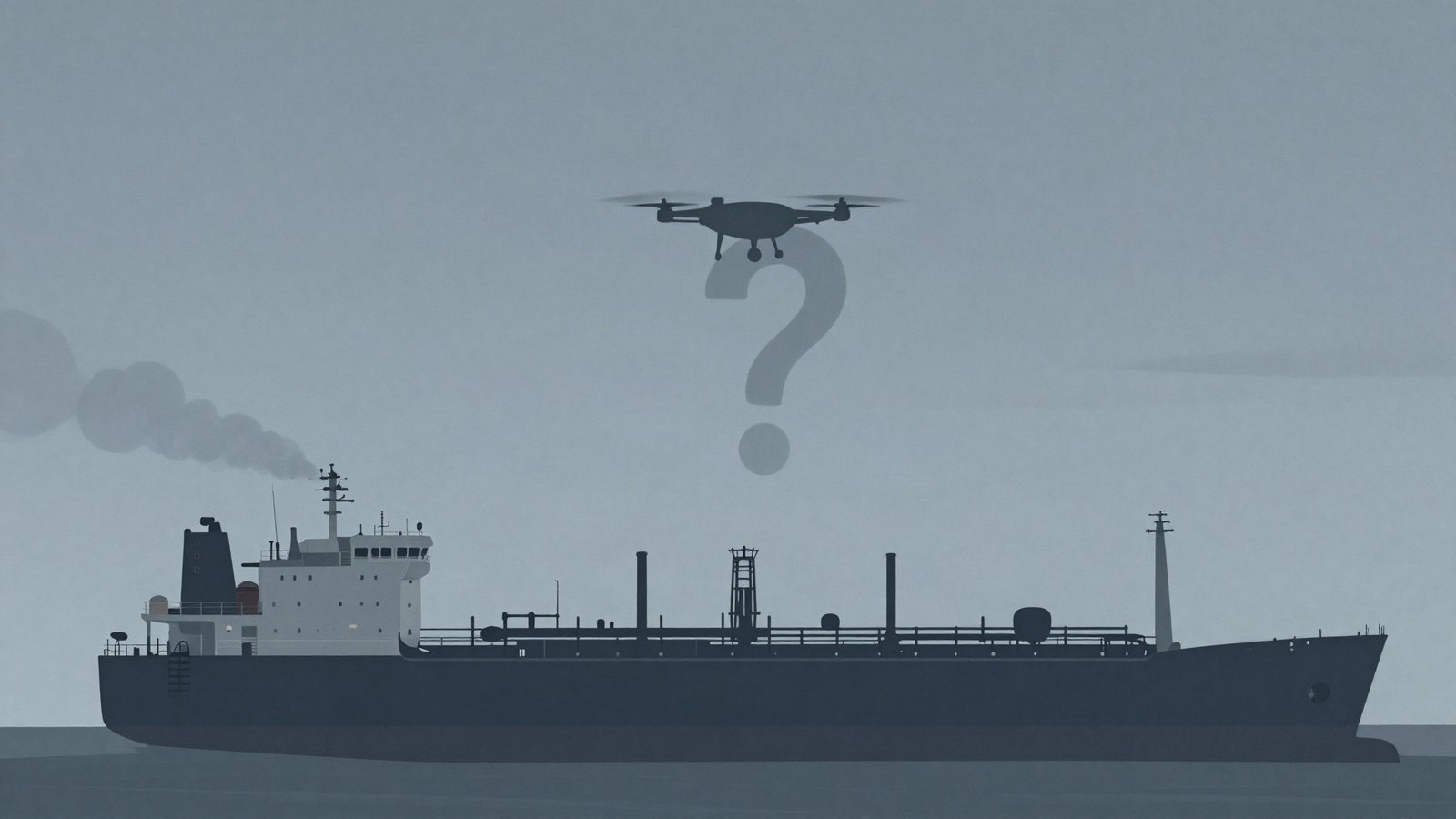
Drone Attack at Egypt's Damietta Port Shows the Iran War Reaching New Civilian Infrastructure
Drones struck two gas vessels at Egypt's Damietta port, with no party confirmed responsible, as Cairo condemned the attack and worked to prevent wider escalation.
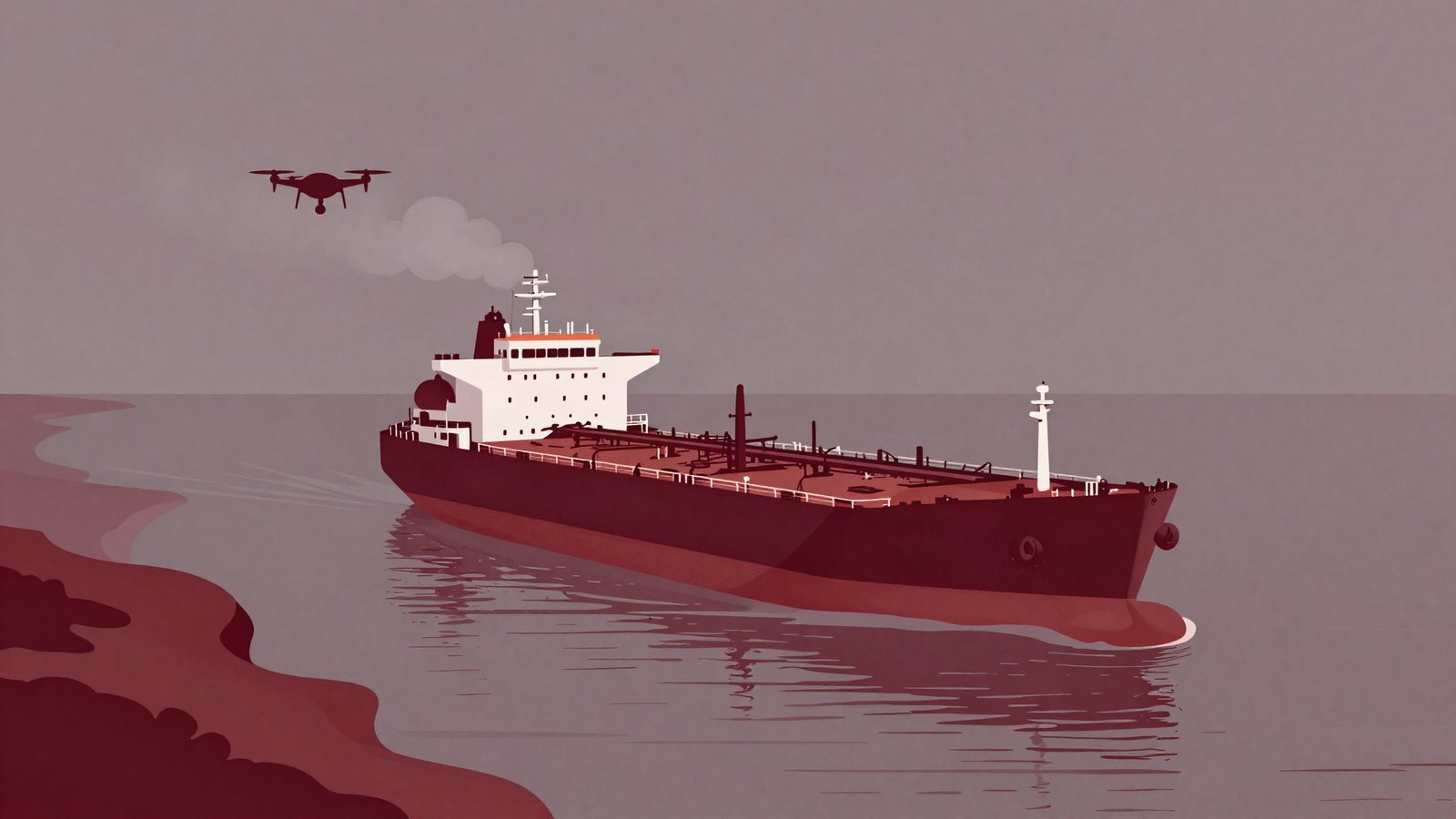
Houthis Attack Saudi Tankers and Threaten a Wider Red Sea Blockade
The Houthis claimed missile and drone attacks on two Saudi oil tankers and declared curbs on Saudi-linked shipping, raising the stakes on a vital Red Sea route.

Analysts Say Iran Is Setting the Tempo in a Prolonged War With the United States
Analysts describe Tehran using regional disruption and endurance, not a single decisive battle, to shape US choices, as mediators keep searching for an off-ramp.