Houthis Attack Saudi Tankers and Threaten a Wider Red Sea Blockade
The Houthis claimed missile and drone attacks on two Saudi oil tankers and declared curbs on Saudi-linked shipping, raising the stakes on a vital Red Sea route.
Commentary & Analysis ·
Verified key facts
- The Houthis claimed missile and drone attacks on two Saudi oil tankers, according to published reporting.
- They declared restrictions on Saudi-linked shipping in the Red Sea.
- At least one tanker caught fire while crews were reported safe.
- Houthi officials said the ships violated their blockade; Saudi officials treated the attacks as aggression linked to Iran.
- Analysts warn Saudi retaliation could reopen large-scale Yemen fighting and expand the Iran war.
New attacks on a vital route
The Red Sea has gained fresh importance as the war disrupts other routes. According to the reporting, the sea became an alternative oil corridor during the disruption at the Strait of Hormuz. That shift made Houthi attacks there economically significant.
The Houthis claimed missile and drone attacks on two Saudi oil tankers, the reporting says. They also declared restrictions on Saudi-linked shipping. The moves targeted a route that had become more important precisely because trouble elsewhere had pushed traffic toward it.
What was reported
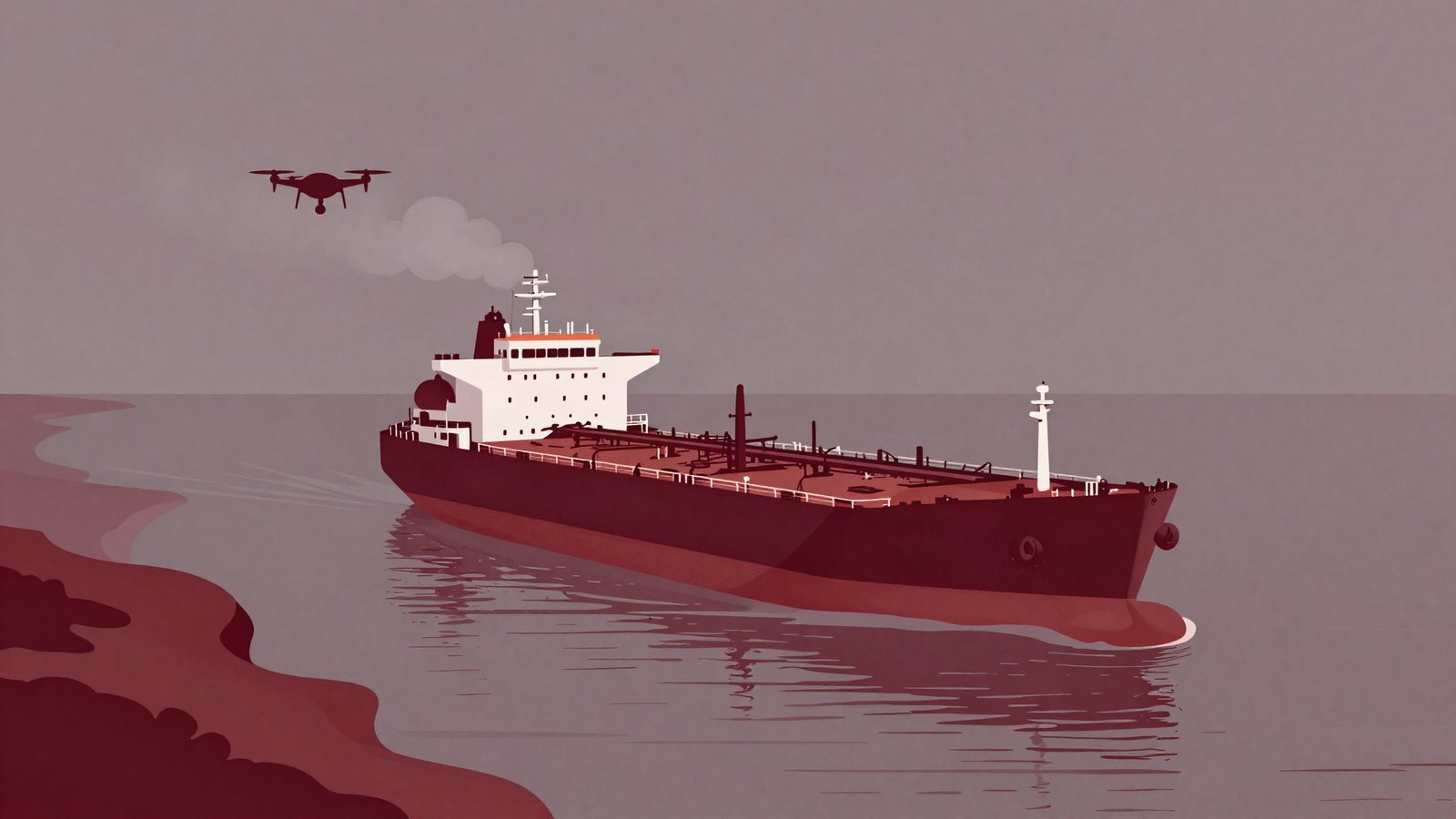
The attacks left visible damage. According to the reporting, at least one tanker caught fire, while crews were reported safe. The combination of missiles and drones reflected the range of capabilities the Houthis have used in maritime operations.
The main parties are the Houthis, Saudi Arabia, commercial shipping and Iran. The declaration of restrictions on Saudi-linked shipping signalled an intent to control passage, not merely to strike individual vessels. Reports of the fire and the crews' safety came from the parties and have not been independently verified in the material available here.
The Houthis have developed the ability to strike vessels at a distance using missiles and drones. That capability has made the Red Sea a difficult environment for commercial traffic when tensions rise. Declaring restrictions on shipping linked to a particular country goes a step further. It asserts a claim to regulate who may pass, a claim that others reject. The distinction between striking ships and controlling a waterway is central to how the episode is read.
Blockade or aggression
The two sides described the events in incompatible terms. Houthi officials said the ships had violated their blockade, presenting the attacks as enforcement of restrictions they had declared. In that framing, the vessels were legitimate targets.
Saudi officials treated the attacks as aggression linked to Iran. They cast the strikes not as enforcement but as hostile acts tied to a broader adversary. These competing accounts, each from a party to the conflict, placed the incident within the larger regional confrontation.
The link that Saudi officials drew to Iran is significant. It situates the Red Sea attacks within the wider war rather than treating them as a purely Yemeni matter, raising the potential for escalation.
Danger for those aboard
The attacks posed direct risks to seafarers. According to contemporaneous reporting, crews face injury, fire and the risk of abandonment. A fire aboard an oil tanker is especially hazardous, threatening both the crew and the vessel.
That crews were reported safe in this instance does not remove the underlying danger. Seafarers on the Red Sea route now operate under the threat of attack. Their exposure underscores the human cost of turning a shipping lane into a theatre of conflict.
Crews on tankers carrying oil face particular hazards when a vessel is struck. Fire can spread quickly, and evacuation at sea is difficult and dangerous. Even when no one is hurt, an attack leaves lasting effects on those aboard. The recurring threat also weighs on decisions about which routes to sail and under what conditions, adding strain to an already demanding profession.
Costs that spread outward
The economic consequences reach beyond the vessels struck. According to available reporting, rerouting raises food, fuel and insurance costs. When ships avoid a dangerous route, they take longer paths that add expense.
Higher insurance premiums follow as underwriters account for the risk. Those costs feed into the prices of fuel and food. Because the Red Sea had become an alternative to the disrupted Strait of Hormuz, attacks there compounded pressures already building in global markets.
The timing gave the attacks added weight. With traffic already shifting toward the Red Sea to avoid trouble at Hormuz, threats to this route narrowed the options available to shippers. When both major corridors carry risk, vessels face harder choices and longer alternatives. That squeeze raises costs across the supply chain. It is one reason the strikes drew attention well beyond the immediate parties.
A threat to Yemen's fragile peace
The attacks also carry implications inside Yemen. According to published reporting, they complicate UN efforts to revive the country's internal peace process. Renewed maritime conflict risks undermining diplomacy aimed at ending years of war.
Analystsing warned of a broader danger. Saudi retaliation, they said, could reopen large-scale fighting in Yemen and expand the Iran war. A forceful response might restart a conflict that had partly quietened, while deepening the regional confrontation.
Yemen has endured years of war, and periods of relative calm have been hard to achieve. A return to intense fighting would carry severe humanitarian costs for a population already strained. The link Saudi officials drew to Iran raises the stakes further, tying a local conflict to the wider regional war. That connection means a Saudi response could reverberate well beyond Yemen's borders, drawing in actors across the region.
Warnings from maritime authorities
Several signals will indicate the direction of events. Warnings from the United Kingdom Maritime Trade Operations, known as UKMTO, will guide commercial shipping and reveal the assessed level of threat. Any Saudi military action will show how Riyadh chooses to respond.
Vessel movements will demonstrate whether shipping continues to use the route or avoids it. Further Houthi claims will indicate whether the group presses its declared restrictions. Together, these threads will show whether the Red Sea attacks remain contained or widen the war.
Sources
- Al Jazeera - Houthis claim tanker attacks
- The National - Saudi tanker attacked
- Washington Post - oil prices leap
You may also like to read
Houthis strike Saudi tankers and declare Red Sea blockade as UN urges talks
Yemen's Houthis said they hit two Saudi tankers over a declared blockade. The UN envoy voiced alarm as Brent crude rose above $100.

Yemen Reignites: Houthi Missiles Hit at Saudi Arabia as Second Strait Comes Under Threat
Houthi missiles aimed at Saudi Arabia's Abha airport ended four years of calm, and the group now warns it could close Bab el-Mandeb as the Iran war spreads.
Yemen's Internal War Remains Unresolved as Regional Actors Re-Militarise the Coast
As attention turns to the Red Sea, Yemen's fractured territorial map, stalled political process and deepening humanitarian emergency remain far from resolution.
UN Warns Renewed Red Sea Attacks Could Pull Yemen Back Into Full Regional War
The Secretary-General's spokesman urged de-escalation and an end to attacks on shipping, warning strikes could undo years of fragile progress inside Yemen.