Houthis strike Saudi tankers and declare Red Sea blockade as UN urges talks
Yemen's Houthis said they hit two Saudi tankers over a declared blockade. The UN envoy voiced alarm as Brent crude rose above $100.
Commentary & Analysis ·
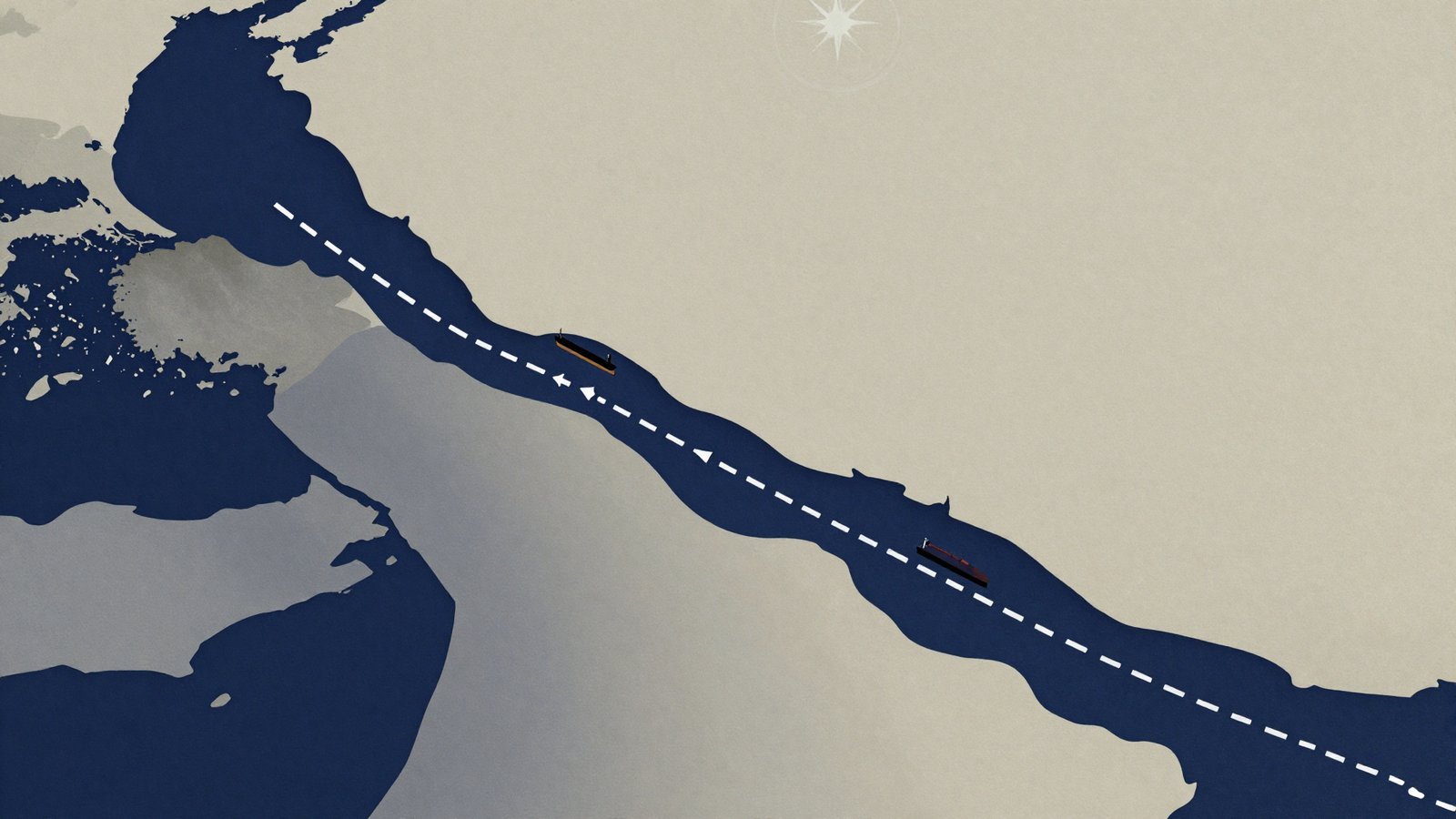
Verified key facts
- Houthi spokesman Yahya Saree said forces struck two Saudi tankers, the Encelia and the Layla, for violating a declared blockade, Al Jazeera reported.
- The Houthis announced a blockade of Saudi-linked shipping on July 20 after a July 13 strike on Sanaa airport, according to Al Jazeera.
- UN envoy Hans Grundberg said he was 'alarmed' by the attacks and warned they risk drawing Yemen deeper into confrontation.
- Al Jazeera reported Brent crude rose above $100 a barrel and that at least five other tankers changed course to avoid the Bab al-Mandeb Strait.
What happened
Yemen's Houthis said they attacked two Saudi oil tankers in the Red Sea, Al Jazeera reported. The vessels were named as the Encelia and the Layla. The group said the ships were struck with missiles and drones for what it called a violation of a blockade it had declared on Saudi-linked shipping.
Houthi military spokesman Yahya Saree said the vessels were hit 'for their violation of the blockade decision issued by the armed forces,' according to Al Jazeera. The strikes marked the group's first reported attack on commercial ships in recent months, the report said. At least five other tankers changed course to avoid the Bab al-Mandeb Strait.
Al Jazeera reported that the Houthis announced the blockade on July 20. The group linked its decision to a July 13 strike on the runway of Sanaa airport, which it blamed on Saudi Arabia as a backer of Yemen's internationally recognised government. Saudi Arabia has previously said its operations target Houthi military capabilities.
The Houthi position
The Houthis have framed the attacks as retaliation and enforcement of their declared blockade. Saree said the strikes were a direct response to the Sanaa airport bombing. The group has cast its campaign as part of a wider regional confrontation, and Bloomberg reported it described the move as opening a new front.
The Houthis carried out a series of attacks on shipping between 2023 and 2025 near the Bab al-Mandeb Strait, which links the southern Red Sea to the Gulf of Aden. The latest strikes represent a resumption of that campaign after a pause, according to Al Jazeera and Bloomberg.
The Saudi and government position
Saudi Arabia has treated Houthi attacks on shipping and on Saudi-linked assets as a security threat. Search summaries noted that Saudi Arabia launched strikes against Houthi positions after attacks on a Saudi vessel in the Red Sea. Riyadh backs Yemen's internationally recognised government against the Houthis, who control much of the north.
The internationally recognised authorities and their partners say the Houthis are endangering a vital trade route and civilian crews. They have called the blockade unlawful. The Houthis reject that characterisation and say they are responding to attacks on Yemeni territory.
What is disputed
The parties disagree over responsibility for the escalation. The Houthis say the Sanaa airport strike triggered their blockade. Saudi Arabia has framed its own operations as defensive responses to attacks on its vessels. Independent confirmation of specific strikes and damage in the area is limited.
- The Houthis say the attacks enforce a blockade and answer the Sanaa airport strike.
- Saudi Arabia says its operations respond to attacks on its shipping.
- The UN envoy has called for de-escalation and negotiations.
- Detailed damage and casualty claims could not be independently verified.
Impact on shipping and oil
The attacks have unsettled energy markets and a key trade artery. Al Jazeera reported that Brent crude pushed above $100 a barrel. Bloomberg reported that the renewed strikes helped drive oil to that level for the first time in months. Several tankers rerouted to avoid the strait, adding cost and delay.
The Bab al-Mandeb Strait is a chokepoint for vessels moving between Europe, the Gulf and Asia. Disruption there raises shipping insurance and freight rates and can affect global supply chains. Naval groups had earlier warned that the Houthis appeared ready to resume attacks, according to Bloomberg and CNBC.
CNBC reported that the Houthis deployed missiles and drones in the southern Red Sea and that maritime security firms advised extra caution near the strait. The renewed threat comes alongside the wider US-Iran confrontation, which analysts cited by Bloomberg said had already unsettled energy markets and raised the risk of further disruption to Gulf shipping.
Humanitarian and diplomatic context
United Nations envoy for Yemen Hans Grundberg said he was 'alarmed' by the resumption of attacks, Al Jazeera reported. He warned that 'escalatory actions risk putting Yemen on a path toward further confrontation, drawing the country deeper into an already volatile regional environment,' and called for negotiations.
Grundberg linked the security situation to Yemen's humanitarian needs. Al Jazeera reported that about 22 million Yemenis need aid and 18.3 million face acute food insecurity. Aid agencies have warned that renewed conflict could worsen conditions for civilians already dependent on assistance.
Whether talks resume
The UN has urged the parties to return to talks addressing Yemen's political and economic challenges. Whether the blockade holds, or draws further Saudi and international responses, is unclear. The wider Gulf tension involving the United States and Iran adds to the risk of escalation across the region.
For shipping companies, the immediate question is whether to keep transiting the southern Red Sea or take longer routes around southern Africa. For Yemen, the resumption of hostilities threatens fragile diplomatic efforts and a humanitarian situation that UN officials describe as among the world's most severe.
Grundberg has urged the parties to avoid steps that could widen the war. He said a return to talks offered the only durable path to stability, according to Al Jazeera. Whether the Houthis maintain the blockade, and how Saudi Arabia and its partners respond, will shape the coming days in the Red Sea and across the wider region.
Sources
- Al Jazeera
- Bloomberg
- CNBC
You may also like to read
Houthis Attack Saudi Tankers and Threaten a Wider Red Sea Blockade
The Houthis claimed missile and drone attacks on two Saudi oil tankers and declared curbs on Saudi-linked shipping, raising the stakes on a vital Red Sea route.

Yemen's Internal War Remains Unresolved as Regional Actors Re-Militarise the Coast
As attention turns to the Red Sea, Yemen's fractured territorial map, stalled political process and deepening humanitarian emergency remain far from resolution.

Yemen Reignites: Houthi Missiles Hit at Saudi Arabia as Second Strait Comes Under Threat
Houthi missiles aimed at Saudi Arabia's Abha airport ended four years of calm, and the group now warns it could close Bab el-Mandeb as the Iran war spreads.
UN Warns Renewed Red Sea Attacks Could Pull Yemen Back Into Full Regional War
The Secretary-General's spokesman urged de-escalation and an end to attacks on shipping, warning strikes could undo years of fragile progress inside Yemen.