Strait of Hormuz Disruption Drives Oil Risk and a Global Naval Response
Iranian actions and threats sharply cut shipping through the world's key oil chokepoint, as the US and partners escorted vessels and sought guaranteed passage.
Commentary & Analysis ·
Verified key facts
- Iranian actions and threats sharply reduced shipping through Hormuz, according to documented accountsing.
- The US and partners sought guaranteed navigation and escorted vessels through the strait.
- Iran said it was defending sovereignty; the US demanded free passage and rejected Iranian control or fees.
- Higher freight and insurance costs affect fuel and food prices globally.
- Oman and other mediators discussed possible arrangements, but no durable agreement was reached.
Pressure at the world's key oil gateway
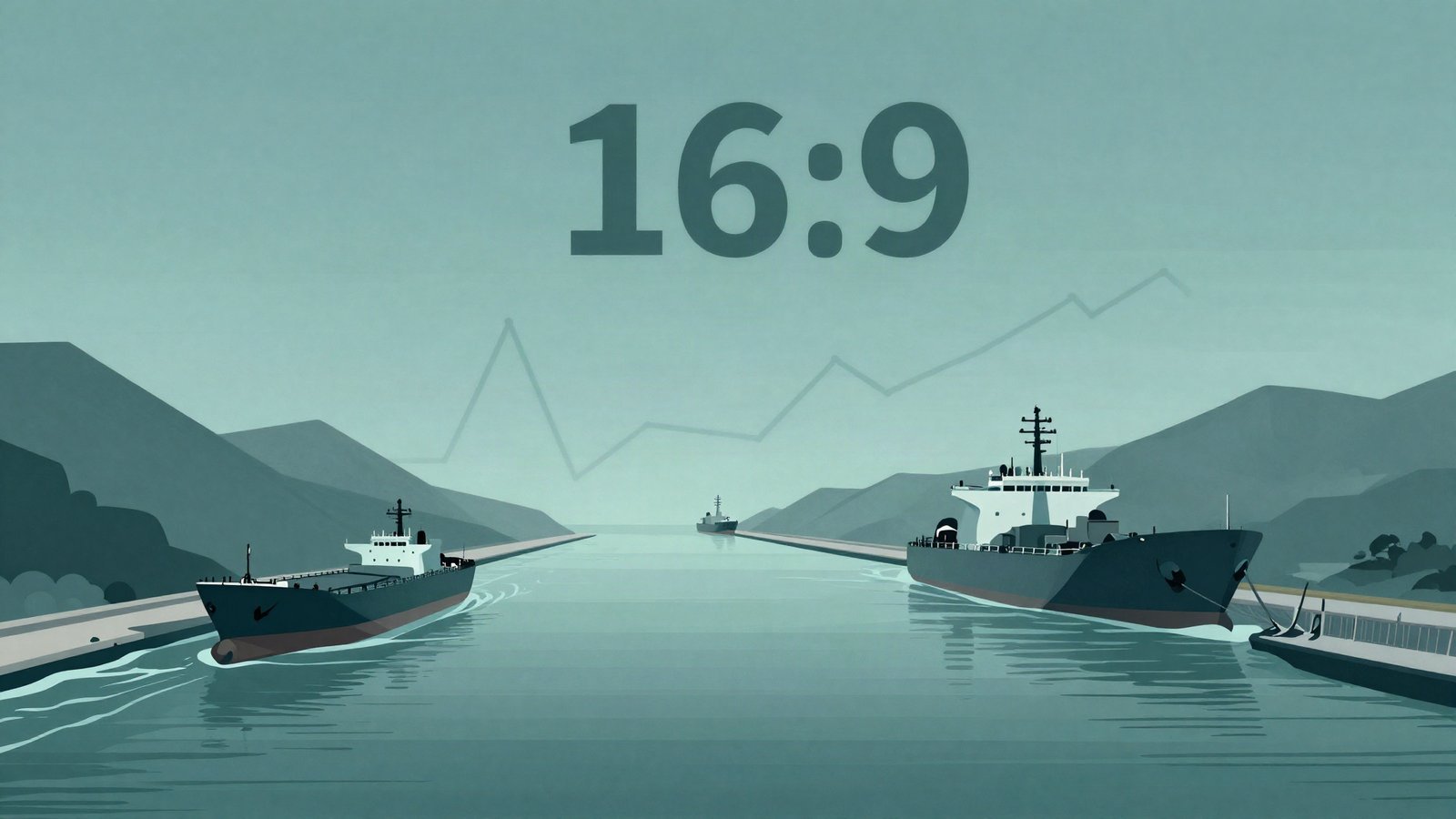
The Strait of Hormuz has become a focal point of the wider conflict. According to available reporting, attacks, threats and proposed control arrangements at the world's most important oil chokepoint affected markets and military planning. The narrow waterway carries a large share of seaborne oil, giving events there outsized significance.
Iranian actions and threats sharply reduced shipping through Hormuz, documented accountsing says. In response, the United States and its partners sought guaranteed navigation. The result was a contest over passage through waters on which much of the global economy depends.
Maritime pressure and naval escorts
The methods on each side reflected their positions. According to available reporting, Iran used maritime pressure and attacks to raise costs for shipping. Allied navies, in turn, escorted vessels and discussed security mechanisms to keep traffic moving.
Escorting commercial ships is a demanding task that ties up naval resources and raises the risk of direct encounters. The actors at the centre of it are Iran, the United States, Gulf states, commercial shipping and Oman. Each has a stake in whether the strait remains open and on what terms.
The Strait of Hormuz is narrow at its tightest point, and vessels must pass close to Iranian territory as they transit. That geography gives Tehran a degree of leverage over traffic that few other actors can match. It also makes the waterway difficult to defend, since ships have little room to manoeuvre. The physical setting is therefore central to understanding why the strait carries such strategic weight.
Sovereignty against free passage
The parties justified their actions in opposing terms. Iran said it was defending its sovereignty and resisting attack. In that account, its measures in and around the strait were legitimate responses to pressure directed against it.
The United States demanded free passage and rejected Iranian control or the imposition of fees. Washington's position was that the strait must remain open to international shipping without conditions set by Tehran. These competing claims, each from a party to the conflict, framed the dispute as one of both principle and power.
The disagreement is not easily resolved. It touches questions of navigational rights, national sovereignty and the balance of force in a strategically vital waterway.
The human cost at sea
The disruption carries direct dangers for those who work at sea. According to the reporting, seafarers face physical danger and long diversions. Crews aboard commercial vessels risk being caught in attacks or forced onto lengthy alternative routes.
Diversions add days to voyages, increasing time away from home and raising fuel use. For seafarers, the strait's disruption turns a routine passage into a hazardous one. Their exposure is a reminder that maritime conflict has human as well as economic dimensions.
Crews on affected routes often have little choice but to continue working despite the danger. Their employers weigh the risks against commercial pressures, and decisions taken far away shape the conditions they face at sea. When a chokepoint becomes contested, the burden falls heavily on these workers. Their situation underlines how the strategic contest over the strait translates into real risk for individuals aboard.
Costs that reach the whole world
The economic effects extend far beyond the region. According to contemporaneous reporting, higher freight and insurance costs affect fuel and food prices globally. When passage through Hormuz becomes riskier, the cost of moving goods rises.
Insurance premiums climb as underwriters price in the danger. Freight rates follow, and those costs feed into the price of fuel and food. Because the strait carries so much of the world's oil, disruption there can ripple into economies with no direct connection to the conflict.
Energy markets tend to react quickly to any threat to a chokepoint of this importance. Even the possibility of a serious disruption can move prices, as buyers seek to secure supplies. That sensitivity means the strait's troubles are felt far beyond the region almost immediately. Households and businesses in distant countries can encounter higher costs long before any physical shortage appears.
Mediation without a settlement
Diplomacy has continued alongside the confrontation. According to the reporting, Oman and other mediators discussed possible arrangements for the strait. Yet no durable agreement was reached, leaving the underlying dispute unresolved.
Oman has a history of quiet diplomacy in the region and channels to the parties. The absence of a lasting deal, however, means the risks persist. Mediation kept the possibility of a settlement alive without delivering one.
Any workable arrangement would need to reconcile deeply opposed positions on control and passage. Iran has framed its actions as defence of sovereignty, while the United States insists on unconditional free navigation. Bridging that gap is a formidable task. It would likely require guarantees that satisfy both sides' core concerns, something no mediator has yet been able to secure. The difficulty of the diplomacy matches the importance of the waterway.
The threat of catastrophe
Independent analystsing warned of a worst case. A tanker strike, a mine or a naval collision, they said, could cause mass casualties and environmental disaster. The strait's crowded, narrow waters heighten these dangers.
Several indicators will show how the situation evolves. Vessel traffic through the strait will reveal how far shipping has been deterred. Insurance rates will signal how the market prices the risk. Naval deployments and mediation proposals will indicate whether the parties move toward confrontation or toward an arrangement that keeps the waterway open.
Sources
- Financial Times - Iran sets tempo
- Guardian - Gaza and Iran live coverage
You may also like to read
US strikes on Iran continue as interim truce collapses over Hormuz dispute
US bombing has entered a third week after a June memorandum broke down. Washington and Tehran blame each other as the Strait of Hormuz stays contested.
Analysts Say Iran Is Setting the Tempo in a Prolonged War With the United States
Analysts describe Tehran using regional disruption and endurance, not a single decisive battle, to shape US choices, as mediators keep searching for an off-ramp.
Strait of Hormuz Put on 'Severe' Alert as Tanker Attacks Send Insurance Costs Soaring
The US Navy-led maritime centre raised Hormuz to its highest alert after Iran struck three tankers, with war-risk cover now near 5% of a ship's value.
Houthis Attack Saudi Tankers and Threaten a Wider Red Sea Blockade
The Houthis claimed missile and drone attacks on two Saudi oil tankers and declared curbs on Saudi-linked shipping, raising the stakes on a vital Red Sea route.