Ukraine Strikes Russian Ships in Novorossiysk as Kyiv Details Its Oleksandrivka Counteroffensive
Drone attacks hit Russia's main Black Sea port and targets across occupied Crimea, as Ukrainian officials published results from a seven-month counteroffensive and Moscow answered with missiles and 138 strike drones.
Commentary & Analysis ·
Verified key facts
- Ukraine struck four Russian ships in Novorossiysk, with drone attacks reported overnight at the Black Sea port and explosions heard near Sevastopol and the Crimean Bridge, per reports collated by Global Security and RBC-Ukraine on 12 August.
- Ukrainian officials announced results of the Oleksandrivka-direction counteroffensive conducted between January and August 2026, which the Institute for the Study of War said showed limited reintroduction of mechanised manoeuvre.
- Ukraine's General Staff reported 185 combat engagements across the front during the day.
- Russian forces attacked with an Iskander-M ballistic missile, Kh-31P and Kh-35 missiles and 138 strike drones, hitting targets across at least ten regions including Kyiv, Kharkiv and Odesa.
- The strikes continue Ukraine's campaign against Russian naval and port infrastructure that has reshaped the Black Sea balance since 2024.
A night of drones on the Black Sea
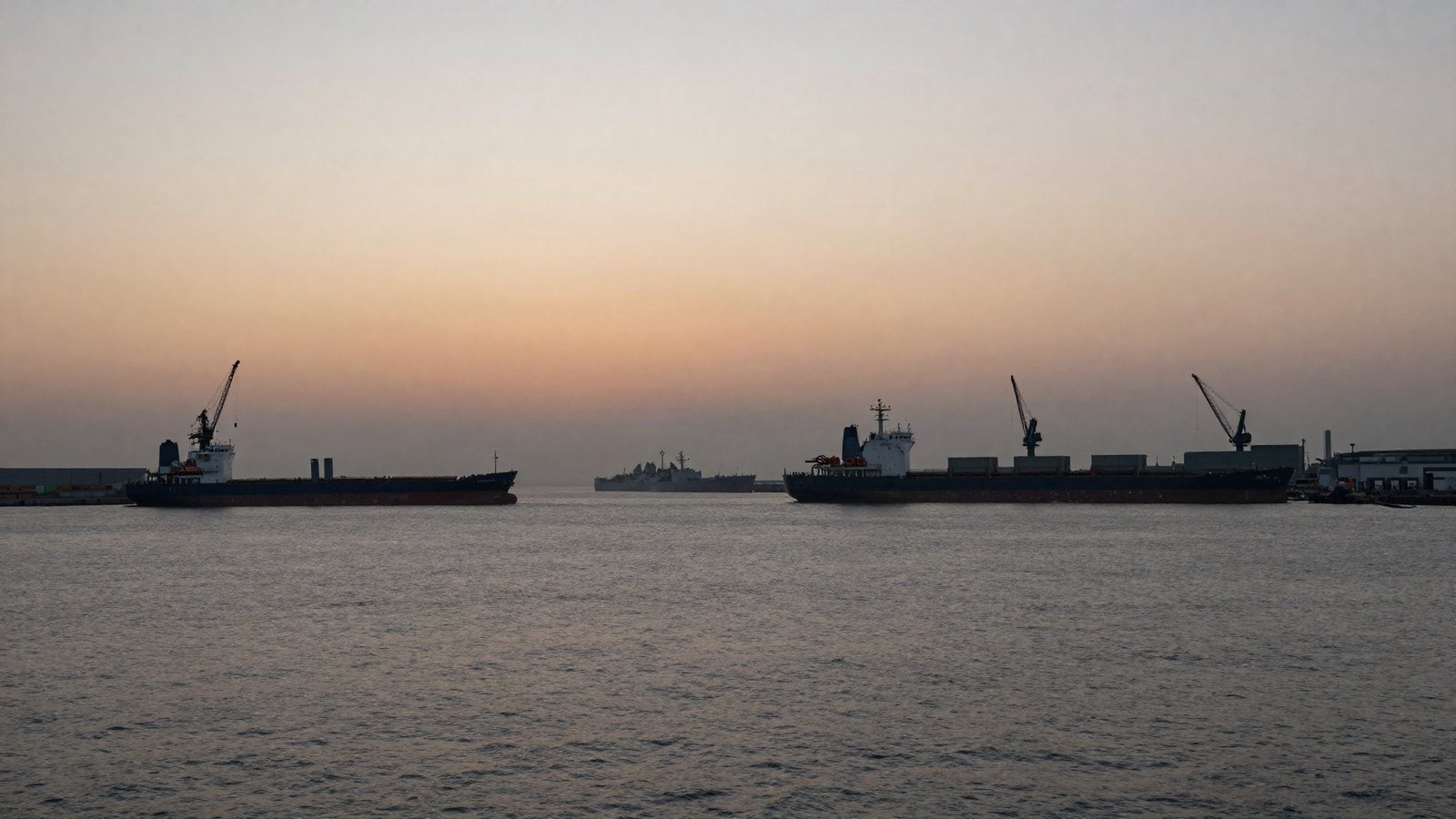
Russia's most important commercial port spent another night under attack. Ukrainian drones struck Novorossiysk overnight into Wednesday, with four Russian ships reported hit, while explosions were heard near Sevastopol and the Crimean Bridge, according to accounts collected by RBC-Ukraine and Global Security's daily war log.
Novorossiysk matters because everything Russia moved out of Sevastopol after earlier Ukrainian strikes now shelters there, alongside the oil terminals that handle a significant share of Russian and Kazakh exports. Hitting ships in its anchorage is a statement that no Black Sea harbour is out of range.
The Oleksandrivka accounting
The same day, Ukrainian officials did something armies rarely do mid-war: they published a scorecard. The results of the Oleksandrivka-direction counteroffensive, run from January to August 2026, were announced publicly, and the Institute for the Study of War assessed that the operation demonstrated Ukraine's ability to make relatively significant tactical advances and to reintroduce limited mechanised manoeuvre on localised parts of the front.
That language is carefully calibrated. It describes neither breakthrough nor stalemate, but a proof of concept: that with the right preparation, Ukrainian units can still move armour and take ground in a war that has been dominated by drones and attrition.
Moscow's reply
Russia answered in the currency it has used all year. Ukrainian air defences tracked an Iskander-M ballistic missile, a Kh-31P anti-radar missile, Kh-35 cruise missiles and 138 strike drones overnight, with impacts and debris reported across the Sumy, Kharkiv, Zaporizhzhia, Dnipropetrovsk, Kherson, Chernihiv, Kyiv, Odesa, Poltava and Mykolaiv regions, per the Ukrainian General Staff figures carried by Southfront's daily mapping and Ukrinform.
The 185 combat engagements recorded along the front in a single day underline what the daily exchange of drones can obscure: the ground war remains intense, wide and unresolved.
The naval war's logic
Ukraine's campaign against Russian shipping has been the war's most asymmetric success. A country with almost no navy has, with drones and missiles, forced the Black Sea Fleet from its home port, kept grain corridors open and made oil-export infrastructure a recurring target. Wildberries warehouses and refineries deep inside Russia have burned; now the anchorage at Novorossiysk joins the ledger again.
Each strike carries an economic argument: that Russia's war budget, fed by seaborne oil exports, can be taxed at its ports.
What the counteroffensive results signal
Publishing a seven-month operational review in the war's third summer serves audiences beyond the front. For Western partners weighing further aid, it argues that Ukrainian offensives can still produce measurable results. For domestic opinion, it frames sacrifice as progress. For Moscow, it warns that attrition has not extinguished Ukraine's capacity to attack.
Military analysts will parse the details for what 'limited mechanised manoeuvre' cost, and whether the approach scales beyond localised sectors.
The wider board
The exchanges came as Russian President Vladimir Putin, speaking aboard a warship during naval exercises, warned Europe against seizing Russian-linked tankers, threatening reciprocal seizures of European vessels. The maritime war, in other words, is widening beyond Ukraine's coast into the enforcement of sanctions across European waters.
Between drone strikes on ports and threats over tanker interdictions, the Black Sea and the Baltic are converging into a single contested waterway.
Novorossiysk's economic weight
Novorossiysk is not merely a naval refuge; it is the largest commercial port on Russia's Black Sea coast and the outlet for a substantial share of the crude that funds the federal budget, alongside Kazakh barrels that transit the same terminals. Strikes in its anchorage therefore ripple beyond the military ledger: marine insurers reprice the harbour, tanker owners demand war-risk premiums, and every loading schedule slips.
That economic geography explains the persistence of Ukraine's campaign. Kyiv cannot match Russia shell for shell along a thousand-kilometre front, but it can impose costs at the handful of chokepoints where Russia's export economy touches the sea. Each successful strike forces Moscow to choose between hardening ports, dispersing shipping or absorbing the premium, and all three choices cost money that would otherwise buy drones and glide bombs.
Damage assessments from Novorossiysk
Damage assessments from Novorossiysk will show whether the strike degrades port operations or merely embarrasses them. The fuller Oleksandrivka data will feed the autumn debate over Western aid packages.
And the drone totals, 138 in one night, will keep climbing. Both sides have industrialised this war's signature weapon.
Sources
- Global Security - Russo-Ukraine War daily report, 12 August 2026
- RBC-Ukraine - war updates
- Institute for the Study of War - Russian Offensive Campaign Assessment, August 12 2026
- Ukrinform - General Staff reporting
You may also like to read
Russian Strikes on Ports, Cities and Energy Sites Keep Civilian Pressure on Ukraine
Attacks near Mykolaiv and drone waves across several regions kept pressure on Ukraine's ports and power, with Moscow and Kyiv describing the targets differently.
Strikes on Odesa ports and merchant ships raise fears for Black Sea trade
Ukraine says Russian attacks on Black Sea ports killed foreign sailors and endangered grain exports, prompting an emergency UN session.
Ukraine and Russia Trade Deadly Drone Strikes as the Air War Reaches Far Behind the Front
Long-range drone attacks struck Russian regions and Ukrainian cities in early August, both sides claiming military targets as casualty reports stayed unverified.

EU adopts 21st sanctions package on Russia and freezes oil price cap at $44
The bloc agreed new measures on energy, finance and trade after weeks of talks, with an exemption for Greek shipping of Russian LNG.