EU adopts 21st sanctions package on Russia and freezes oil price cap at $44
The bloc agreed new measures on energy, finance and trade after weeks of talks, with an exemption for Greek shipping of Russian LNG.
Commentary & Analysis ·
Verified key facts
- EU member states agreed a 21st sanctions package on 23 July, freezing the Russian crude oil price cap at $44 a barrel for 12 months, according to The Moscow Times and S&P Global.
- The package targets energy, financial services, cryptocurrency and trade, EU officials said.
- Greece secured an exemption allowing its shipping firms to keep transporting Russian LNG from the Arctic, per S&P Global.
- Without a deal, the cap was set to rise automatically toward $58 a barrel, reporting by Free Malaysia Today and Reuters indicated.
What was agreed
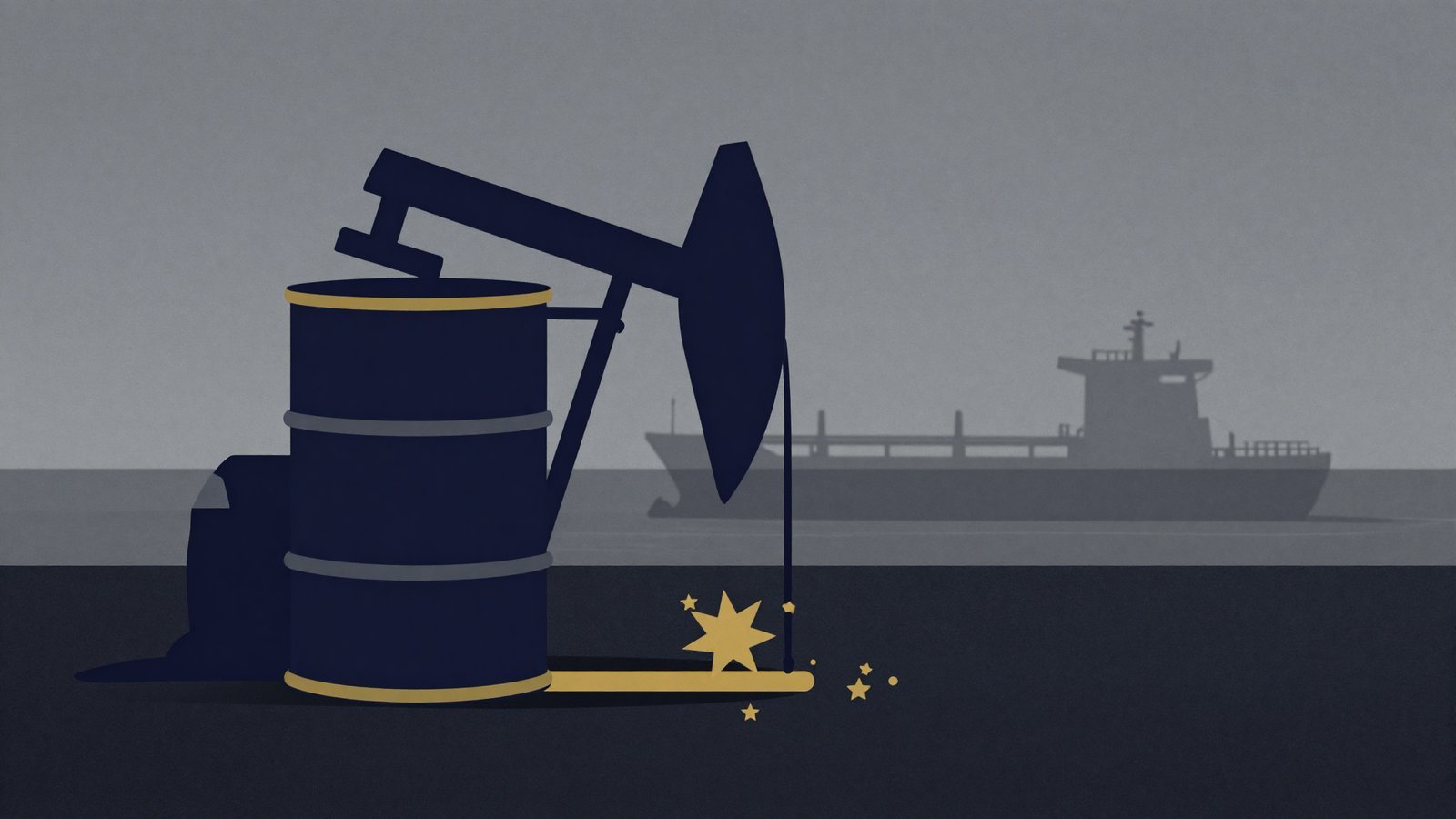
European Union member states agreed a 21st package of sanctions against Russia on 23 July, after weeks of negotiation, according to The Moscow Times and S&P Global. The central measure freezes the price cap on Russian crude oil at $44 a barrel for 12 months.
The freeze was designed to prevent an automatic revision that would have raised the cap. Reporting by Free Malaysia Today and other outlets said the cap could otherwise have risen toward $58 a barrel, reducing the pressure on Russian oil revenues.
EU officials said the package targets the sectors judged to have the highest impact, including energy, financial services, cryptocurrency and trade. It also added new listings of individuals and entities, though the exact number was not specified in initial reporting.
Analysis by Kharon said the package included the bloc's largest number of new blacklistings in four years, with Russia's financial and energy sectors the primary focus. The measures also tightened rules aimed at Moscow's so-called shadow fleet of tankers.
S&P Global reported that the package loosened a proposed ban on third-country Russian LNG in some respects while extending the oil price cap. The balance reflected competing pressures among member states over energy supply and enforcement.
How the deal came together
The agreement followed an earlier failure to reach consensus. Bloomberg reported on 13 July that EU states had been unable to adopt the package or freeze the oil cap, leaving ambassadors racing against a deadline.
Diplomats said a final obstacle was cleared when Greece won an exemption for its shipping firms, according to S&P Global. The carve-out let those companies keep transporting Russian liquefied natural gas from the Arctic, and helped secure Athens's support.
The negotiations stretched over several weeks and required unanimity among member states. Each government weighed the economic exposure of its own industries against the collective aim of tightening pressure on Moscow, diplomats said.
Several proposals were dropped or deferred. According to The Moscow Times, Bulgaria blocked an attempt to list Russian Orthodox Patriarch Kirill, while Portugal and France opposed a ban on certain Russian fish imports. A broad visa ban on Russian soldiers was deferred.
What EU officials say
European Council President Antonio Costa said the bloc's support for Ukraine and for a just and sustainable peace remained unwavering, according to The Moscow Times. He framed the package as part of sustained pressure on Moscow.
European Commission President Ursula von der Leyen said the sanctions continued to weaken the economic foundations of Russia's war effort. She linked the measures to what she described as Ukraine's recent military momentum.
- Oil price cap frozen at $44 a barrel for 12 months.
- New restrictions on energy, finance, crypto and trade.
- Greek exemption for Arctic LNG shipping to secure agreement.
- Proposals on Patriarch Kirill, fish imports and a soldier visa ban dropped or deferred.
Russia's position
Russia has consistently rejected Western sanctions as illegitimate and has said they have failed to break its economy or change its policy in Ukraine. Moscow has redirected much of its oil trade toward buyers in Asia since 2022.
Russian officials have argued that sanctions harm European consumers and global energy markets. The Kremlin did not immediately issue a detailed response to the 21st package, and its practical effect on Russian revenues will take time to assess.
Moscow has said previous rounds encouraged it to build alternative payment systems and trade routes. Independent economists cited by international outlets say sanctions have squeezed Russian budgets while falling short of forcing a change in policy.
Wider context
The oil price cap, first introduced with G7 partners, seeks to limit the revenue Russia earns from crude while keeping it flowing to global markets. Analysts say enforcement has been uneven, with a so-called shadow fleet used to move oil above the cap.
Oil prices have been affected by tensions in the Middle East, complicating the EU's calculations. Freezing the cap at $44 was intended to hold the line against price-driven gains for Moscow, according to reporting by Kharon and S&P Global.
The package is the latest in a series of measures adopted since Russia's full-scale invasion in 2022. Each round has become harder to agree as member states weigh economic costs against the goal of pressuring Moscow.
Earlier in July, EU states had failed to reach agreement, and the cap was at risk of an automatic upward revision. Diplomats said the compromise reflected concern that inaction would have handed Moscow higher oil revenues.
The exemptions and dropped proposals underscored the difficulty of maintaining unanimity across 27 member states. Officials said future packages would likely face similar negotiations over which sectors and individuals to target.
Formal adoption and publication
The measures require formal adoption and publication before entering into force. EU officials have said further packages remain possible, though disagreements over exemptions and economic impact are likely to persist.
Attention now turns to enforcement, particularly of the oil cap and shadow-fleet restrictions. Ukraine and its European backers say sustained economic pressure is essential, while critics question how much additional leverage new listings will provide.
Sources
- The Moscow Times - EU agrees 21st sanctions package against Russia (23 July 2026)
- S&P Global - EU loosens third-country Russian LNG ban, extends oil price cap (23 July 2026)
- Free Malaysia Today - EU locks in oil price cap in new Russia sanctions (23 July 2026)
- Kharon - EU's 21st sanctions package freezes oil price cap (July 2026)
You may also like to read
EU adopts its 21st sanctions package against Russia, hitting energy, finance and crypto
The bloc froze the oil price cap for a year and tightened measures on LNG, banks and crypto, with parallel restrictions imposed on Belarus.
EU Naval Forces Intercept a Russian-Linked Tanker as the Shadow Fleet Comes Under Pressure
An Italy-led mission detained a sanctioned, Cameroon-reflagged tanker near Sicily, tying the Ukraine war to sanctions enforcement and Mediterranean shipping.
Russian hackers turned ordinary security cameras into spies on NATO supply routes
Dutch intelligence says Russia-linked hackers hijacked internet-connected cameras to watch military shipments bound for Ukraine, part of a wider European campaign.
Ukraine and Russia trade long-range strikes as both sides report civilian deaths
Kyiv reported deadly Russian strikes on defence and residential sites, while Moscow said Ukrainian drones hit factories deep inside Russia.