Putin Warns Europe of Reciprocal Ship Seizures as the Shadow-Fleet Standoff Hardens
Speaking aboard a missile warship, the Russian leader said Moscow will start seizing European vessels if EU states keep detaining sanction-busting tankers, and claimed conflict potential in the Asia-Pacific is growing.
Commentary & Analysis ·
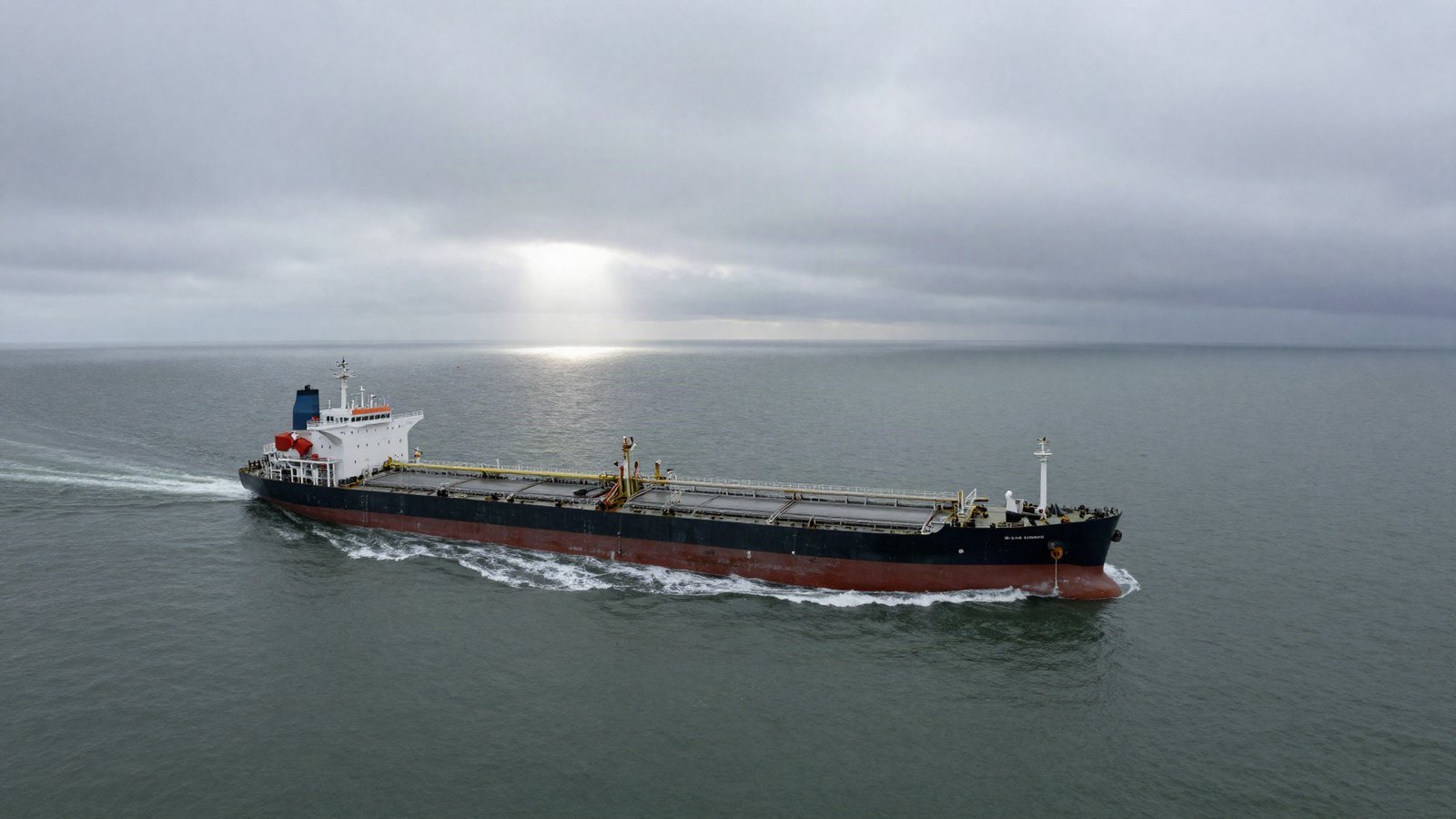
Verified key facts
- Vladimir Putin warned that Russia will respond in kind, seizing European ships, if European countries continue detaining Russian commercial vessels, in remarks reported by Anadolu Agency's morning briefing on 13 August.
- European states have been seizing Russian-linked vessels, mainly shadow-fleet tankers used to evade oil sanctions, a campaign that has intensified through 2026.
- Putin spoke aboard a missile warship taking part in a naval exercise, and separately claimed the potential for conflict in the Asia-Pacific region is growing.
- EU naval forces intercepted a Russian-linked tanker earlier this summer as enforcement moved from port inspections to at-sea action.
- The threat raises the stakes for commercial shipping in the Baltic and North Sea, where most shadow-fleet traffic passes European coastlines.
A threat delivered from a warship deck
Vladimir Putin chose his stage deliberately. Speaking aboard a missile warship during naval exercises on Wednesday, the Russian president warned that if European countries continue seizing Russian commercial vessels, Moscow will respond in kind and begin seizing European ships, according to remarks carried in Anadolu Agency's morning briefing.
The comments turn months of maritime friction into an explicit doctrine of reciprocity. Europe's campaign against the so-called shadow fleet, ageing tankers under flags of convenience that move sanctioned Russian oil, has escalated from paperwork checks to boardings and detentions. Russia is now promising to answer seizure with seizure.
How the shadow-fleet war escalated
The shadow fleet exists because the oil price cap and EU import bans did not stop Russian exports; they rerouted them. Hundreds of tankers with opaque ownership, patchy insurance and disabled transponders carry Russian crude to buyers in Asia, passing through the Baltic and the Danish straits within sight of European coastlines.
Through 2026, European states moved from monitoring to interdiction. EU naval forces intercepted a Russian-linked tanker earlier this summer, and several coastal states have detained vessels over insurance and environmental violations. Each detention tightens the squeeze on Russia's most important revenue stream, which is precisely why Moscow is now threatening escalation.
What reciprocal seizure would mean
European commercial shipping is not a symmetrical target; it is a far bigger one. EU-flagged and EU-owned fleets are among the world's largest, and they pass Russian coastlines in the Baltic and Black Sea daily. A Russian policy of tit-for-tat detentions would expose thousands of sailings a year to legal harassment or worse.
That asymmetry cuts both ways. Seizing European ships would invite insurance chaos and further sanctions, and would hand Europe the political argument that Russia is a threat to all maritime commerce, not merely a sanctions evader.
The Asia-Pacific aside
In the same remarks, Putin claimed the potential for conflict in the Asia-Pacific region is growing. The comment, delivered without elaboration, fits a pattern of Moscow gesturing eastward, toward its deepening military relationship with China and the contested waters of the Pacific, whenever pressure mounts in Europe.
Whether read as analysis or as signalling, it reinforces the sense of a single, connected maritime contest stretching from the Baltic to the South China Sea.
Europe's dilemma
European governments face an uncomfortable calculation. Stopping enforcement would validate the threat and reopen the sanctions leak; continuing invites a confrontation at sea with a nuclear power. The likeliest path is the middle one: continued detentions under legal cover, insurance and flag-state rules rather than overt naval action, calibrated to be defensible and deniable.
The risk is that calibration fails. Warships shadowing tankers, boardings in crowded straits and now explicit threats of retaliation build the kind of tinder that a single incident can light.
The economic stakes
Oil markets have so far treated the standoff as noise, but the exposure is real. A serious interruption to Baltic tanker traffic, in either direction, would move crude prices in a market already tightened by Middle East conflict, and marine insurers are repricing the region voyage by voyage.
For Russia, the arithmetic is existential: seaborne oil pays for the war. For Europe, the same cargoes are the leak in a sanctions regime three years in the making.
The legal grey zone at sea
Both sides are fighting this contest with law books as much as warships. European detentions have leaned on unimpeachable technicalities, expired insurance, flag irregularities, environmental risk from ageing single-hull tankers, because a seizure framed as safety enforcement is harder to characterise as an act of war. Russia's threatened reciprocity has no equivalent legal scaffolding: European vessels in Russian waters are generally well-flagged, insured and compliant, which is why analysts read the warning as coercive signalling rather than a workable policy.
The precedent that haunts maritime lawyers is escalation by increment. Detentions beget detentions, crews become bargaining chips, and the commercial system that depends on boring predictability, charter rates, insurance pools, port calls, begins to price politics into every voyage. The shadow fleet was designed to hide from that system; the confrontation over it is now dragging the whole Baltic into view.
The next detention is the tell
The tell will be the next detention. If a European state seizes another tanker and Russia responds only with words, the threat deflates; if a European-flagged vessel is boarded in reply, the maritime war will have widened decisively.
Either way, the world's most consequential shipping lanes are now part of the front.
Sources
- Anadolu Agency - Morning briefing, August 13 2026
- Euronews - daily bulletin August 13 2026
- Prior EU naval interception reporting
- Global Security - daily situation reports
You may also like to read
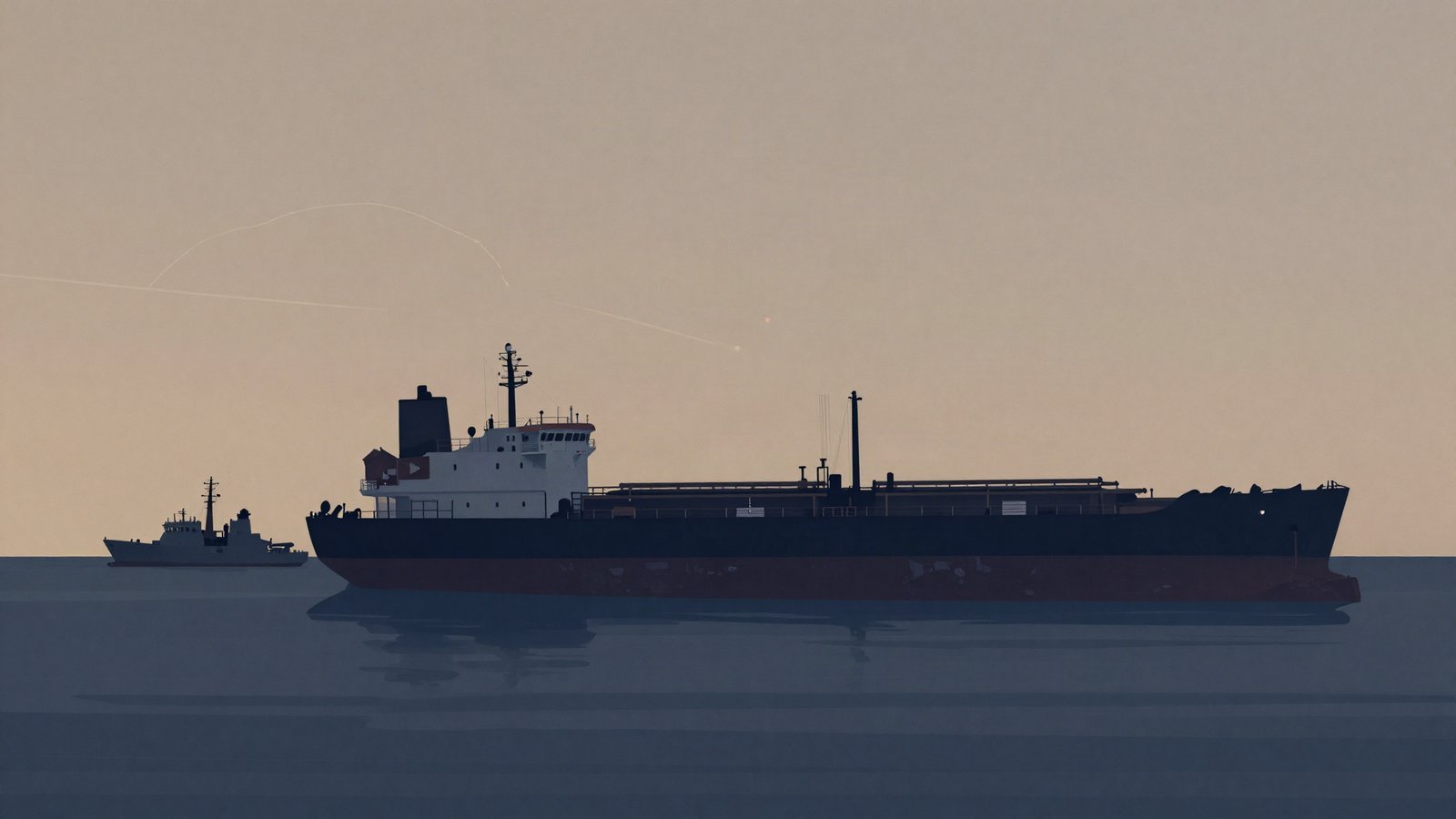
EU Naval Forces Intercept a Russian-Linked Tanker as the Shadow Fleet Comes Under Pressure
An Italy-led mission detained a sanctioned, Cameroon-reflagged tanker near Sicily, tying the Ukraine war to sanctions enforcement and Mediterranean shipping.
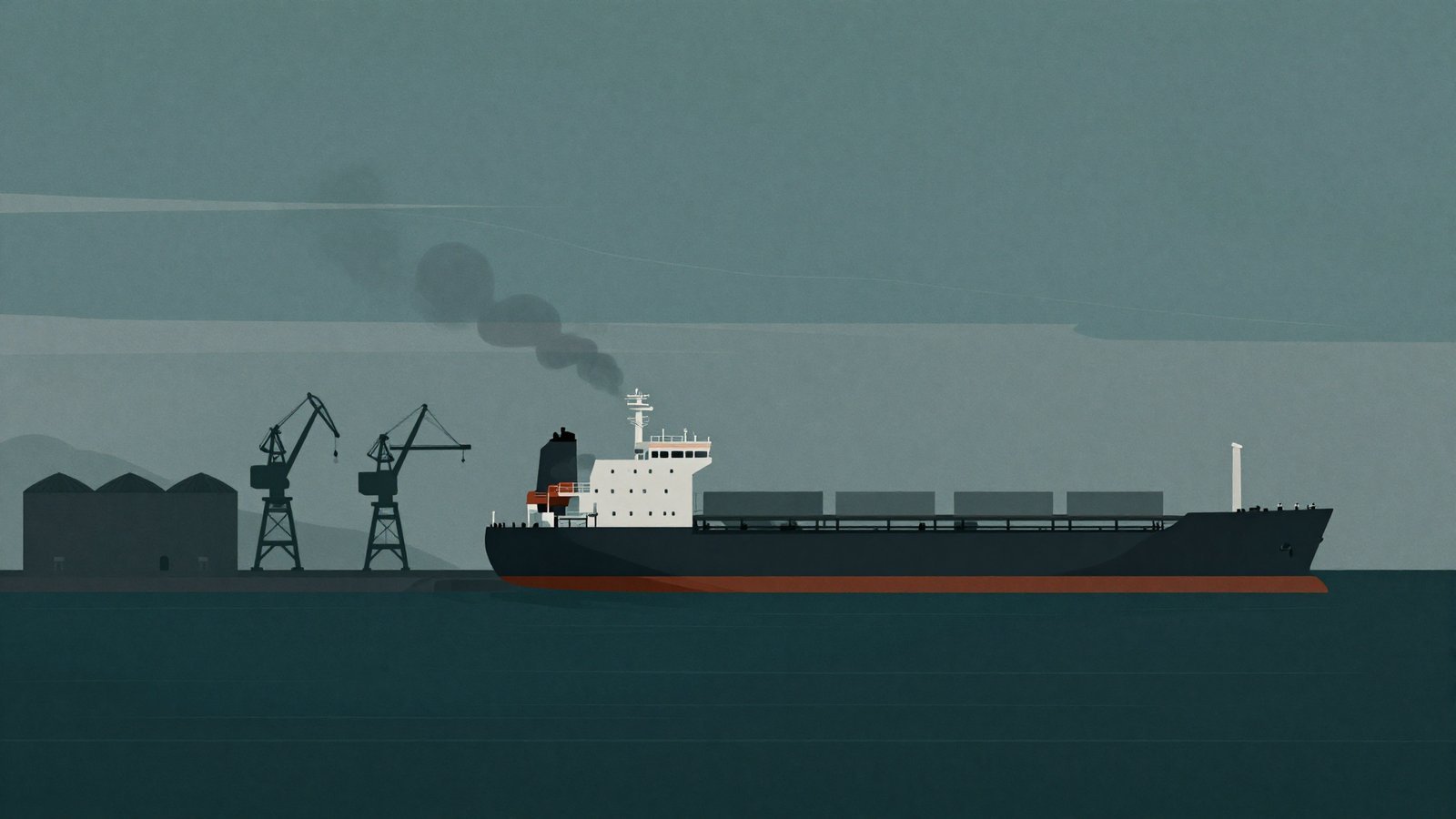
Strikes on Odesa ports and merchant ships raise fears for Black Sea trade
Ukraine says Russian attacks on Black Sea ports killed foreign sailors and endangered grain exports, prompting an emergency UN session.
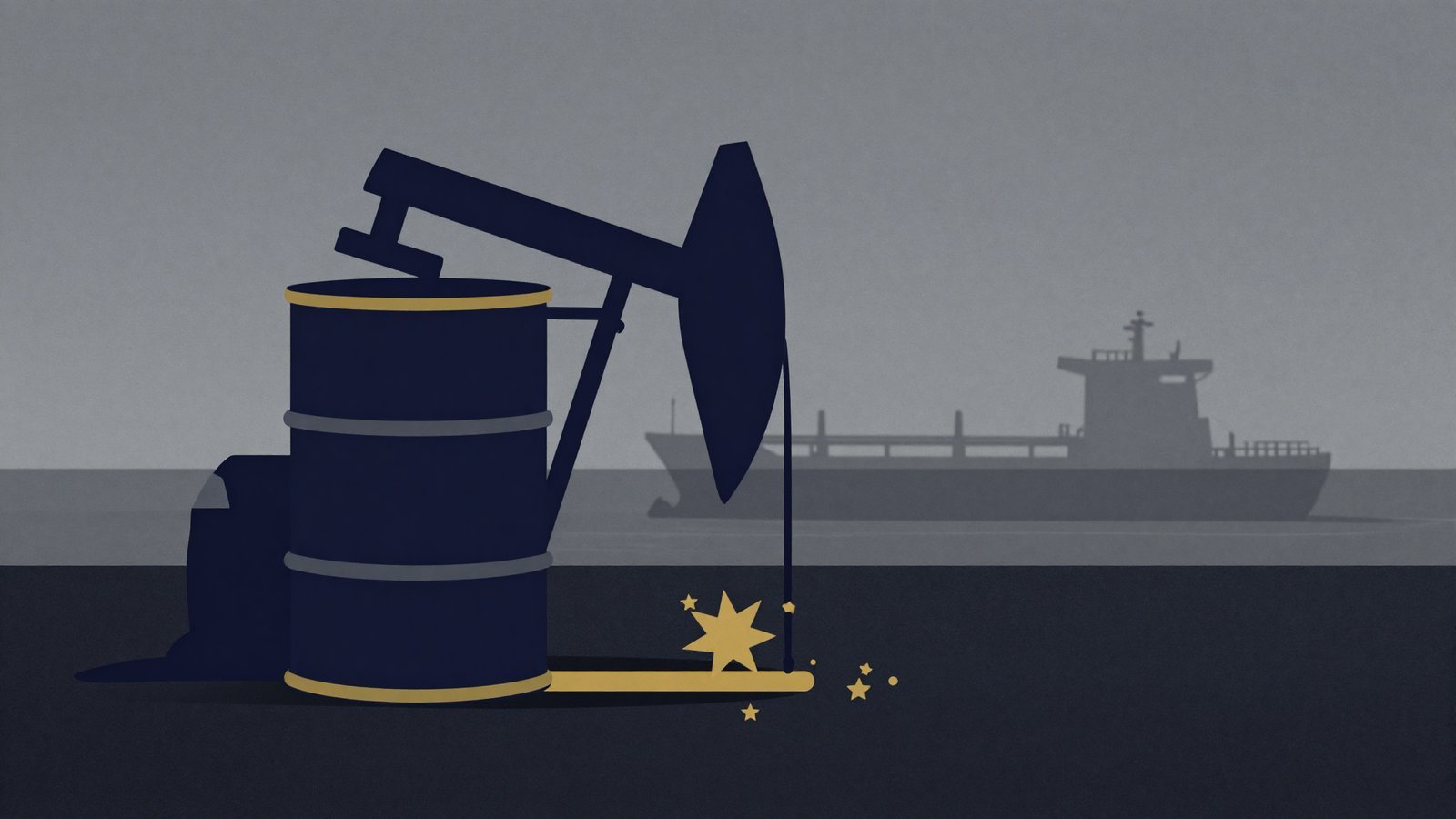
EU adopts 21st sanctions package on Russia and freezes oil price cap at $44
The bloc agreed new measures on energy, finance and trade after weeks of talks, with an exemption for Greek shipping of Russian LNG.

EU adopts its 21st sanctions package against Russia, hitting energy, finance and crypto
The bloc froze the oil price cap for a year and tightened measures on LNG, banks and crypto, with parallel restrictions imposed on Belarus.