Seven Governments Tell Israel to Withdraw the E1 Settlement Tender in the Occupied West Bank
Britain, France, Germany, Italy, the Netherlands, Norway and Canada call the 1,234-home tender unacceptable and warn businesses against bidding.
Commentary & Analysis ·

Verified key facts
- Israel's housing ministry published construction tenders for the E1 settlement project on 18 August and opened them for bids immediately, with submissions due by 19 October, Euronews reported
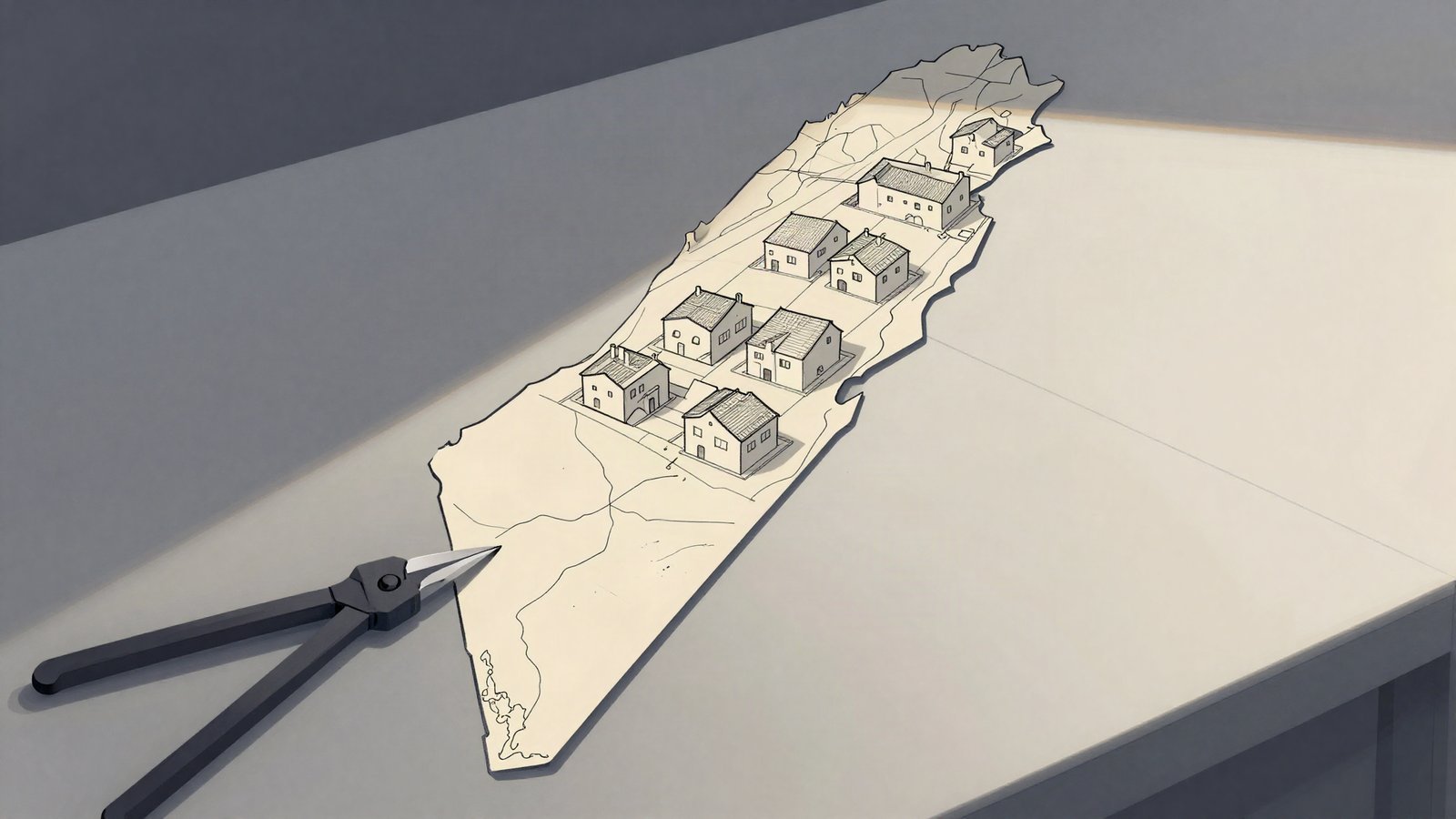
- The tender covers seven residential complexes totalling 1,234 units, part of a wider plan of roughly 3,401 homes across about 12 square kilometres that received final approval in August 2025
- France, Germany, Italy, the Netherlands, the United Kingdom, Norway and Canada issued a joint statement on 20 August urging Israel to retract the plans immediately, per Euronews and Haaretz
- The statement said the decision was more concerning at a time of unprecedented settler violence against civilians and serious restrictions on the Palestinian economy
- Israel's foreign minister Gideon Saar rejected the criticism outright, according to Euronews
- Belgium's foreign minister Maxime Prevot separately called the tenders unacceptable
- Israeli elections are scheduled for 27 October, eight days after the tender deadline
A tender opened on a Tuesday in August
Israel's housing ministry published construction tenders for the E1 project on Tuesday 18 August and opened them for bids the same day, with a submission deadline of 19 October. Euronews put the latest tranche at more than 1,200 housing units; other reporting has been more precise, describing seven residential complexes totalling 1,234 units.
The tranche is part of a larger scheme of roughly 3,400 homes spread across about 12 square kilometres, which received its final planning approval in August 2025. Publishing the tenders converts an approved plan into an active procurement, which is why the reaction this week was sharper than the reaction to the approval a year ago.
The timing has drawn attention on its own account. The bid deadline of 19 October falls eight days before Israeli elections scheduled for 27 October.
What the seven governments actually said
France, Germany, Italy, the Netherlands, the United Kingdom, Norway and Canada issued a joint statement on 20 August, reported by Euronews, Haaretz and Bloomberg. It urged the government of Israel to retract the plans immediately and to end its expansion of settlements in the West Bank.
The statement placed the tender in a wider context of deterioration, saying that at a time of grave instability in the West Bank, with unprecedented levels of violence by settlers against civilians and serious restrictions on the Palestinian economy, the decision was even more concerning.
The signatories argued that the project would drive a wedge through the West Bank, take the region further from peace, and further undermine Israel's international standing. The reference to standing rather than to legality alone marks a shift in how these statements are being framed.
Why E1 is treated differently from other settlements
E1 occupies a specific and consequential piece of ground. It lies east of Jerusalem, in the corridor between the city and the Israeli settlement of Maale Adumim, and building it out would place a contiguous built-up area across the link between East Jerusalem and the rest of the West Bank.
That geography is the whole argument. Critics have said for two decades that construction there would separate the northern and southern West Bank from one another and from East Jerusalem, which is why successive American administrations, including ones otherwise supportive of settlement policy, pressed Israeli governments to leave the corridor alone.
The joint statement restated the legal position that the signatories have held for years: Israeli settlements in the West Bank are illegal. What is new is not the legal claim but the willingness to attach commercial warnings to it.
Israel's answer
Israel's foreign minister, Gideon Saar, rejected the criticism outright. Euronews reported that he asserted the right of Jewish people to live throughout the territory and accused the United Kingdom of ignoring Palestinian extremism while directing blame at Israel alone.
That response is consistent with the position the current Israeli government has taken through the year, and it makes clear that the tender is unlikely to be withdrawn in response to a statement from European capitals.
The Palestinian foreign ministry issued its own warning over the E1 tenders, according to the Anadolu Agency's briefing on 21 August, placing the tender alongside a set of other developments in the territories that it has raised with the United Nations.
London's promised package of measures
The British response went furthest. The UK foreign secretary, Ed Miliband, called on Israel to halt the project immediately and withdraw the tender, and the British government said it would announce a comprehensive package of measures in the coming weeks in response to Israeli government policies, including sanctions targeting those involved in settlement expansion.
The statement also carried a warning aimed not at governments but at companies, cautioning businesses against bidding for construction tenders connected to the plans. That is an unusual step for a joint diplomatic text, and it shifts part of the enforcement burden onto commercial due diligence.
Whether that warning has practical effect depends on whether the firms that bid for Israeli housing tenders have exposure to the markets issuing the warning. Many do not, which is a limitation the signatories have not addressed publicly.
Brussels, Ottawa and the widening list of signatories
Belgium's foreign minister, Maxime Prevot, described the tenders as unacceptable in his own statement, and other reporting has counted additional European states adding their names alongside the original seven.
Canada's presence on the statement is the notable one outside Europe. Ottawa has moved through the year from general expressions of concern to joining texts that make specific demands, and the E1 statement is the sharpest it has signed.
The European Union's external action service has separately maintained its standing position on settlements in the West Bank, which the joint statement echoes rather than replaces.
The 19 October deadline and the 27 October vote
The two dates that now govern this dispute are fixed. Bids for the seven complexes close on 19 October. Israel goes to the polls on 27 October.
If the tender runs to term, the contracts would be awarded by an outgoing government days before an election, which is precisely the sequence the signatory governments are asking Israel to interrupt. If it is suspended, that decision will be taken in an election campaign in which settlement policy is already a live issue.
Nothing in the joint statement carries legal force by itself. The measures that would carry force, in the British case, have been promised for the coming weeks and have not yet been published.
Sources
- Euronews - European leaders demand Israel halt controversial E1 settlement project in West Bank
- Haaretz - France, Germany, Italy and the UK condemn Israel's construction tender for West Bank E1 settlement project
- Bloomberg - Israel faces European criticism over E1 settlement plan in West Bank
- UPI - Countries condemn Israel's E1 settlement tender in West Bank
- The National - Western leaders condemn Israel's unacceptable E1 settlement project in West Bank
- Anadolu Agency - Morning briefing, 21 August 2026
You may also like to read
Faster Settlement Approvals and Annexation Talk Open a Political Front in the West Bank
Netanyahu said settlement approvals near the clash site would be accelerated as ministers pressed for annexation, opening a political front in the West Bank.
Israel Launches West Bank Crackdown After Deadly Clash Near Nablus
Israel began an aggressive West Bank crackdown after a deadly clash near Nablus, as settler violence spread and hundreds of Palestinians were detained.

Israel Raises Serious Concerns Over Hamas Disarmament Verification and Withdrawal Sequencing
Israeli officials warned Hamas could rebuild if troops left before weapons and tunnels were dismantled, exposing the security dispute the framework has not settled.
Satellite images show Israel building long earthen barrier inside Gaza
Imagery reviewed by news agencies shows a berm and trench cutting across Gaza. Israel cites security; Palestinians say it entrenches division.