Congo's Ebola Outbreak Passes 2,000 Deaths as Experts Reassure Americans the US Risk Stays Low
The Bundibugyo-strain epidemic has recorded 4,381 confirmed cases across eastern DRC with earlier cross-border spread into Uganda, while US health experts stress the threat to Americans remains minimal.
Commentary & Analysis ·
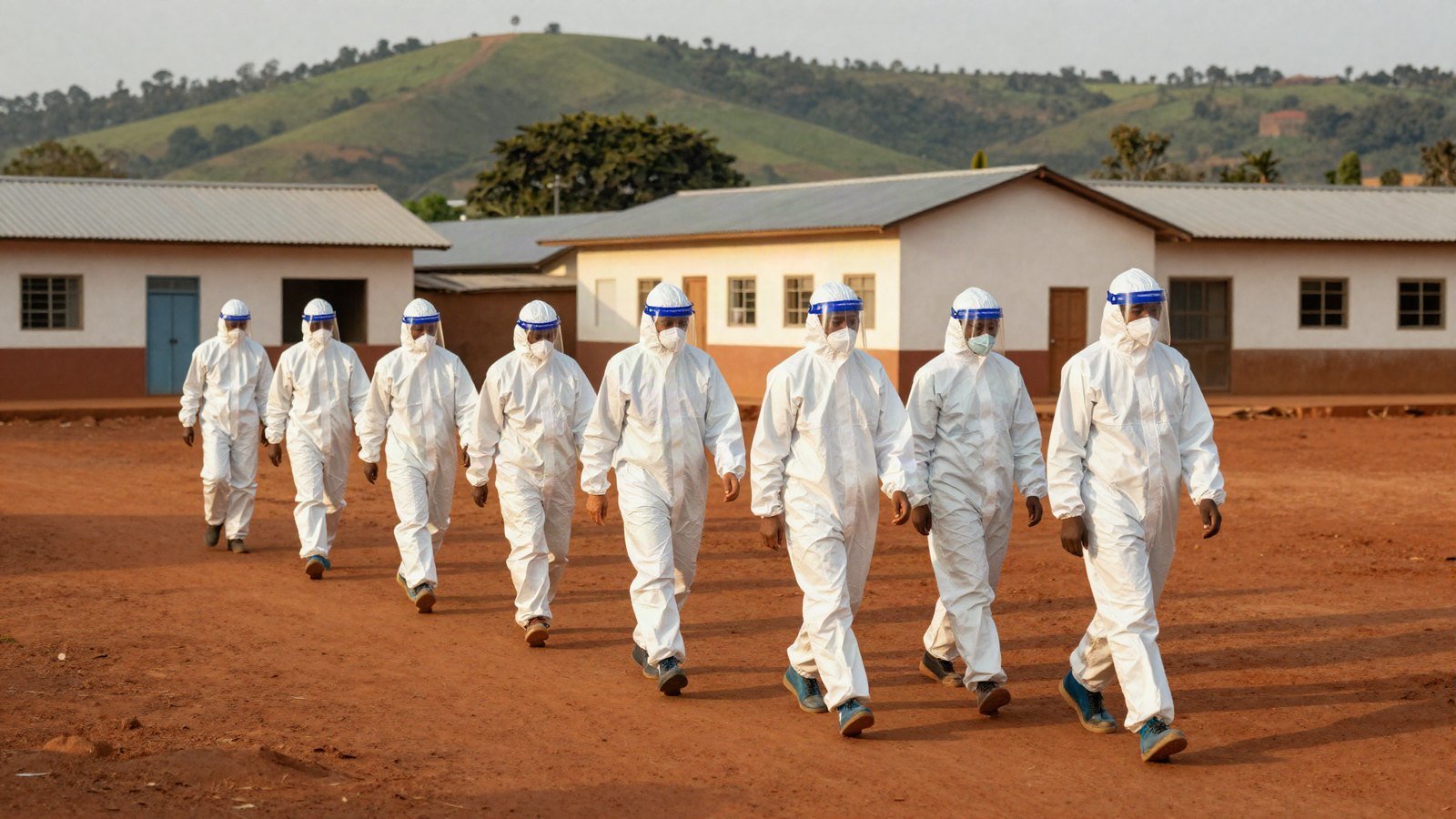
Verified key facts
- The Ebola outbreak in the Democratic Republic of Congo has surpassed 2,000 deaths, with government data showing 4,381 confirmed cases, per Fox News and NBC reporting this week.
- The outbreak involves the Bundibugyo ebolavirus strain, genetically distinct from the Zaire strain targeted by existing licensed vaccines, and transmission requires close physical contact.
- The virus has spread across parts of eastern and northeastern DRC, with earlier cross-border cases recorded in Uganda.
- Experts quoted in US coverage say the average American faces very little threat, citing robust public-health systems and active work on treatments and vaccines for the Bundibugyo strain.
- Separately, the CDC's tracking shows 2,465 confirmed US measles cases in 2026 as of 6 August, a reminder of domestic outbreak pressures.
The toll crosses a grim threshold
The Ebola epidemic burning through eastern Democratic Republic of Congo has passed 2,000 deaths, according to government data cited in US reporting this week, with 4,381 confirmed cases recorded since the outbreak began. The milestone places this among the deadliest Ebola events since the 2014-16 West Africa epidemic, and it is still growing.
The outbreak's geography compounds the difficulty: dense populations, limited access to medical care and long-running insecurity across parts of eastern and northeastern DRC have hampered every phase of the response, from case-finding to safe burials. Earlier in the outbreak, cross-border cases were recorded in Uganda.
Why this strain is different
The pathogen is the Bundibugyo ebolavirus, one of the rarer members of the Ebola family and genetically distinct from the Zaire strain responsible for most historical outbreaks. That distinction matters clinically and strategically: the licensed vaccine deployed successfully in previous DRC outbreaks targets the Zaire strain, and researchers are actively evaluating treatments and vaccines effective against Bundibugyo, per the expert commentary in this week's coverage.
What has not changed is the transmission route. Ebola spreads through close physical contact with the body fluids of an infected person, not through casual proximity or the air, which is why outbreaks can be contained by contact tracing, isolation and safe burial practices when those systems can operate.
What US experts are telling Americans
The reason the outbreak surfaced prominently in US search traffic this week was a wave of explainer coverage addressing an obvious question: should Americans worry? The expert answer, quoted across Fox News and Yahoo's science desk, is that the average American faces very little threat. The US maintains robust public-health screening and hospital isolation capacity, and the contact-dependent transmission of Ebola makes sustained spread in a high-resource setting extremely unlikely.
The practical American exposure is limited to travellers connected to the affected region, and standard entry screening protocols for such outbreaks have been refined through several previous Ebola events.
The response on the ground
Inside DRC, the response confronts the familiar triad that has defined every eastern-Congo outbreak: geography, conflict and trust. Health teams must reach communities across areas where armed-group activity restricts movement, and where public confidence in outbreak responders has been damaged by years of crisis.
The caseload's continued growth suggests transmission chains are still escaping surveillance. Experience from previous outbreaks shows the curve bends when three numbers improve together: the share of new cases arising among known contacts, the speed from symptom onset to isolation, and the proportion of safe burials.
The vaccine question
The absence of a licensed Bundibugyo-specific vaccine is the outbreak's defining constraint. Candidate products exist and are being evaluated, and the global health apparatus has been through this exact sequence before: the Zaire-strain vaccine that transformed Ebola response was itself proven mid-outbreak through ring-vaccination trials.
Whether a Bundibugyo candidate reaches meaningful deployment during this epidemic will shape not just its trajectory but the template for responding to the Ebola family's less-studied strains.
How this compares with past outbreaks
Two thousand deaths places this outbreak second only to the 2014-16 West Africa epidemic, which killed more than 11,000, and ahead of the 2018-20 North Kivu outbreak, which claimed roughly 2,300 lives over two years. The current epidemic's pace, reaching this toll with 4,381 confirmed cases, also implies a case-fatality ratio consistent with Bundibugyo's historical range.
North Kivu is the closest analogue in another respect: it was fought in the same insecure eastern-DRC terrain, and it ended only after ring vaccination reached scale. That tool, for this strain, is what the current response conspicuously lacks.
What would change the trajectory
Outbreak curves bend on process metrics long before they show in death tolls: the proportion of new cases already registered as contacts, the interval from symptom onset to isolation, and community acceptance of safe burials. Responders' reports on those indicators over the coming weeks will say more about the epidemic's direction than any single case count.
The wild card is a Bundibugyo-effective vaccine reaching field deployment. A mid-outbreak trial, the path that validated the Zaire-strain vaccine in 2015, would be both a response tool and a permanent addition to the world's thin armoury against the Ebola family's neglected strains.
The domestic footnote
The same explainer wave reminded American readers of the outbreak pressure already inside US borders: the CDC's count stood at 2,465 confirmed measles cases for 2026 as of 6 August, one of the worst years since domestic elimination was declared in 2000.
The juxtaposition carries its own lesson. The exotic threat drawing search traffic remains an ocean away and contact-limited; the domestic one spreads through the air and tracks directly with vaccination coverage. Risk, as ever, is poorly measured by distance.
Sources
- Fox News - Deadly outbreak: what Americans should know
- NBC News - Tracking the 2026 Ebola outbreak
- Yahoo News - Outbreak kills 2,000
- CDC - Measles cases and outbreaks data
You may also like to read
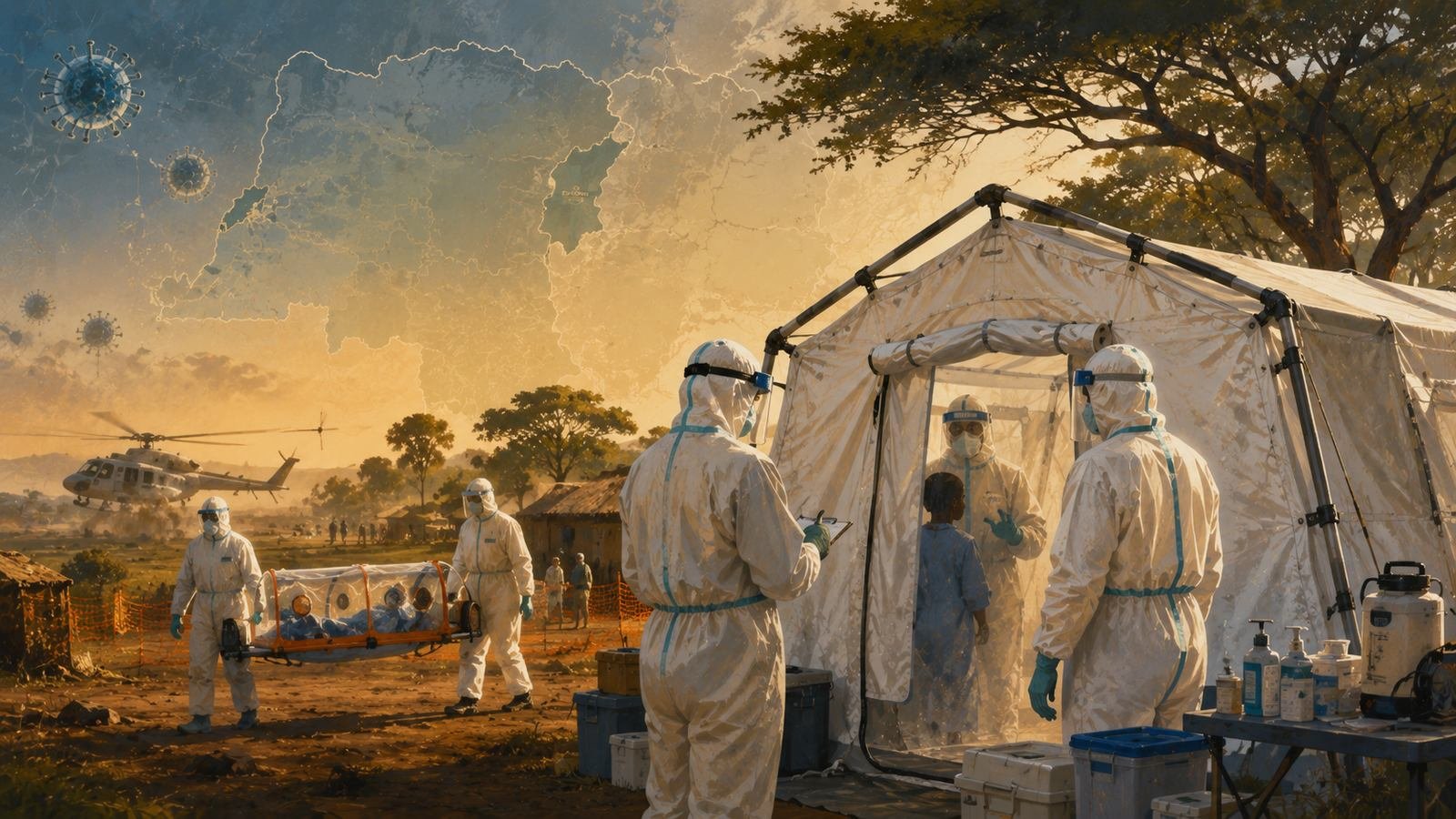
Ebola Outbreak in DR Congo and Uganda Passes 2,000 Confirmed Cases
The Bundibugyo strain of Ebola continues to spread in eastern DR Congo, with 754 deaths reported and Ituri province at the centre of the response.
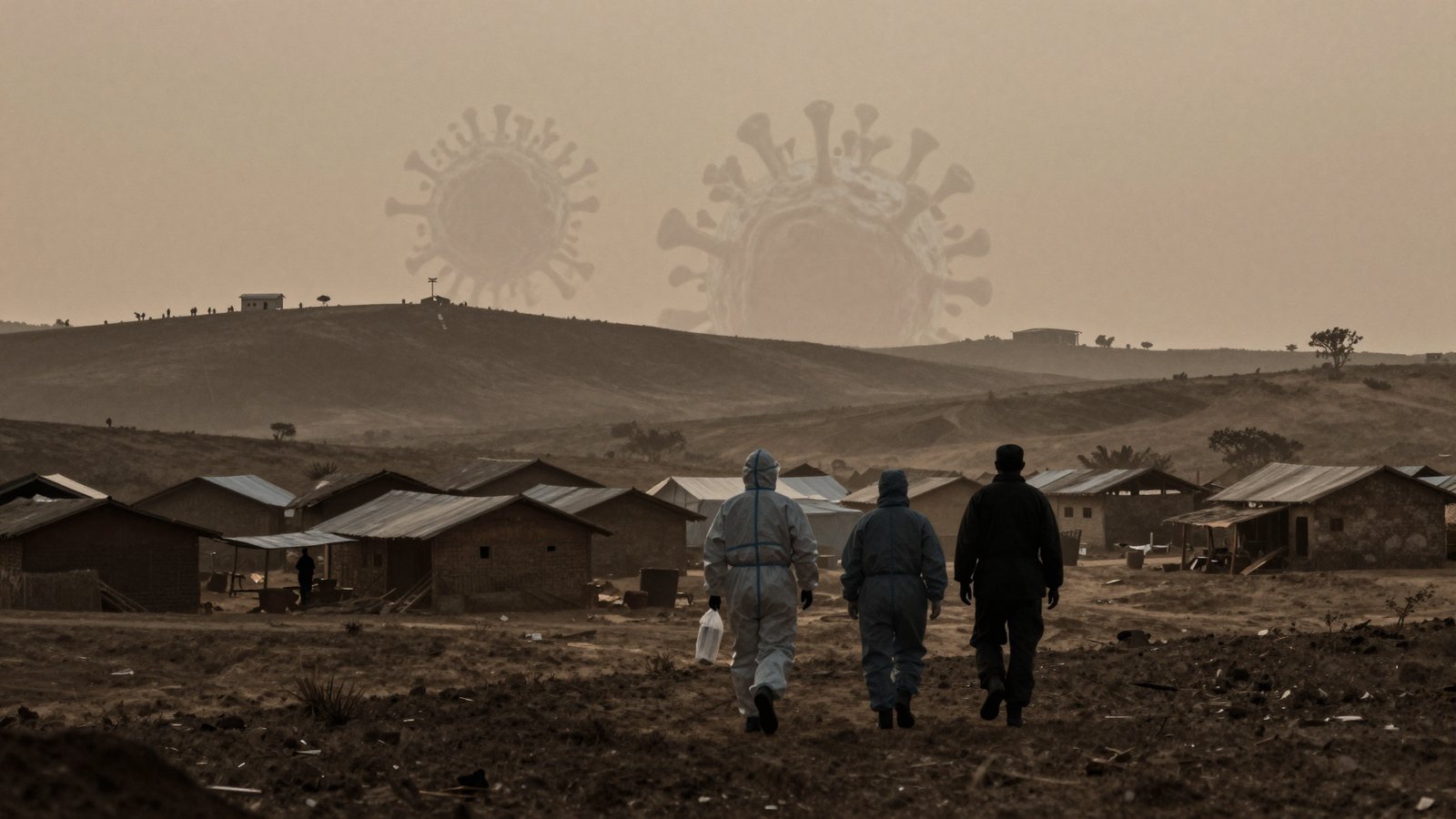
DR Congo faces the fastest Ebola outbreak on record as deaths pass 1,000
The Bundibugyo strain has spread faster than any previous Ebola epidemic, with no approved vaccine, as conflict and mistrust hamper the response.
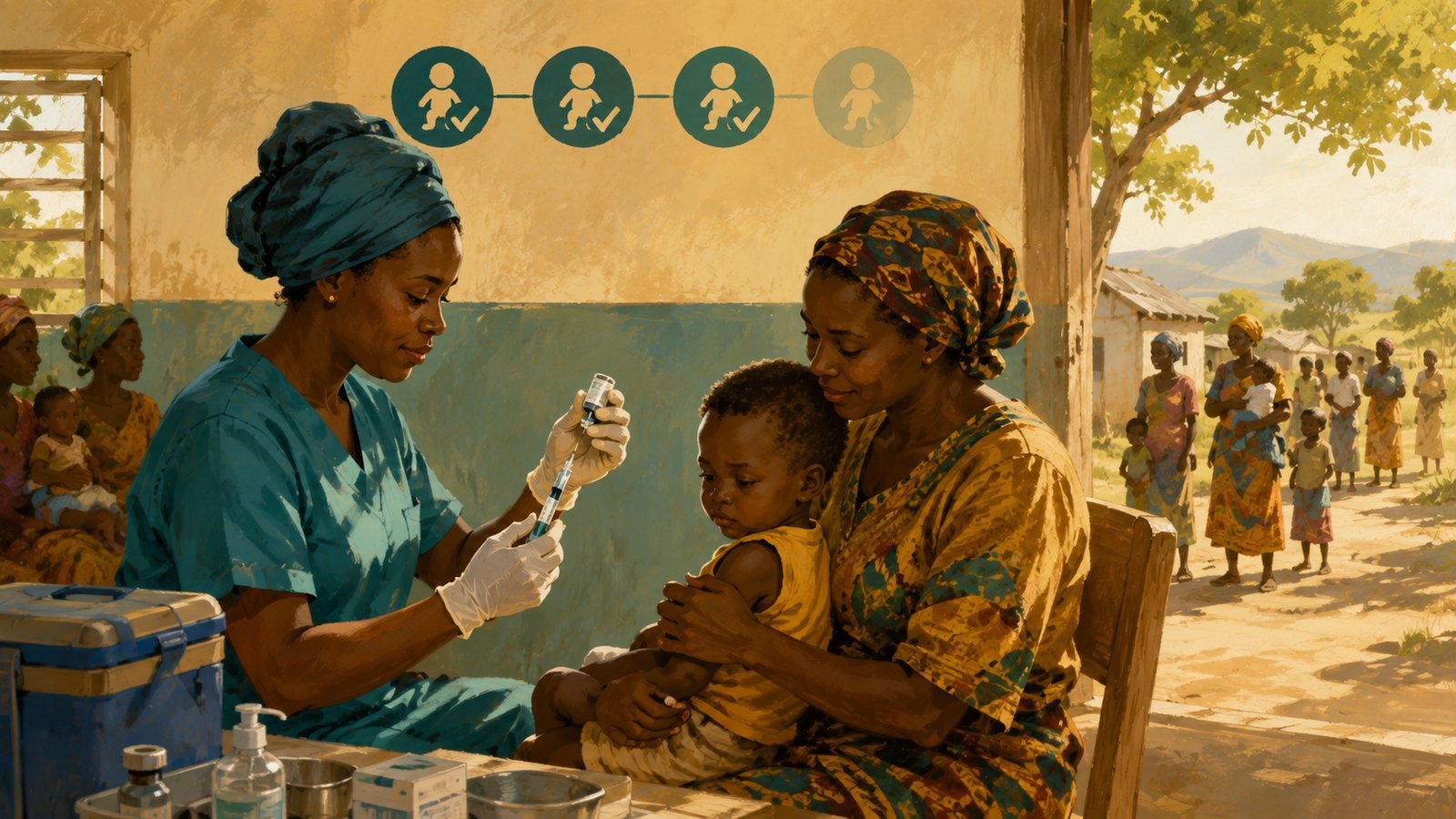
Africa's Malaria Vaccine Rollout Saves Lives But Faces a Fourth-Dose Test
More than 52 million malaria vaccine doses have reached 25 African countries, yet completing the full four-dose schedule remains a stubborn challenge.

WHO Says Up to 45% of Dementia Risk Could Be Prevented or Delayed
New WHO guidelines argue that tobacco, air pollution, isolation and untreated illness drive a large share of dementia risk that societies can act on.