A Deep Partial Lunar Eclipse Arrives on August 27, and Nearly All of the Americas Get a Front-Row Seat
About 96% of the Moon slips into Earth's shadow next Thursday night, with maximum eclipse at 12:12am Eastern and no equipment needed to watch it.
Commentary & Analysis ·
Verified key facts
- About 96% of the Moon's visible surface passes through Earth's dark umbral shadow on the night of 27-28 August, according to EarthSky
- Maximum eclipse comes at 12:12am EDT on 28 August — 11:12pm CDT, 10:12pm MDT and 9:12pm PDT on 27 August, per Sky & Telescope
- Virtually all of the contiguous US, the eastern two-thirds of Canada and all of South America can watch the umbral phases, Sky & Telescope reported
- The eclipsed portion of the Moon may glow dark red, brown or copper near maximum, according to The Hill
- No eye protection is needed for a lunar eclipse; binoculars and telescopes simply enhance the view, per Star Walk
The Moon all but vanishes next Thursday night
A week from now, on the night of 27-28 August, the full Moon slides almost entirely into Earth's shadow in the deepest lunar eclipse visible from the Americas in years. About 96% of the Moon's visible surface passes through the umbra — the dark central core of the planet's shadow — according to EarthSky, leaving only a bright sliver untouched.
Astronomers class it as a partial eclipse, but only just. Sky & Telescope notes that with 93% of the lunar disk immersed at maximum by its measure, the event will look and feel like a total eclipse for most casual watchers, with the Moon reduced to a thin bright rim hugging a deeply shadowed globe.
The timetable, coast to coast
The headline moment is maximum eclipse at 12:12am Eastern Daylight Time on Thursday night into Friday morning, 28 August. For everyone west of the Eastern time zone the peak lands at a friendlier hour on Thursday evening, the 27th: 11:12pm Central, 10:12pm Mountain and 9:12pm Pacific, according to Sky & Telescope.
The umbral phases stretch for hours either side of that peak, as the shadow's edge crawls across the lunar surface. EarthSky advises settling in around an hour before maximum to watch the darkness advance, with the most dramatic colour arriving in the half-hour bracketing the peak.
Who gets the show
The geography is generous. Virtually all of the contiguous United States, the eastern two-thirds of Canada and the whole of South America can watch the umbral shadow cover and uncover the lunar disk, Sky & Telescope reported.
The far West gets a partial pass: in the western states the Moon rises with the eclipse already under way, but maximum should still be visible from most locations as the Moon climbs the south-eastern sky, according to Star Walk. East of the Mississippi, the entire performance plays out with the Moon well placed.
Why the shadowed Moon turns copper
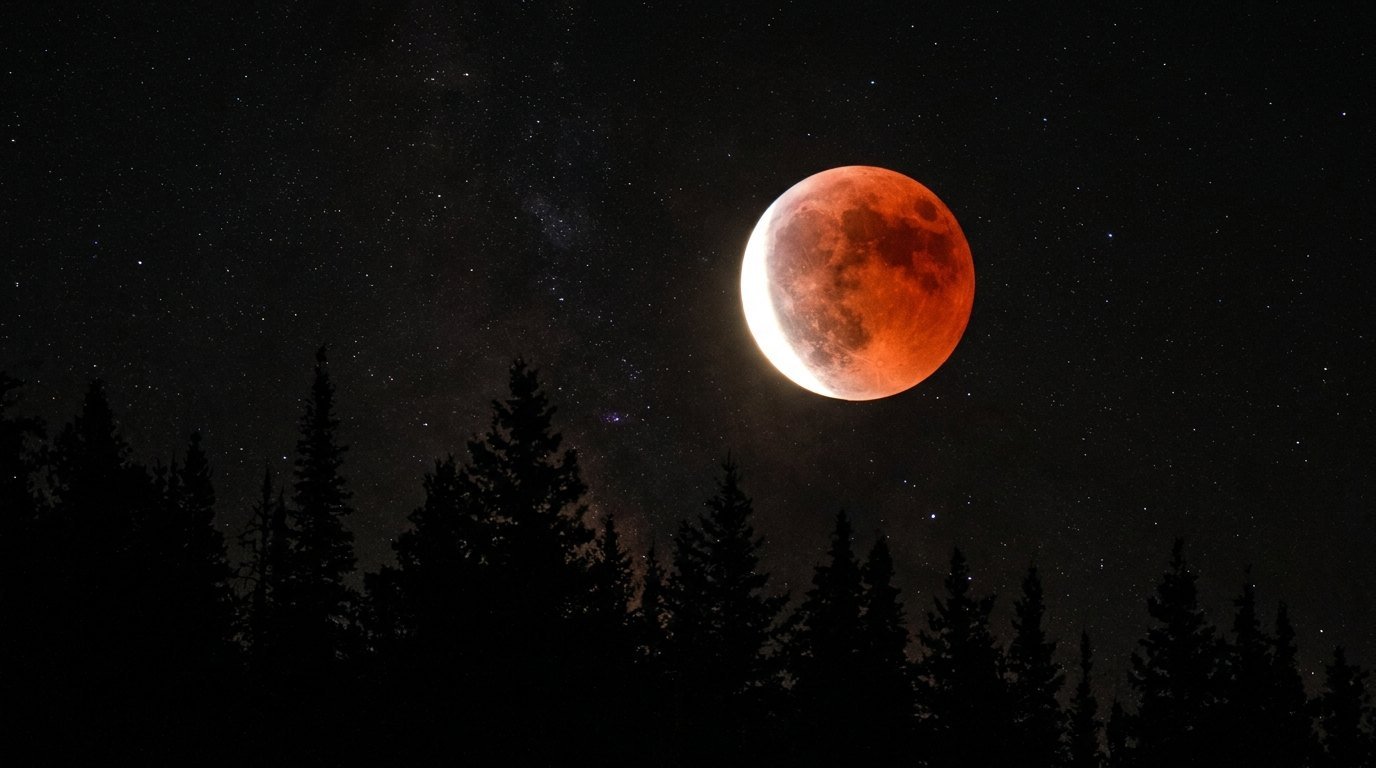
The spectacle's signature is colour. Near maximum, the eclipsed portion of the Moon may glow dark red, brown or copper, The Hill reported — the result of sunlight bending through Earth's atmosphere, which strips out the blue wavelengths and lets the reds through, painting the Moon with the light of every sunrise and sunset on the planet at once.
Because a sliver of the Moon stays outside the umbra, the whole disk will not turn the uniform red of a classic 'blood moon'. Instead watchers get a stranger sight: a copper Moon wearing a brilliant white crescent edge, a contrast photographers prize.
Exactly which shade the Moon takes depends on the state of Earth's atmosphere that night. Volcanic dust and heavy aerosol loads darken an eclipse towards deep brown or near-black, while a clean atmosphere lets through a brighter orange — a variability astronomers grade on the Danjon scale, and one of the reasons no two eclipses look quite alike.
No kit required, though it helps
Unlike a solar eclipse, a lunar eclipse asks nothing of its audience but a clear sky. It is entirely safe to watch with the naked eye — eclipse glasses and filters are unnecessary, Star Walk notes — because the Moon reflects sunlight rather than emitting anything harmful.
Binoculars or a small telescope enhance the view considerably, resolving the shadow's curved edge and the subtle gradations of colour across the lunar seas. The Old Farmer's Almanac suggests finding a spot away from streetlights with an open view to the south and east, and giving eyes ten minutes to adapt to the dark.
Photographers get one of the year's most forgiving targets. A camera on a tripod with a modest zoom will capture the copper disk and its white rim, and even recent phones can manage a respectable image braced against something solid — though the contrast between the bright sliver and the shadowed surface rewards manual exposure control.
A summer sky that keeps delivering
The eclipse caps a run of celestial spectacles this August, arriving a fortnight after the Perseid meteor shower peaked under a new Moon and just weeks after Europe's first total solar eclipse since 1999 swept from Greenland to Spain. Eclipses travel in pairs: this lunar event is the solar eclipse's companion, occurring at the opposite node of the Moon's orbit.
For North American skywatchers it is also a preview of coming attractions. The continent's next total lunar eclipse follows in the years ahead, but none before it will immerse the Moon as deeply as next week's near-miss, EarthSky notes.
Where to be at 12:12am Eastern on August 28
The practical advice condenses to this: check the local forecast on Thursday afternoon, find a south-east-facing spot with open sky, and be outside from about 11pm Eastern — or an hour before the local maximum wherever you are — with the peak at 12:12am EDT.
If clouds intervene, observatories and astronomy platforms including Time and Date plan live streams tracking the shadow in real time. But this is an event built for the unaided eye, and for once the hemisphere's geography cooperates: for nearly everyone reading this in the Americas, the best seat is the back garden.
It falls on a Thursday night into Friday morning for the eastern half of the continent, which means a late bedtime rather than an alarm set for the small hours — and for the western states, a spectacle conveniently timed for mid-evening. Clear skies permitting, it is the easiest major astronomical event of the year to actually see.
Sources
- Sky & Telescope - Prepare for the Lunar Eclipse on August 27-28, 2026
- EarthSky - Deep partial lunar eclipse on August 27-28, 2026
- The Hill - Lunar eclipse August 2026: What time, how to see it
- Star Walk - August 2026 Lunar Eclipse: Best Views in the Americas, Times & Map
- The Old Farmer's Almanac - August 2026 Lunar Eclipse: When and Where to See It
You may also like to read
The Perseids Peak Under a New Moon, and the Sky Put On Its Best Show in Years
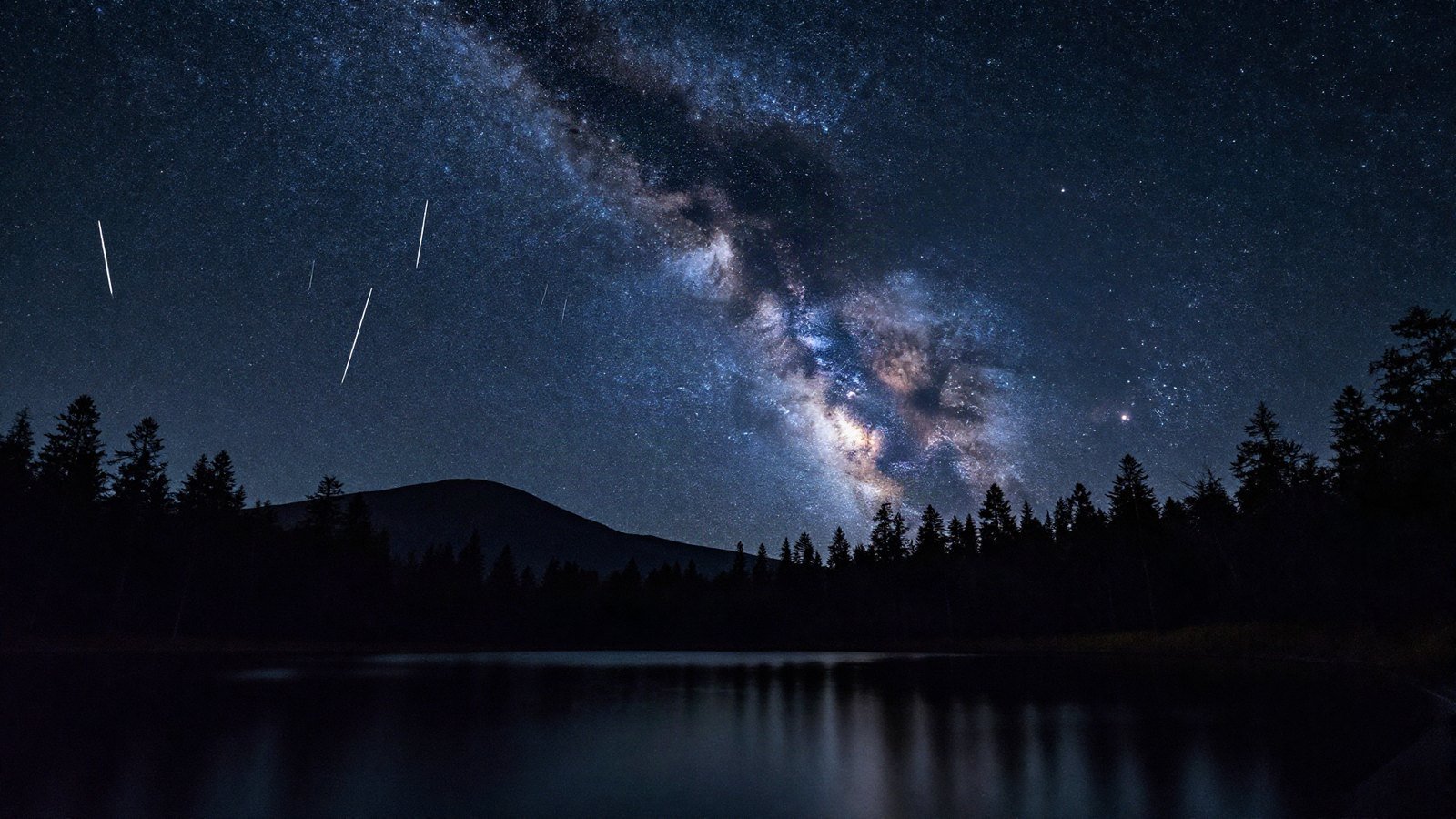
With no moonlight to wash them out, this year's Perseid meteor shower delivered rates of 50 to 75 meteors an hour at dark sites on the night of 12-13 August, on the same date as Europe's total solar eclipse.
Europe's First Total Solar Eclipse Since 1999 Sweeps From Greenland to Spain
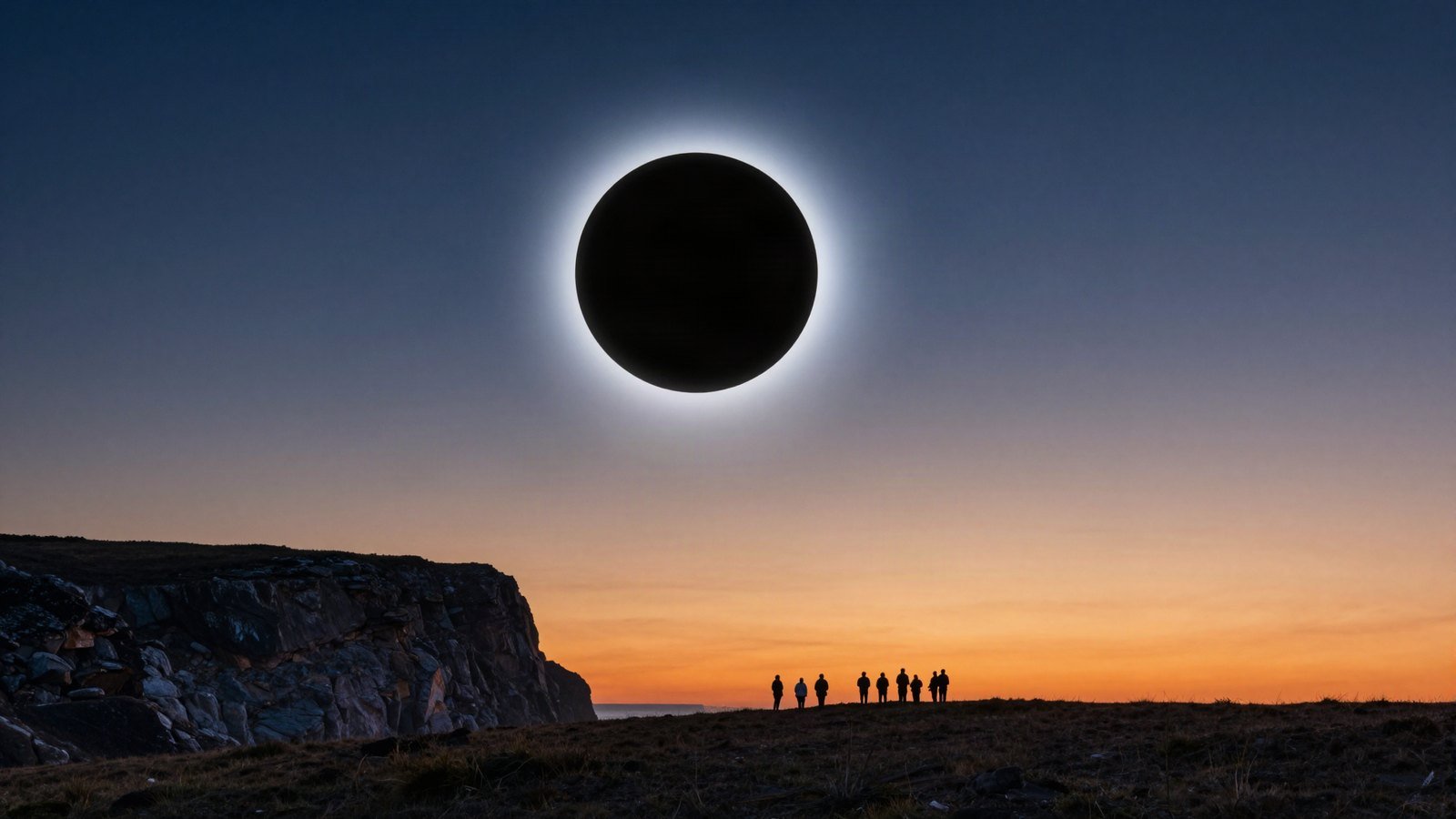
The Moon's shadow crossed Siberia, Greenland, Iceland and northern Spain on Tuesday evening, giving mainland Spain its first totality since 1905 and drawing millions into the path for up to 2 minutes 18 seconds of darkness.

Chick-fil-A Turns Chicken and Waffles Into a Sandwich, Nationwide From August 24
The chain's autumn line-up pairs maple waffles, bacon and honey butter in breakfast and entree sandwiches, joined by s'mores-flavoured shakes and frosted coffee, after a 2025 regional test earned a national rollout.
America's Summer of Flight Disruption Deepens, With Storms, Staffing Gaps and Rebooking Waits Stretching to Three Days
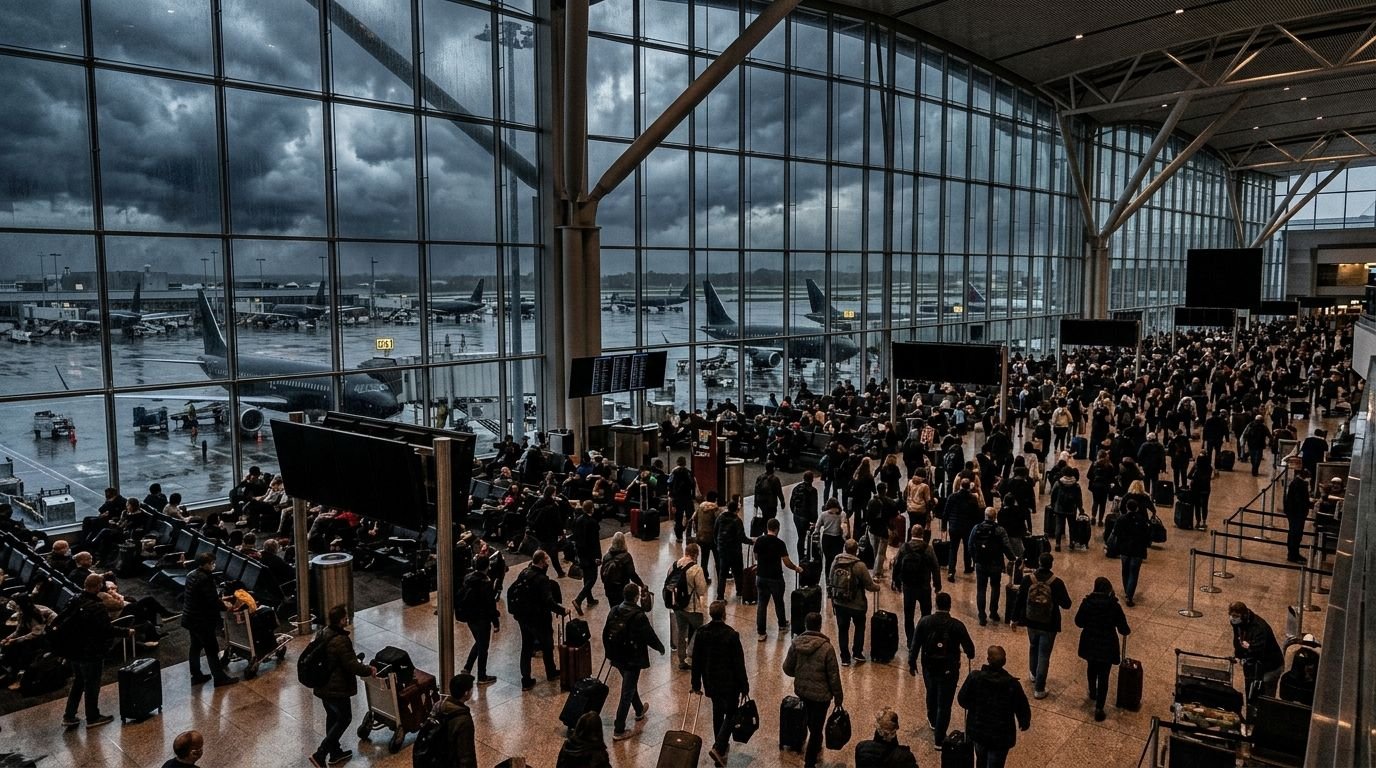
Nearly 10,000 US flights were delayed in a single day this week, and thinner airline schedules mean cancelled passengers can wait days for a seat.