The Perseids Peak Under a New Moon, and the Sky Put On Its Best Show in Years
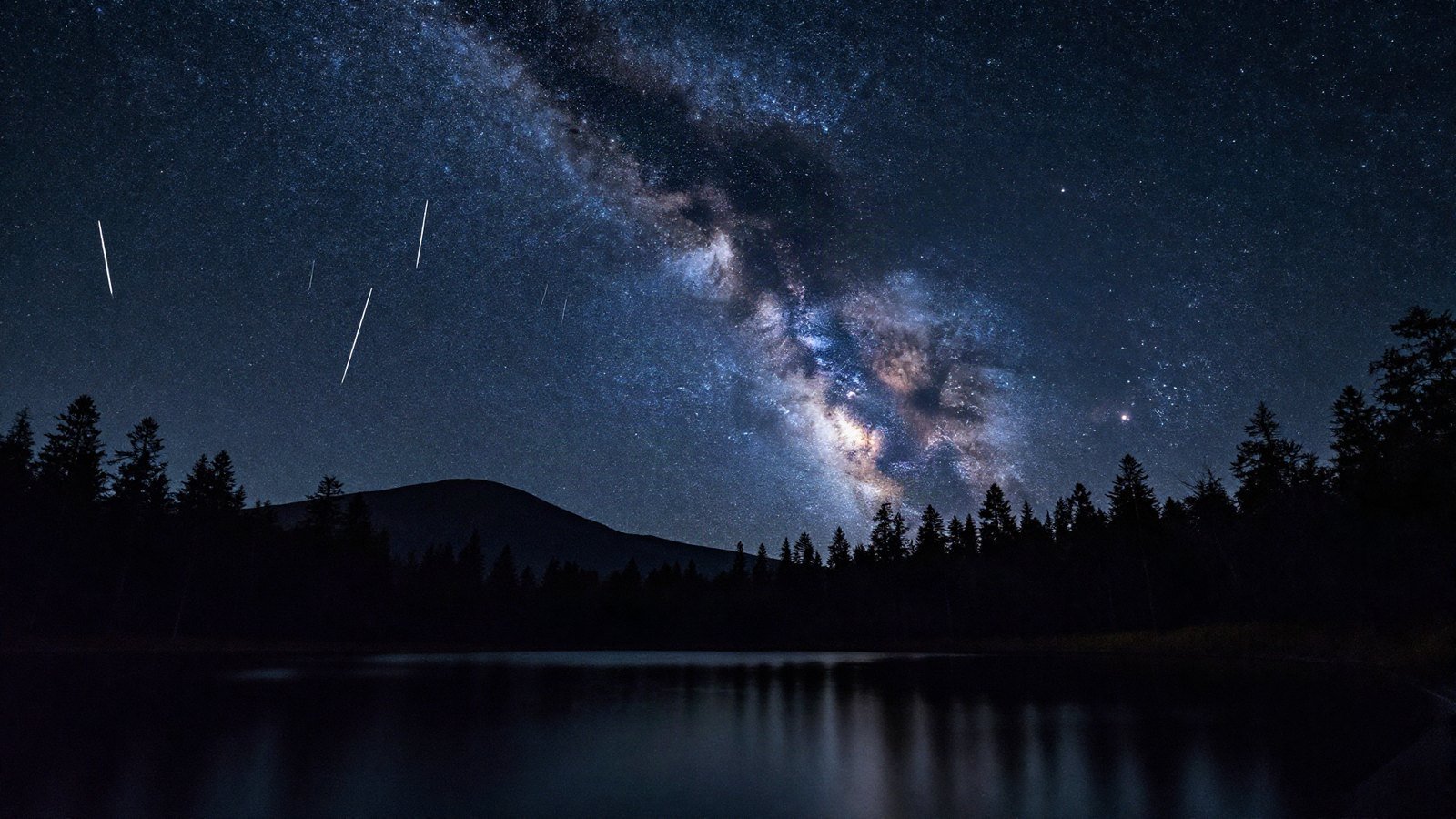
With no moonlight to wash them out, this year's Perseid meteor shower delivered rates of 50 to 75 meteors an hour at dark sites on the night of 12-13 August, on the same date as Europe's total solar eclipse.
Commentary & Analysis ·
Verified key facts
- The 2026 Perseid meteor shower peaked on the night of 12-13 August, with the broad maximum stretching from 21:00 GMT on the 12th to 09:00 GMT on the 13th and highest rates expected between 02:00 and 04:00 GMT.
- A new moon during the peak created ideal dark-sky conditions, with 50 to 75 meteors per hour expected at dark sites and up to 100 under perfect conditions, per EarthSky and Space.com.
- Best viewing ran from about 11pm local time through the predawn hours on both peak mornings.
- The Perseids arise from debris shed by comet Swift-Tuttle, which Earth crosses every August.
- The peak coincided with the 12 August total solar eclipse over Iceland and Spain, the same new moon enabling both events.
The year the Perseids got their sky back
The Perseids are the people's meteor shower, warm-weather, reliable, generous, but most years the Moon takes a cut of the show. Not this one. The 2026 peak arrived on the night of 12-13 August under a new moon, and with no lunar glare to wash out the faint majority of meteors, dark-site observers were treated to rates of 50 to 75 an hour, with bursts approaching 100 under ideal conditions, per EarthSky and Space.com's coverage.
Astronomy writers had circled this date for years precisely because of the lunar arithmetic: a moonless Perseid peak is roughly a once-in-a-decade alignment, and the difference in what the eye can catch is dramatic.
When and where the show was best
The shower's broad maximum stretched from 21:00 GMT on 12 August to 09:00 GMT on the 13th, with the highest rates in the window from 02:00 to 04:00 GMT. Translated to local skies, the advice held its usual shape: worthwhile from about 11pm, building after midnight, best in the hour or two before dawn, on both peak mornings.
Location did the rest. City observers catch only the brightest fireballs; a genuinely dark site multiplies the count several-fold, which is why parks services and dark-sky reserves across the northern hemisphere reported crowds camped out for the night.
What you were actually seeing
Every Perseid is a grain of comet Swift-Tuttle, shed along the comet's orbit and swept up as Earth ploughs through the debris stream each August. The particles strike the atmosphere at around 59 kilometres per second, and the streaks radiate from a point in the constellation Perseus that climbs the northeastern sky through the night.
The shower's signature is the fireball, occasional meteors bright enough to cast shadows and leave glowing trains that linger for seconds. A moonless year is when those trains get their full audience.
The eclipse coincidence
This year's peak carried a cosmic footnote: the same new moon that darkened the Perseids' sky passed directly in front of the Sun hours earlier, producing the total solar eclipse that swept Greenland, Iceland and Spain on 12 August. One lunar cycle, two of the sky's greatest spectacles, hours apart.
Observers in the eclipse path who stayed out after twilight effectively attended a double feature no promoter could book: totality at sunset, meteors till dawn.
If you missed the peak
The Perseids do not end abruptly; activity continues at declining rates through late August, and the moonless window lingers for several more nights. A patient hour after midnight this week can still yield a respectable count, especially away from city light.
The technique is unchanged and unimprovable: no telescope, no binoculars, just the widest view of the sky you can find, twenty minutes for your eyes to adapt, and a direction of gaze roughly half the sky away from Perseus to catch the longest streaks.
Why moonlight matters so much
The Perseids' hourly rates are dominated by faint meteors, and even a half-illuminated Moon erases most of them; a bright gibbous Moon can cut visible counts by two-thirds or more. That arithmetic is why the same shower can feel spectacular one year and modest the next despite identical underlying activity.
New-moon peaks like this one are the calibration years, when casual observers finally see the shower astronomers describe. The next comparably dark Perseid maximum is years away, which turned this week's peak into the shower's showcase edition for the decade.
The shower's long history
The Perseids are among humanity's oldest recorded celestial events, noted in Chinese annals nearly two millennia ago and long known in European folk tradition as the tears of St Lawrence, whose feast falls on 10 August. Their parent comet, Swift-Tuttle, was identified in 1862 and last passed through the inner solar system in 1992.
Each August's display is thus a rendezvous with debris shed across centuries of the comet's orbits, some of the particles burning up this week left the comet before the telescope was invented. Few natural events connect a casual observer to deeper time so directly.
The next good years
Meteor watching rewards calendar literacy. December's Geminids, the year's most prolific shower, arrive with their own lunar circumstances to check, and the Perseids' next largely moonless peak is years out, part of why 2026's edition drew the crowds it did.
For those who made it out, the night delivered what the forecasts promised: the old reliable of meteor showers, running at full brightness for once, under the darkest August sky the decade will offer.
Sources
- EarthSky - Perseid meteor shower 2026
- Space.com - Perseids peak under perfect skies
- timeanddate.com - Don't miss the Perseids 2026
- The Planetary Society - Perseid shower guide
You may also like to read

Lima Lands the World's 50 Best Restaurants 2026 in a First for South America
The World's 50 Best Restaurants ceremony will be held in Lima on 4 November 2026, the first South American host city in the awards' 24-year history.
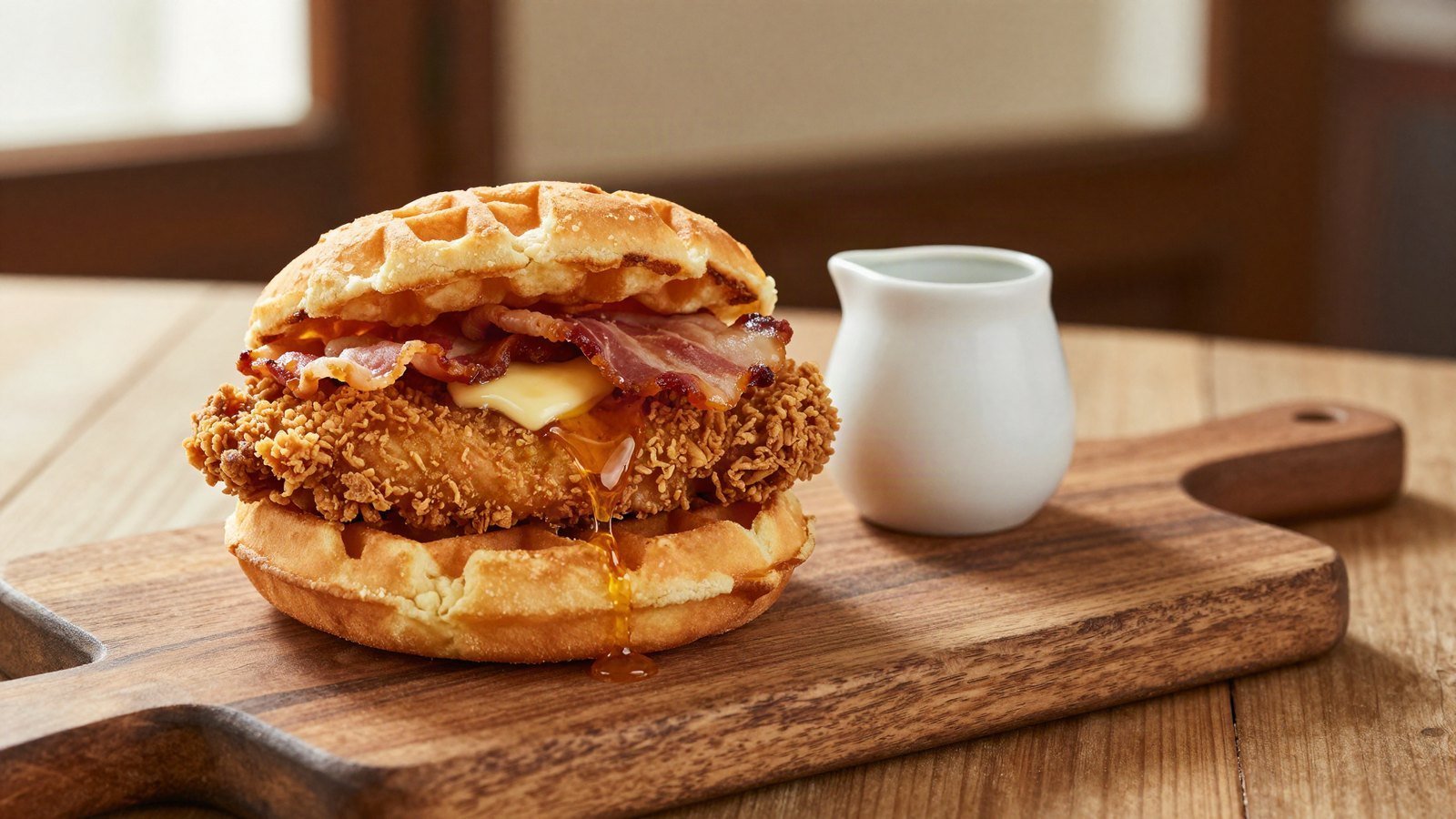
Chick-fil-A Turns Chicken and Waffles Into a Sandwich, Nationwide From August 24
The chain's autumn line-up pairs maple waffles, bacon and honey butter in breakfast and entree sandwiches, joined by s'mores-flavoured shakes and frosted coffee, after a 2025 regional test earned a national rollout.

At the Singapore Food Festival, hawker heritage takes centre stage over fine dining
The Singapore Food Festival returns from 10 to 26 July 2026, putting hawker heritage, night noodle markets and young chefs at the heart of the city.

Oman opens a new door to Asia, wagering that quiet heritage beats headline crowds
Oman Air's new Muscat-Singapore route, launched on 2 July 2026, anchors a wider push to court Asian travellers with heritage over headline crowds.