Trump Rules Out Extending the Iran Ceasefire as Tehran Signals a Fully Offensive Posture
The temporary truce has expired with no successor deal, and a senior Iranian official says Tehran will now shift to a fully offensive military footing.
Commentary & Analysis ·
Verified key facts
- President Trump told reporters that Iran is unlikely to agree to the deal he wants and ruled out extending the temporary ceasefire, which has now expired, per CNN's live coverage on 18 August.
- A senior Iranian official told Reuters that Iran will shift to a 'fully offensive' military posture because efforts to negotiate a permanent end to the war have stalled.
- Trump also threatened military action against Oman if it obstructed efforts to reopen the Strait of Hormuz, according to the same reporting.
- The UAE said it had detected a missile threat during the same period, per CNN.
- No date has been set for a further round of negotiations.
A truce that ran out without a successor
The temporary ceasefire between the United States and Iran has expired without a replacement, and President Donald Trump has ruled out extending it. Speaking to reporters on Monday, Trump said Iran was unlikely to agree to the deal he wants and called instead for its surrender, according to CNN's live coverage of the day's developments.
That is a markedly different posture from the one that produced the pause in the first place. A temporary halt is usually a device for buying negotiating time; letting it lapse without a successor arrangement removes the scaffolding that had been holding the fighting below its previous intensity, and it does so at a moment when neither side has publicly moved from its stated position.
Tehran's answer
Iran's response arrived through the same channel that has carried most of its signalling in this conflict: an unnamed senior official, speaking to Reuters. Tehran, that official said, will now shift to a 'fully offensive' military posture, on the grounds that efforts to negotiate a permanent end to the war have stalled.
The phrase is doing deliberate work. Through the truce period Iran's public framing was reactive, casting its operations as responses to American and Israeli action. Describing the new footing as fully offensive drops that framing, and tells regional governments and shipping operators to plan for Iranian initiative rather than Iranian reply.
The Hormuz problem, and a threat aimed at Oman
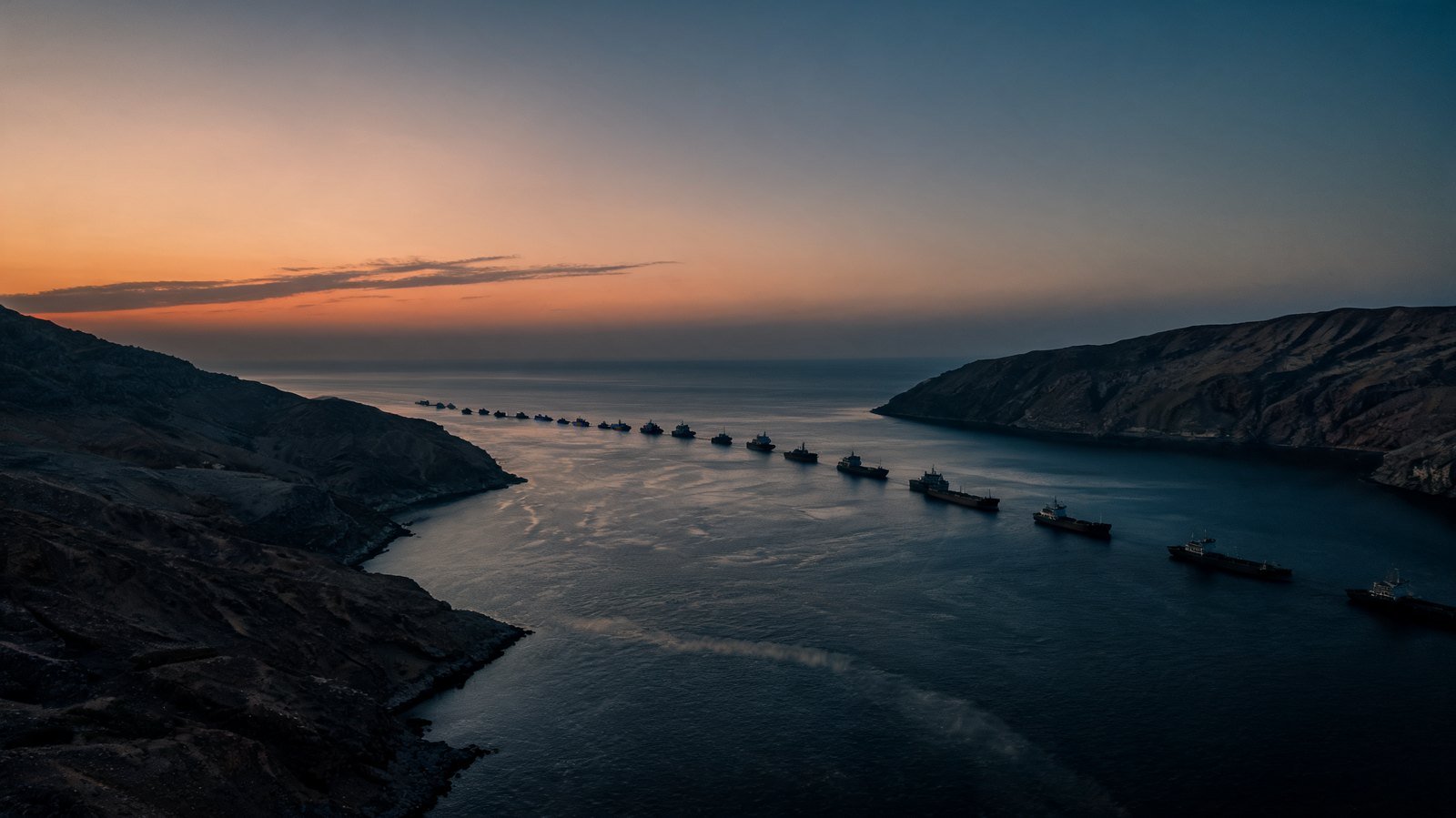
The Strait of Hormuz has been the conflict's economic centre of gravity throughout, and it surfaced again in unusually blunt terms. Trump threatened to bomb Oman if it obstructed efforts to reopen the strait, per the reporting collected in Just Security's daily briefing.
Oman's position in this war has been the quiet one. It has historically served as the region's back channel to Tehran, hosting talks that neither Washington nor Iran could hold openly, and it sits on the southern shore of the strait itself. A public threat against a state that has functioned as an intermediary narrows the space in which any future mediation could happen.
What expiry actually changes on the ground
A lapsed ceasefire does not automatically mean an immediate escalation, and it would be wrong to read it that way. What it changes is the default: during the truce, an incident was something both sides had an agreed mechanism to contain, and each had a reason to characterise it as an exception. Without that, an incident is simply the state of affairs.
The UAE reported detecting a missile threat during the same window, per CNN. Whatever its origin, an alert of that kind in Gulf airspace with no truce in force is exactly the class of event that previously would have been managed through the pause and now has nowhere to be managed.
The bargaining logic on both sides
Trump's calculation appears to be that pressure produces terms, and that a truce Iran uses to reconstitute is worth less than the leverage of resumed operations. Calling for surrender rather than a settlement sets a ceiling on what any negotiation could deliver, because no government accepts a demand phrased that way.
Tehran's calculation is the mirror image. Having concluded that talks are stalled, it gains little from continued restraint and something from demonstrating that the cost of no deal is borne by the other side too. Both positions are internally coherent. Together they describe a conflict with no current path to a negotiated end.
What neither position accounts for is the third party in the room. Gulf states that host American facilities, move their exports through the strait and maintain working relations with Tehran have spent the truce trying to keep both channels open. An expired ceasefire and a public threat against Oman narrow their room to do that, and their choices over the coming weeks will shape the conflict more than either capital's rhetoric.
The economic transmission line
Every previous phase of this war has priced through the same channel: the strait, war-risk insurance, and the tanker traffic that carries a substantial share of the world's seaborne crude. Those premiums fell during the truce and are the first thing that will move if the offensive posture becomes visible in practice.
For importing economies the mechanism is well established by now. Higher shipping and insurance costs feed energy prices, energy prices feed headline inflation, and headline inflation constrains central banks that had begun to see their way toward easing. A truce lapsing in the Gulf is not only a security event.
Whether Oman can still mediate
The concrete markers from here are narrow and identifiable. The first is whether any date is set for a further round of talks; none has been. The second is whether Oman continues to play an intermediary role after being threatened publicly, or steps back from it.
The third is what 'fully offensive' turns out to mean operationally, because the phrase has been used and no action has yet been attached to it. Until one is, it remains a negotiating signal as much as a military one.
Sources
- CNN - Live updates, Trump says no talks underway with Iran, 18 August 2026
- Reuters - Senior Iranian official on offensive posture
- Just Security - Early Edition, 18 August 2026
- CNN - UAE detects missile threat
You may also like to read
US strikes on Iran continue as interim truce collapses over Hormuz dispute
US bombing has entered a third week after a June memorandum broke down. Washington and Tehran blame each other as the Strait of Hormuz stays contested.
Analysts Say Iran Is Setting the Tempo in a Prolonged War With the United States
Analysts describe Tehran using regional disruption and endurance, not a single decisive battle, to shape US choices, as mediators keep searching for an off-ramp.
Strait of Hormuz Disruption Drives Oil Risk and a Global Naval Response
Iranian actions and threats sharply cut shipping through the world's key oil chokepoint, as the US and partners escorted vessels and sought guaranteed passage.
US Airstrikes Hit Tehran Area for First Time as Iran Counts Rising Toll
American strikes reached the Iranian capital's outskirts on day five of renewed war, with Iran reporting 35 dead and its negotiator calling the fight existential.