Trump Nominates Heidi Overton, a White House Policy Aide, to Run the Food and Drug Administration
The surgeon and domestic policy adviser would inherit an agency that has lost more than 3,000 staff and has been without a confirmed head since May.
Commentary & Analysis ·

Verified key facts
- President Donald Trump announced the nomination of Heidi Overton as FDA commissioner on his Truth Social account on 19 August, according to the Regulatory Affairs Professionals Society.
- Overton is deputy director of the White House Domestic Policy Council and previously served as vice chair and chief policy officer of the America First Policy Institute, per NPR.
- She was a general surgery resident at Johns Hopkins University, where she also completed a PhD in clinical investigation, and graduated in medicine from the University of New Mexico.
- She would replace Marty Makary, who resigned in May after clashes with the White House over issues including fruit-flavoured vapes and access to abortion pills, NPR reported.
- The FDA has lost more than 3,000 staff, according to reporting cited by MM+M.
- The nomination requires Senate confirmation; NPR reported she has strong White House backing, including a close relationship with chief of staff Susie Wiles.
The announcement
President Donald Trump has nominated Heidi Overton, the deputy director of the White House Domestic Policy Council, to lead the Food and Drug Administration. The Regulatory Affairs Professionals Society reported that the announcement came via Trump's Truth Social account on 19 August, and CNN and NBC News confirmed the choice the same week.
The post has been vacant since May, and the nomination requires Senate confirmation. If confirmed, Overton would take charge of an agency that regulates roughly a fifth of every dollar Americans spend, covering drugs, devices, most of the food supply, tobacco and vaping products.
Who Overton is
Overton is a physician with a research background rather than a regulatory one. She graduated in medicine from the University of New Mexico and was a general surgery resident at Johns Hopkins University, where she also completed a PhD in clinical investigation, according to NPR.
Her policy career runs through the conservative movement rather than the agencies. Before joining the administration she was vice chair and chief policy officer of the America First Policy Institute, and at the Domestic Policy Council she has helped shape the administration's positions on vaccines, food policy and drug pricing.
That combination is unusual for the post. Recent commissioners have tended to arrive either from academic medicine, as Makary did from Johns Hopkins, or from within the agency's own review structure. Overton would be the first in some time to come directly from the building that has spent the past year applying pressure to the FDA's decisions.
Why the job was open
Marty Makary, Trump's first FDA commissioner of this term, resigned in May. NPR reported that the departure followed clashes with the White House over questions including pressure to authorise fruit-flavoured vapes and access to abortion pills.
That history frames the appointment. The previous commissioner left over the boundary between agency judgement and White House preference, and the replacement is drawn from the White House itself, which is the clearest possible statement about how the administration intends that boundary to be drawn.
The agency she would inherit
The FDA has lost more than 3,000 staff, according to reporting cited by MM+M, a contraction that reaches reviewers, inspectors and the scientific staff who assess applications. Every statutory deadline the agency works to assumes a workforce it no longer has.
It is also carrying live crises. The agency has spent the summer on foodborne illness, including a cyclosporiasis outbreak linked to recalled iceberg lettuce that has run past 10,000 illnesses, and salmonella investigations covering eggs and jalapeño peppers. Those are inspection-intensive problems arriving as inspection capacity falls.
The drug side carries its own backlog. User-fee agreements commit the FDA to reviewing applications within fixed windows, and those commitments do not adjust for headcount. When reviewers leave, the deadlines remain, which means the pressure lands on the depth of each review rather than on the published timetable.
The experience question
The most common criticism of the nomination is managerial rather than ideological. NPR noted that Overton has little experience running large organisations or federal agencies, and the FDA employs upwards of 18,000 people across centres with distinct scientific cultures and statutory regimes.
Her advantage is political weight. She benefits from a close relationship with chief of staff Susie Wiles and an existing rapport with Trump, which in an agency whose last leader resigned over White House pressure may prove more useful than an operational record. Whether internal standing translates into protecting reviewers from that same pressure is the open question.
The comparison being drawn is with Makary, who arrived with a national profile and academic credibility and found neither sufficient when the disagreements became specific. An appointee who owes her standing to the same building that applied the pressure starts from a different position, for better and for worse.
What the confirmation hearing will test
Senators are expected to press her on the specific disputes that ended Makary's tenure, since those questions test in advance whether she would take a different view under the same pressure. Vaccine policy, flavoured vapes and medication abortion are all live.
Reporting on the nomination has noted that the hearing is likely to probe loyalty to the president as much as scientific judgement, following the pattern of earlier confirmation hearings for this administration's health appointees. Reaction to the nomination has been mixed, with support from allies of the administration's health agenda and concern from those who read the choice as a further weakening of the agency's independence.
The industry view is quieter and more practical. Drug and device manufacturers care principally about whether reviews are predictable, and a commissioner with genuine White House standing can be an asset if that standing is used to defend the agency's timetables and its budget rather than to override its scientific staff.
Whether the Senate votes before the recess calendar closes
The practical variable is timing. A confirmation vote scheduled promptly would give the FDA a permanent head before the autumn, ending a leadership vacuum that has now run for three months at an agency in the middle of multiple outbreak investigations.
A delayed vote leaves the agency under acting leadership through the period when its remaining reviewers are already stretched. That interval, more than the eventual result, determines how much of the damage from the vacancy compounds.
Sources
- NPR - What to know about Dr. Heidi Overton, Trump's pick to lead the FDA
- Regulatory Affairs Professionals Society - Trump taps Heidi Overton as next FDA Commissioner
- CNN - Trump picks Dr. Heidi Overton to lead FDA
- NBC News - Trump nominates Heidi Overton to lead the FDA
- The Washington Post - Heidi Overton, White House aide, picked by Trump to lead FDA
You may also like to read

Two Salmonella Outbreaks Widen Across the US: 19 Million Eggs at the Highest Recall Level and Jalapeño Cases Pass 430
The FDA gave the Midwest Poultry egg recall its most serious classification as a separate jalapeño-linked outbreak reached 431 cases in 32 states.

FDA Raises Publix GreenWise Frozen Blueberry Recall to Its Highest Risk Level Over E. coli
Four GreenWise frozen berry products are now a Class I recall after 12 E. coli infections in Florida and Georgia, four of them requiring hospital care.
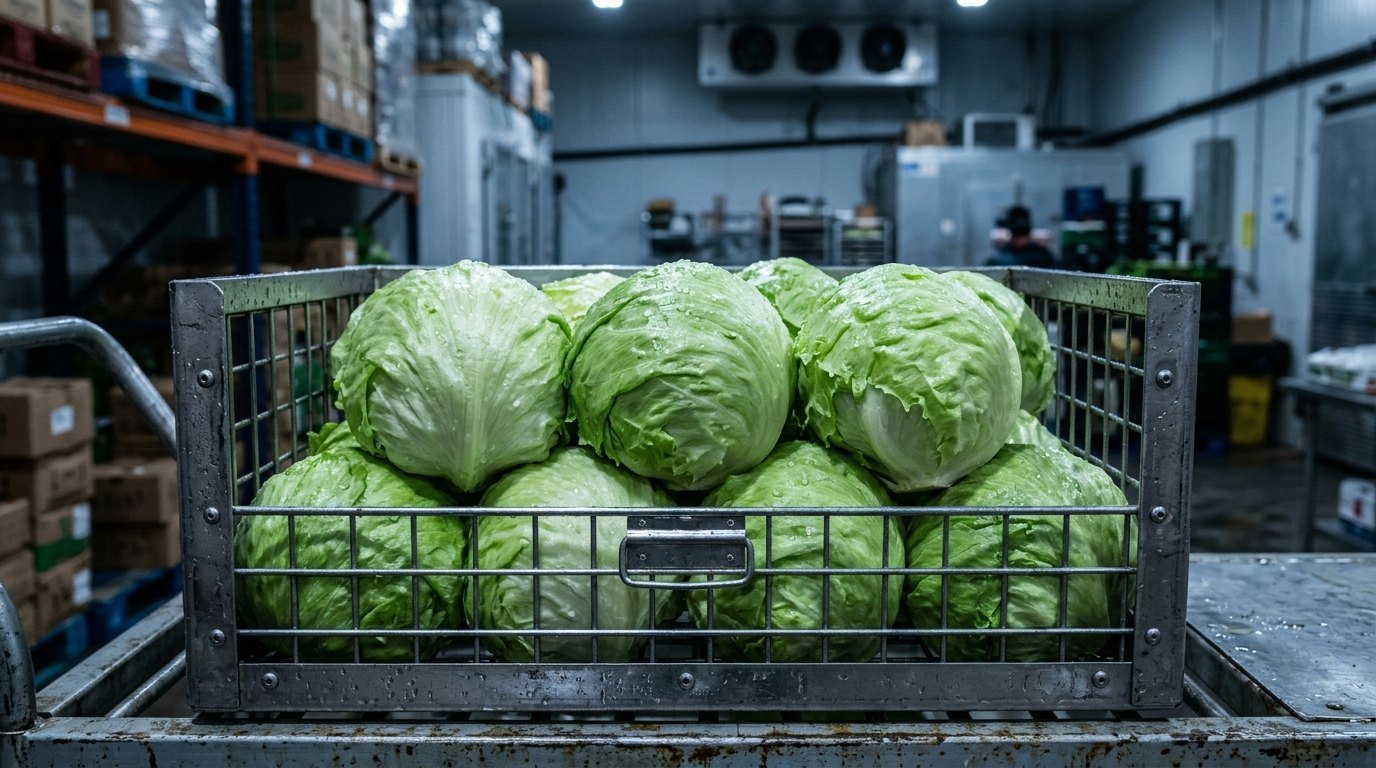
The Cyclospora Outbreak Traced to Recalled Iceberg Lettuce Reaches 10,930 Illnesses and Two Deaths
CDC counts 454 hospitalisations across 17 states, with both deaths in Michigan, in one of the largest parasitic foodborne outbreaks on record.
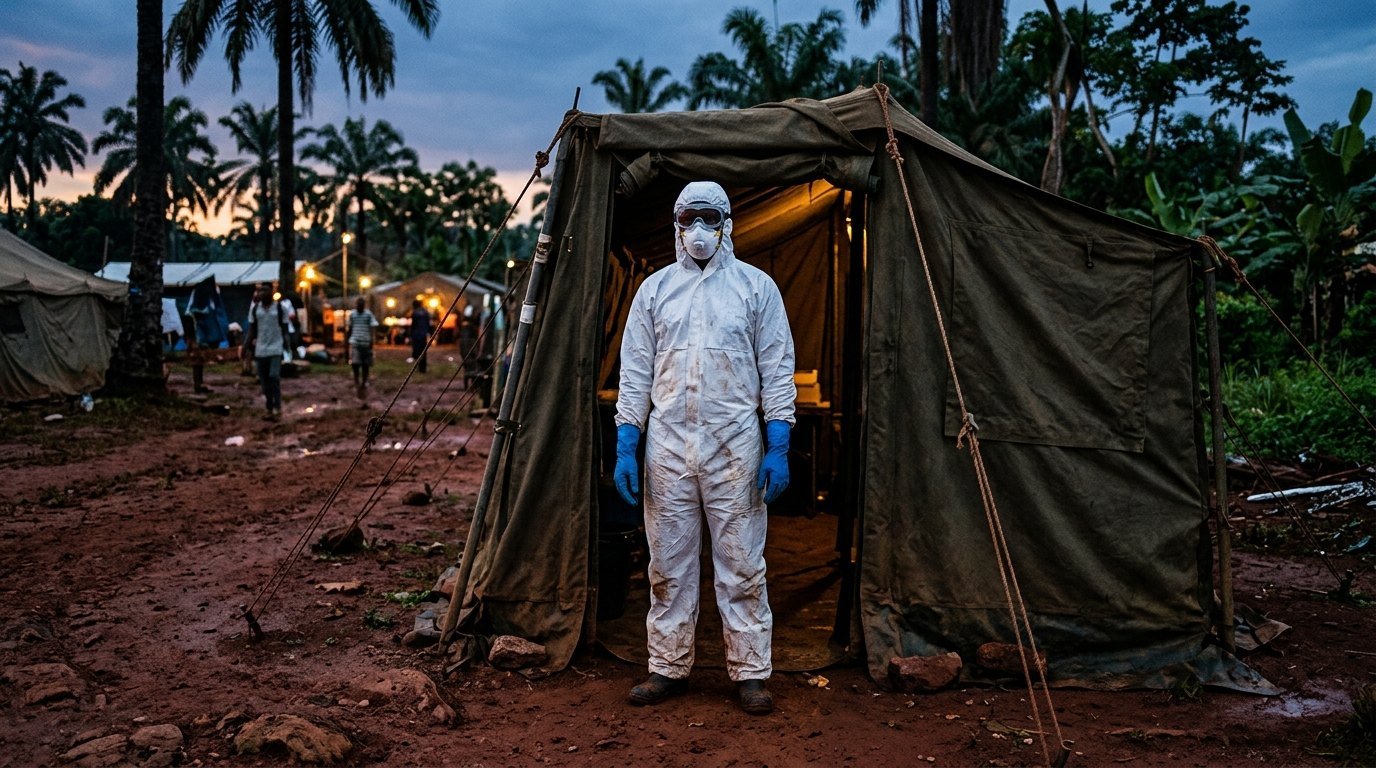
Congo's Ebola Outbreak Becomes the Deadliest in the Country's History, With 2,325 Deaths Across Six Provinces
The Bundibugyo virus epidemic has passed the toll of the 2018-2020 outbreak and now reaches 54 health zones, with the WHO warning it is outpacing relief.