Will Trump's Beef Import Plan Actually Cut Ground Beef Prices in 90 Days?
Trump plans a 90-day expansion of low-tariff ground beef imports as record prices collide with ranchers’ effort to rebuild the US herd.
Commentary & Analysis ·
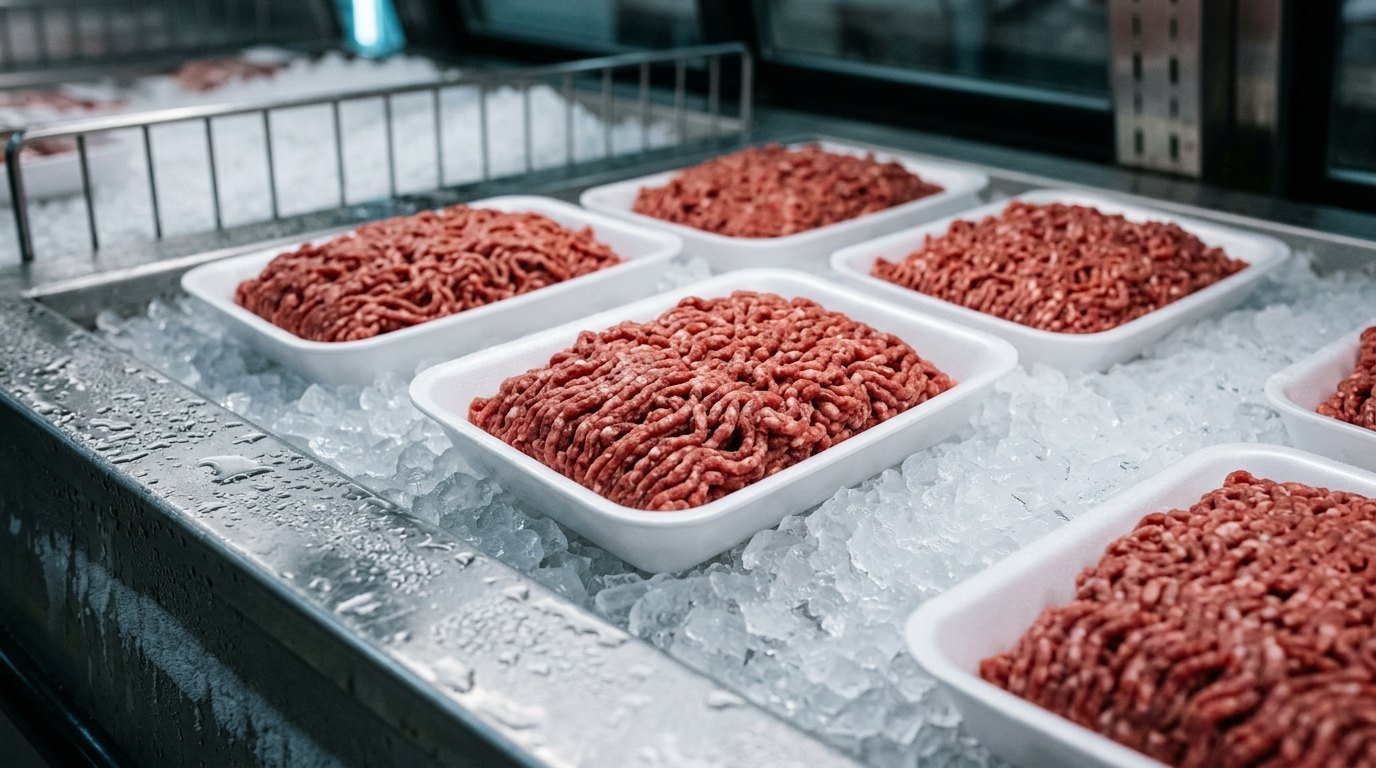
Ground beef averaged $6.885 a pound in July, about 74% higher than in January 2021, and the White House says imported meat will land at 25% below market. Whether that reaches your receipt is a different question, because exporters do not set supermarket prices. Here's how the 90-day tariff window works, why ranchers are against it, and what to watch before November.
Verified key facts
- Reuters: Trump said up to 300,000 metric tonnes of ground beef could enter for 90 days without the out-of-quota tariff.
- Axios: A White House official said foreign exporters had committed to a 25% below-market price, while Axios noted exporters do not control US retail prices.
- Bureau of Labor Statistics via FRED: Fresh 100% ground beef averaged $6.885 per lb in July 2026, compared with $3.965 in January 2021, an increase of about 74%.
- US International Trade Commission: Most in-quota unprocessed beef covered by the WTO tariff-rate quota pays 4.4 cents per kg, while the over-quota rate is 26.4%.
- Associated Press: Ranchers and Republican senators including Deb Fischer, Tim Sheehy and Pete Ricketts criticised the short-term import plan.
A price intervention aimed squarely at the supermarket aisle
Donald Trump's new beef plan is an unusually direct attempt to turn trade policy into a grocery-price instrument before the midterm elections. Reuters reported that the president intends to allow up to 300,000 metric tonnes of ground beef to enter the United States over 90 days without triggering the out-of-quota tariff. Trump said he had a "commitment" that the imported meat would be sold at 25% below current market prices. The White House has not publicly identified the supplying countries or the parties making that commitment. That missing detail matters because a tariff waiver occurs at the border, while consumers buy mince from grocers whose pricing also reflects processing, transport, retail margins and local competition. The announcement is therefore best understood as a supply shock the administration hopes will travel rapidly through the chain, not as a government-set shelf price.
The tariff-rate quota explains why 300,000 tonnes is a big lever
US beef imports from many countries operate under a tariff-rate quota. The US International Trade Commission describes a general structure in which qualifying unprocessed beef within quota pays 4.4 cents per kilogram, while imports above the quota face a 26.4% duty. Temporarily removing the higher rate for an extra 300,000 tonnes dramatically changes the economics for exporters that would otherwise be outside their allocation. Reuters says the arrangement is to run for 90 days, although an executive order formalising the mechanics was still expected within two weeks of Trump's announcement. For traders deciding whether to book cargoes now, that timing difference is material. The policy is not a permanent expansion of the quota system and it does not remove every tariff that can apply to every beef product or origin. Its economic force comes from suspending a steep marginal penalty at a moment of tight US supply.
The $6.885 July price is the political backdrop
Bureau of Labor Statistics average-price data, published through the Federal Reserve Bank of St Louis's FRED service, put fresh 100% ground beef at $6.885 per pound in July. The same series stood at $3.965 in January 2021, meaning the level is roughly 74% higher, close to the scale cited by the White House's allies and greater than the general rise in food prices over that span. BLS cautions that average-price series are best used to describe the dollar price in a given month rather than as the preferred inflation index. Even with that statistical qualification, the checkout experience is obvious: mince that once cost about four dollars a pound is now close to seven. Axios reported that affordability has become a central political vulnerability for Trump as the November midterms approach. Beef is particularly potent because consumers encounter the price weekly and can compare it with memory without consulting an index.
Ranchers see a threat to the herd-rebuilding signal
The cattle industry objects not simply because imports create competition, but because the timing collides with the biological cycle of rebuilding a herd. AP places the national cattle inventory near lows not seen for decades after drought, elevated costs and years of liquidation. High cattle prices are the signal that encourages producers to retain heifers rather than sell them, accepting lower current cash flow in exchange for more calves later. The National Cattlemen's Beef Association said the import decision risks sacrificing long-term stability for short-term messaging. If imported grinding beef depresses cattle values at the moment producers decide whether to expand, ranchers argue, the policy could slow the very rebuilding Trump says he wants to create space for. The administration is effectively betting that a 90-day window can relieve consumers without materially changing multi-year breeding decisions.
A 25% exporter discount is not the same as a 25% till reduction
Axios identified the most important commercial gap in the president's promise. A White House official said foreign exporters had committed to sell at 25% below market, but exporters ordinarily do not determine the final retail price. US importers, processors, wholesalers and supermarkets sit between the shipment and the shopper. Some may pass through most of the saving to gain market share; others may use part of it to rebuild margins or offset higher costs elsewhere. Ground beef is also often blended from domestic and imported lean trim, so the relationship between a cheaper imported tonne and a particular tray in a supermarket is not one-to-one. The administration can monitor prices and pressure retailers, but it has not described a contractual mechanism guaranteeing a 25% reduction at checkout. The distinction will decide whether the policy produces a visible political dividend.
America First criticism makes this more than an agriculture dispute
The backlash extends beyond farm lobbies. AP reported criticism from Republican senators in cattle states, while some America First figures have attacked the logic of relying on foreign supply to correct domestic prices. That exposes a tension inside Trump's economic programme. Tariffs are usually defended as a way to protect US producers and reshore supply; here the administration is temporarily removing a protective barrier precisely because domestic production cannot respond quickly enough. The White House answer is that the measure is temporary and gives the herd time to recover. Opponents answer that price signals are how recovery happens. Neither side disputes the shortage. The dispute is over who should bear the cost during the two-to-three-year cattle cycle: consumers facing record mince prices now, or producers who fear that policy-driven imports will weaken the incentive to expand.
The 90-day window will be judged before November
The calendar makes the experiment unusually testable. If the executive order is signed on the promised schedule, much of the 90-day import window will overlap the final run-up to the midterm elections. Weekly wholesale values, cattle futures and supermarket promotions will show whether extra quota access produces a measurable effect before voters cast ballots. Customs data will also reveal whether exporters can actually supply anything close to 300,000 tonnes on such short notice. A modest volume at a large discount could be absorbed without moving national prices; a rapid wave of imports could move grinding-beef markets while provoking louder producer opposition. The key number is not the announced tonnage but the shelf-price transmission. By the time the 90 days expire, the administration should be able to show whether its 25% claim was a delivered consumer saving or merely an upstream promise.
Sources
- Reuters (www.investing.com)
- Associated Press (apnews.com)
- Axios (www.axios.com)
- FRED / Bureau of Labor Statistics (fred.stlouisfed.org)
- US International Trade Commission (www.usitc.gov)
- Note: The 300,000-tonne measure was announced on 21 August; a formal executive order was still pending. The BLS/FRED series supports about a 74% increase from January 2021 to July 2026.
You may also like to read

Trump Pauses the 50% Canada Tariffs for Three Days as Ottawa and Washington Say a Deal Is Close
The duties on about US$20bn of Canadian goods were suspended less than two hours before they were due to take effect.

US Hits Canada With 50% Tariffs as Trade Deal Collapses at the Deadline
US tariffs of 50% on $20bn of Canadian goods are now in force after talks failed, with Ottawa planning retaliation from 8 September.
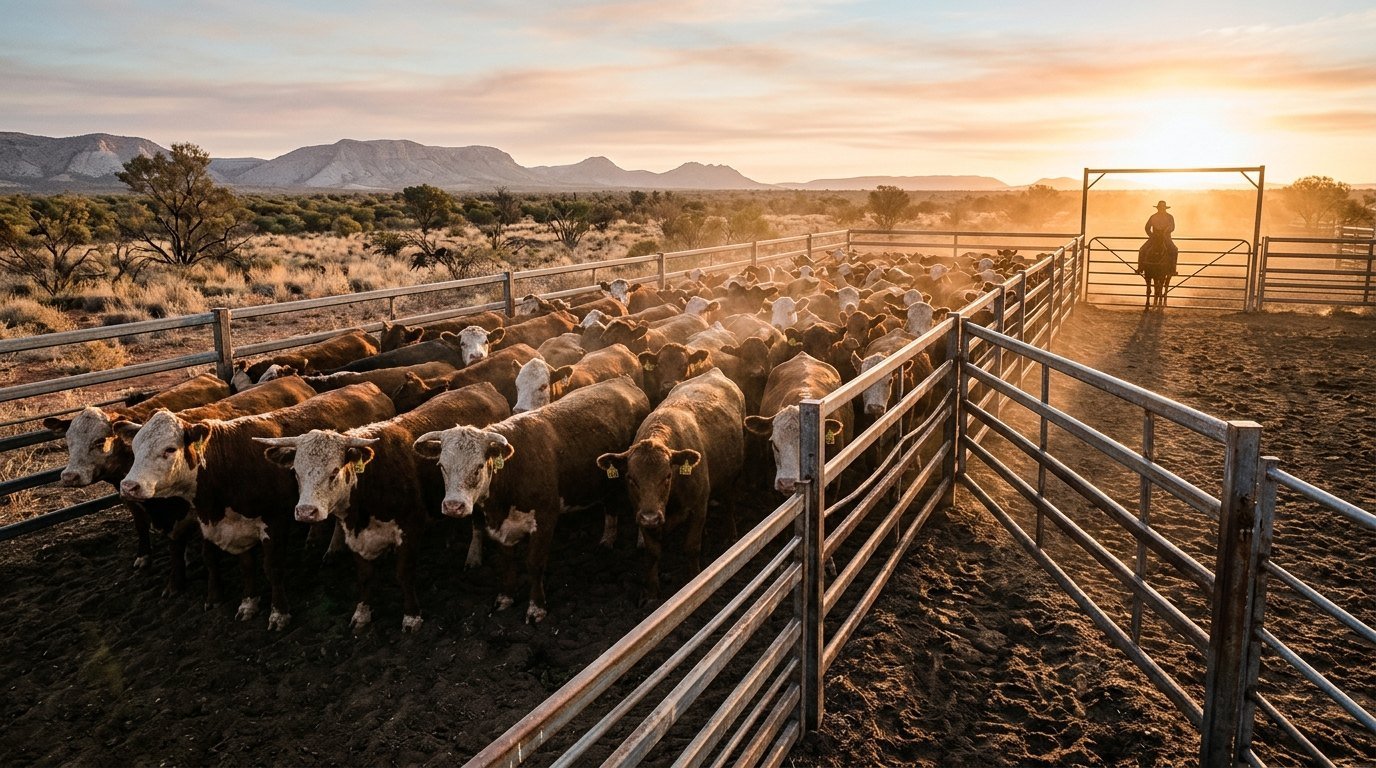
Mexican Cattle Exports Are Set to Resume on 24 August Under Tight Screwworm Controls
The Douglas, Arizona livestock gate will reopen on 24 August, restoring Mexican cattle exports under tighter New World screwworm screening.

The US Navy Is Discussing Renaming the Carrier Promised to Pearl Harbor Hero Doris Miller, and One Option Is USS Donald Trump
NBC News reports the Navy has stopped using the Doris Miller name internally for CVN-81, with a keel-laying ceremony expected by the end of 2026.