Drone strikes reshape Sudan's war as Kordofan aid crisis deepens
Aid groups warn escalating RSF drone strikes on North Kordofan are cutting off food, fuel and water, as the army and paramilitaries trade blame.
Commentary & Analysis ·
Verified key facts
- The International Rescue Committee warned on 2 July that escalating RSF drone strikes on El Obeid, in North Kordofan, risk paving the way for a ground offensive endangering hundreds of thousands of people.
- A United Nations fact-finding mission concluded on 9 July that RSF conduct during the 2024-2025 siege of El Fasher amounted to genocide, a charge the RSF rejects, according to Al Jazeera.
- The war that began in April 2023 has killed at least 59,000 people and displaced roughly 13 million, with famine reported in several areas, according to figures cited by aid agencies and the UN.
- Rights groups say RSF drone strikes have struck aid convoys and civilian vehicles near El Obeid, killing dozens, though independent verification remains limited.
A war increasingly fought from the sky
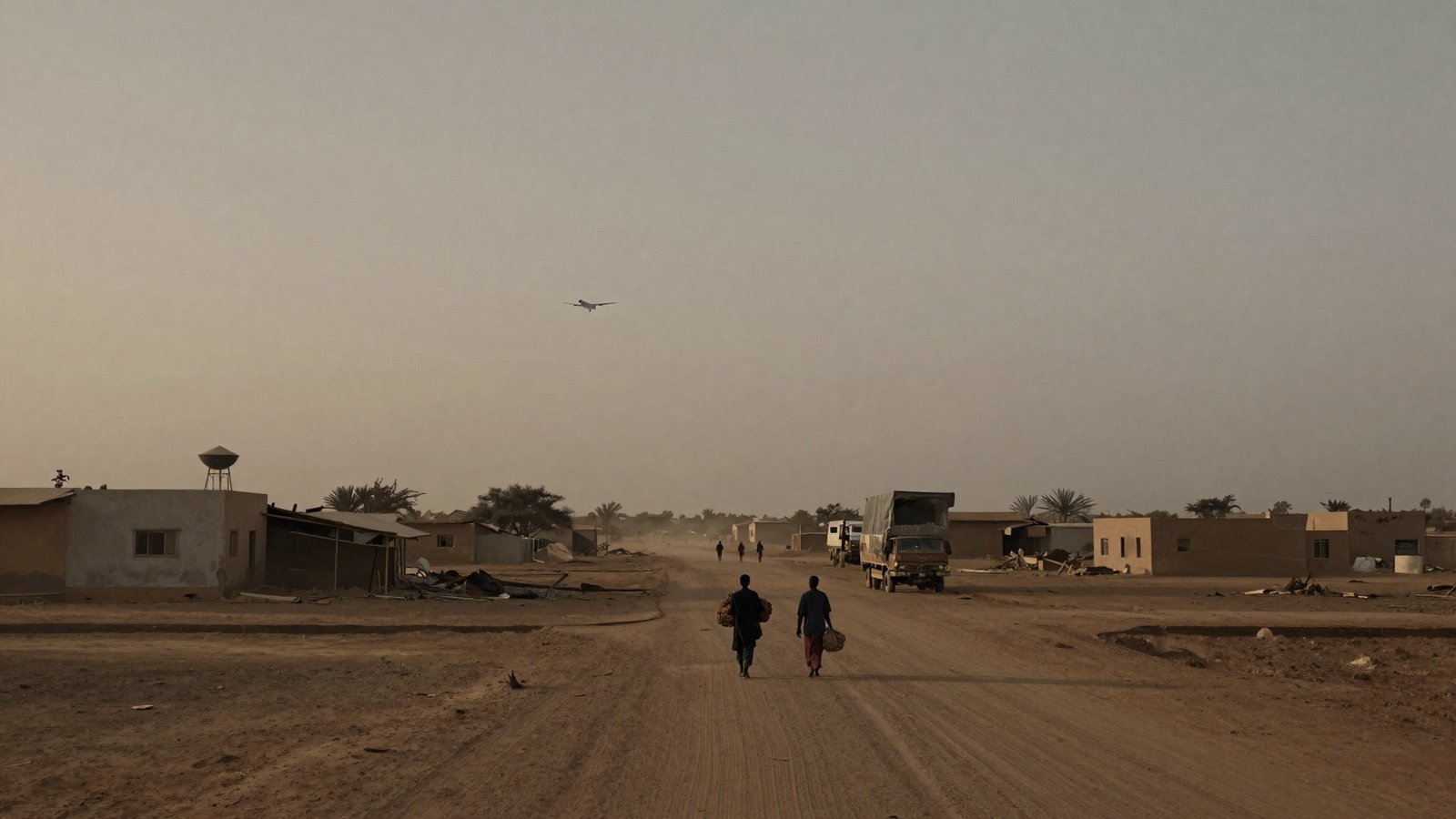
Sudan's conflict between the Sudanese Armed Forces (SAF) and the paramilitary Rapid Support Forces (RSF) has entered a phase defined by drone warfare. Both sides now deploy long-range attack drones far from front lines. Nowhere is the shift clearer than in Kordofan, the central region that links the capital to the western Darfur states.
Aid agencies say the strikes are hollowing out cities before any ground assault. Fuel depots, water stations and markets have been hit. The result, humanitarian workers report, is a slow strangulation of the services civilians need to survive or to flee.
What is happening in North Kordofan
The International Rescue Committee (IRC) issued a warning on 2 July. It said escalating RSF drone strikes on El Obeid, the North Kordofan state capital, were cutting off access to food, water and fuel. The group said the strikes could precede a ground offensive putting hundreds of thousands at grave risk.
Richard Data, the IRC's Sudan country director, described the stakes in stark terms. "When water stops running and fuel runs out, people cannot survive, and when roads are blocked, people cannot escape," he said. The IRC reported that nearly 2,000 people had already fled toward White Nile state in recent weeks.
Rights groups and news outlets have reported repeated drone strikes on civilian vehicles and aid convoys near El Obeid. The Saudi outlet Asharq Al-Awsat, citing rights monitors, reported strikes that killed at least 20 people. These accounts rely on local sources, and independent verification on the ground remains difficult.
The shadow of El Fasher
The alarm over Kordofan is shaped by events further west. The RSF captured El Fasher, the North Darfur capital, in October 2025 after an 18-month siege. A UN fact-finding mission concluded on 9 July 2026 that the paramilitaries' conduct there amounted to genocide, citing mass killings, sexual violence and deliberate starvation, according to Al Jazeera.
Amnesty International reached a related conclusion earlier in July. It said RSF forces had committed crimes against humanity and ethnic cleansing in and around El Fasher. The RSF has rejected findings of atrocities, and says it is fighting to remove an army-led government it considers illegitimate. The claims and denials remain contested.
A deepening humanitarian emergency
The human toll is measured in figures that carry large uncertainties. Aid agencies and the UN estimate the war has killed at least 59,000 people since April 2023. Around 13 million have been displaced, and more than 30 million people are said to need humanitarian assistance. Famine has been confirmed or projected in parts of the country.
Humanitarian officials stress that these numbers are conservative. Access restrictions, telecommunications blackouts and active fighting make casualty counts impossible to confirm independently. Aid convoys have themselves become targets, complicating the delivery of food and medicine to besieged towns.
The IRC said nearly 2,000 people had already fled North Kordofan toward White Nile state in recent weeks. It warned that White Nile lacks the capacity to absorb a larger influx. Aid workers fear a repeat of El Fasher, where encirclement preceded mass displacement and overwhelmed hospitals. Relief agencies say they are pre-positioning supplies where access allows, but that active drone activity limits their movements.
- El Obeid sits between roughly half a million residents and displaced people, with limited safe routes out, aid groups say.
- Attacks on fuel and water infrastructure have caused acute shortages for civilians, according to the IRC.
- The UN says famine conditions persist in several areas, though full assessments are hampered by insecurity.
What each side wants
The SAF, led by General Abdel Fattah al-Burhan, presents itself as the legitimate national army and has vowed to retake RSF-held territory. It regained control of Khartoum in 2025. The RSF, led by General Mohamed Hamdan Dagalo, controls much of Darfur and has pushed to consolidate a hold across the west.
Both forces accuse the other of targeting civilians and obstructing aid. Each frames its campaign as defensive. Analysts note that the drone escalation reflects growing external support to both sides, though the specific supply chains are disputed and denied by the governments named in various reports.
For Kordofan specifically, the two sides contest the region's strategic value. It links army-held central Sudan to RSF-held Darfur. Control of its roads shapes who can move fighters, fuel and food. That has made towns like El Obeid focal points, aid analysts say, and has placed their civilian populations directly in the path of the fighting.
Regional and international response
The United States and UN agencies have condemned strikes on aid deliveries and called for unhindered humanitarian access. Regional mediation efforts, involving neighbouring states and the African Union, have so far failed to produce a durable ceasefire. Diplomats say competing foreign interests have complicated a unified response.
Humanitarian appeals for Sudan remain severely underfunded, aid officials say. Agencies warn that a fresh assault on Kordofan could trigger displacement that neighbouring states lack the capacity to absorb.
Does El Obeid follow El Fasher?
The immediate question is whether El Obeid follows the trajectory of El Fasher. Aid groups fear encirclement, then assault. The SAF says it will defend the city. For now, residents describe living under the threat of strikes they cannot see coming, with dwindling means to leave.
Sources
- International Rescue Committee
- Al Jazeera
- Amnesty International
- Asharq Al-Awsat
You may also like to read
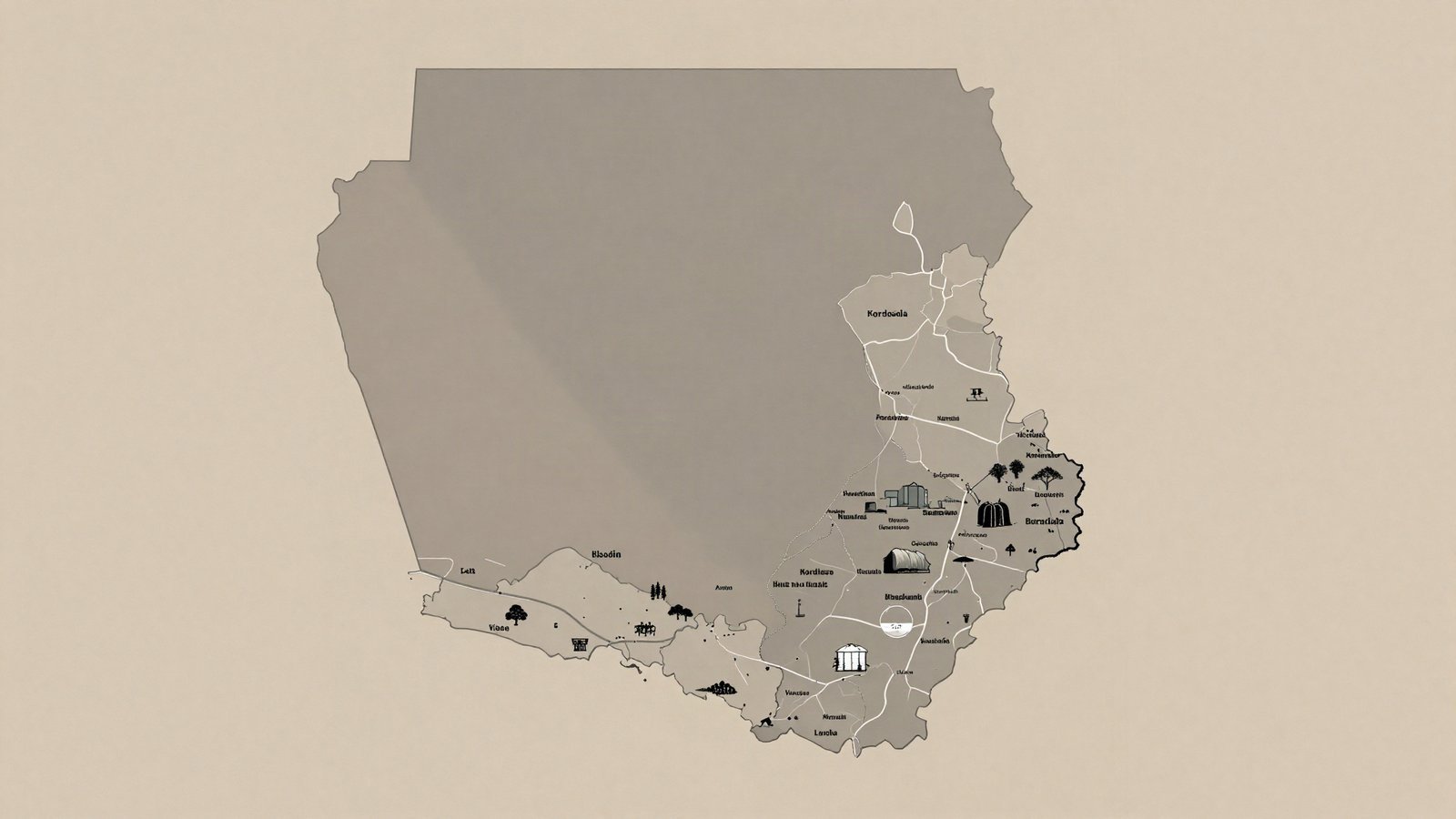
Sudan's Front Line Shifts to Kordofan and Blue Nile After the Country's De Facto Partition
With the capital no longer the focal point, fighting has moved to the regions linking Sudan's rival eastern and western zones, deepening a de facto partition.
Darfur Atrocities and El Fasher Control Keep Genocide Warnings at the Centre of Sudan's War
Reports of killings, displacement and blocked aid around El Fasher keep accountability and genocide warnings at the heart of concern over Sudan's war.
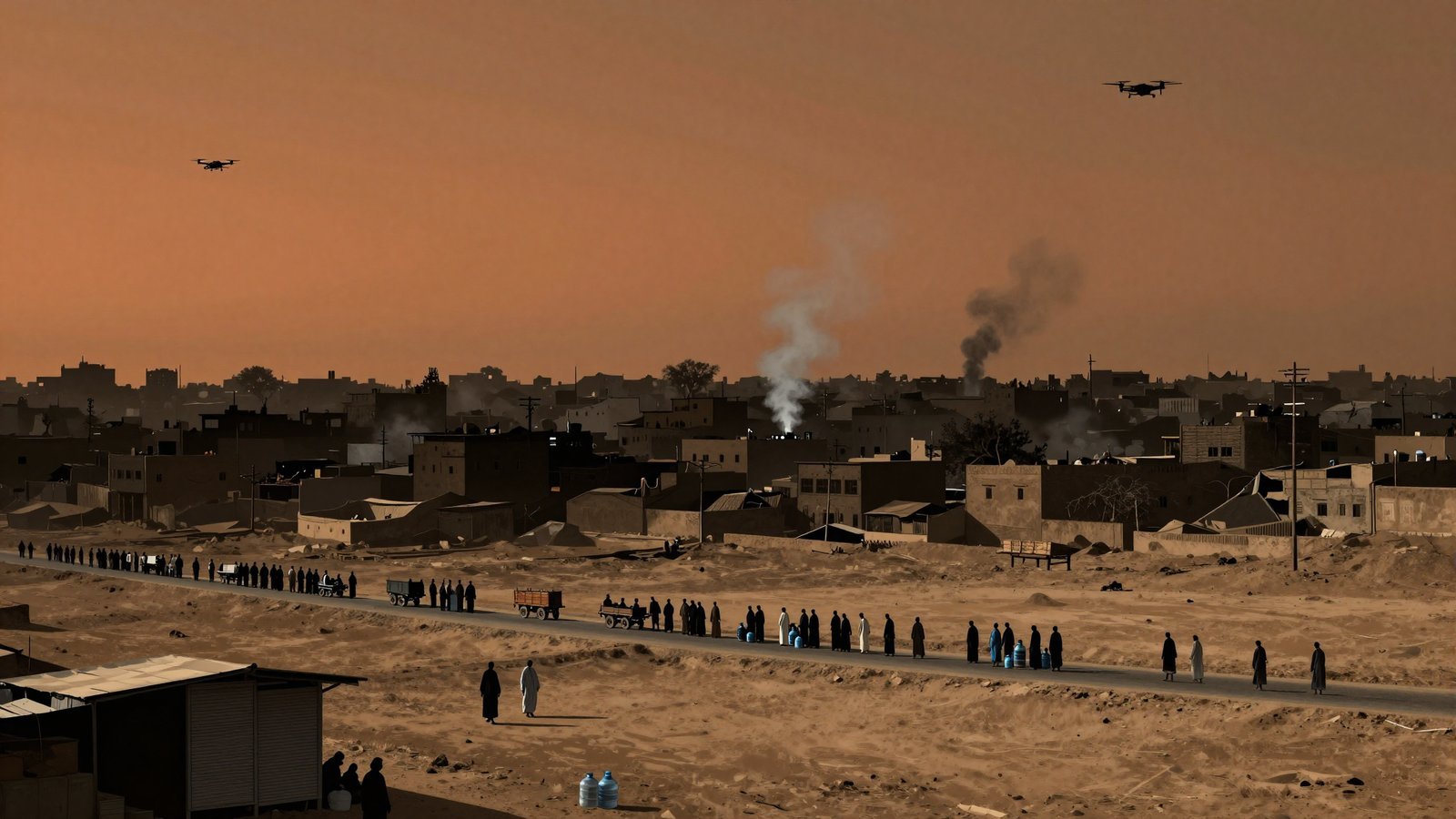
Half a Million Trapped as RSF Tightens Siege of Sudan's El Obeid
Escalating RSF strikes on El Obeid have trapped half a million people, cutting food, water and power as aid agencies warn of catastrophe.

Former Child Soldiers Describe Forced Recruitment and Colombian Mercenaries in Sudan's War
Testimony attributed to former child soldiers alleges the RSF abducted and forced them to fight, sometimes under foreign instructors, in accounts now being examined.