South Kivu Highlands Fighting Continues Despite Regional and US-Brokered Agreements
Clashes over strategic highland positions near Minembwe show that agreements brokered by regional and US mediators have yet to reach the fighters on the ground.
Commentary & Analysis ·
Verified key facts
- M23-aligned forces repelled attempts by Congolese forces and allied militias to retake key positions near Minembwe, per the reporting.
- The fighting involved hilltop positions, village control and movement along routes in Fizi and Mwenga.
- Each side accused the other of violating ceasefire commitments and targeting communities.
- Civilians face displacement, ethnic reprisals and blocked access to markets and health care.
- Local clashes can trigger broader Rwanda-Burundi-Congo escalation, analysts warn.
Agreements that have not reached the ground
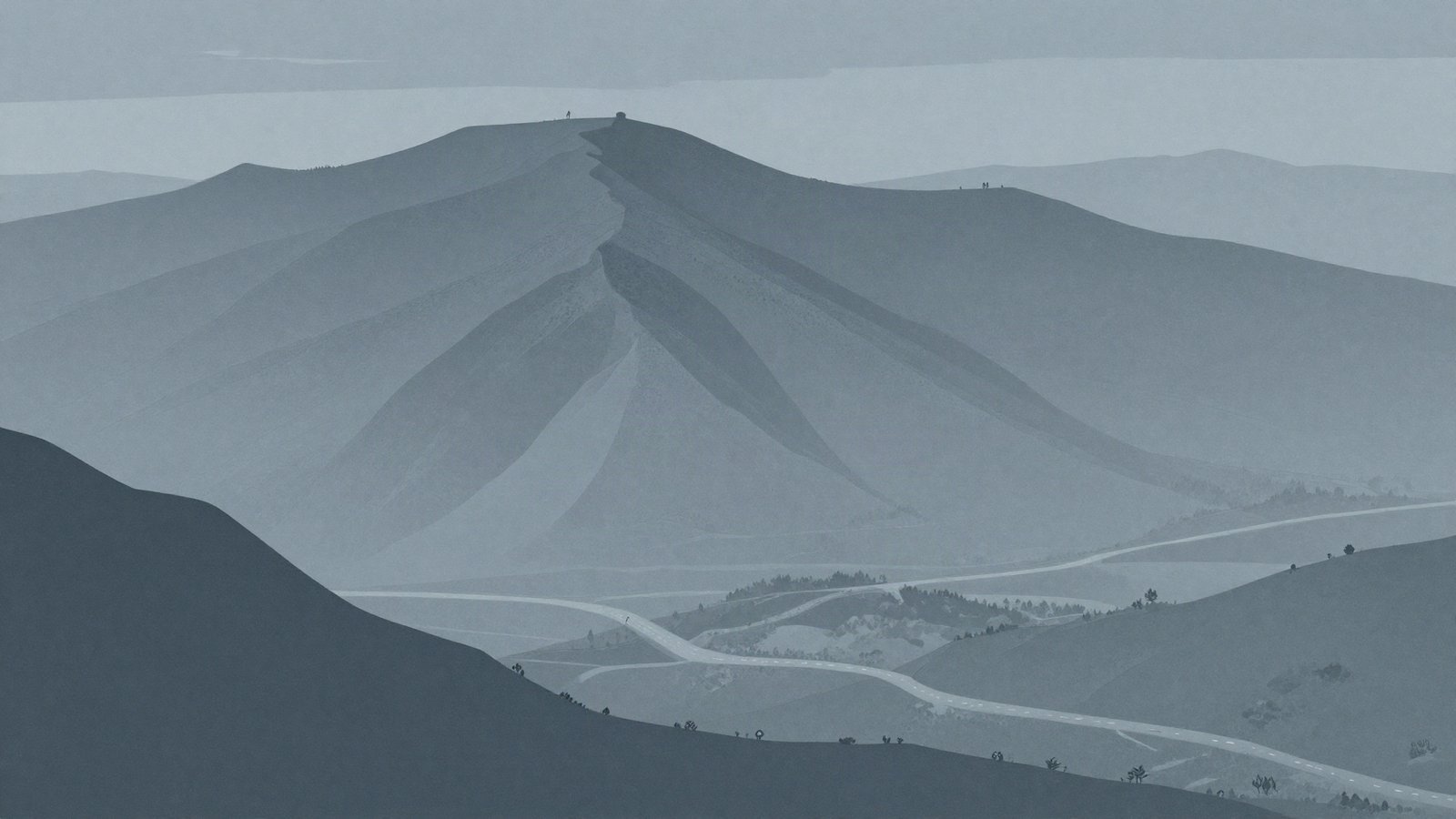
Fighting in the highlands of South Kivu has continued despite diplomatic agreements, illustrating a persistent gap between negotiations and the reality faced by local armed actors. According to the reporting, clashes around strategic highland positions showed that agreements brokered at the regional and international level had not reached the fighters on the ground. The disconnect between high-level diplomacy and local conflict is a recurring feature of the eastern Congo crisis.
According to the reporting, M23-aligned forces repelled attempts by Congolese forces and allied militias to retake key positions near Minembwe. The contest over these positions reflects the strategic value of highland terrain, which offers control over surrounding areas and routes. The NE Times reports the course of the fighting as described in reporting, without independent confirmation of specific engagements.
The shape of the fighting
The fighting involved hilltop positions, village control and movement along routes in Fizi and Mwenga, according to contemporaneous reporting. This description points to a contest for terrain and the settlements and roads within it, the kind of localised, ground-level fighting that determines who controls a given area. Control of hilltops and routes shapes the movement of forces and civilians alike.
The principal actors include M23, Twirwaneho, the Congolese armed forces known as FARDC, Wazalendo militias and local communities. The involvement of multiple armed groups alongside national forces reflects the fragmented nature of the conflict in the highlands, where several actors with differing agendas operate in close proximity.
Mutual accusations
Each side accused the other of violating ceasefire commitments and of targeting communities, according to published reporting. These mutual accusations are characteristic of a conflict in which ceasefire arrangements exist on paper but are not observed or enforced on the ground. The NE Times presents these as claims by the parties, which cannot be independently verified in current conditions.
Accusations of targeting communities are serious and, where raised, are matters for investigation. The reciprocal nature of the charges, with each party accusing the other, underscores the difficulty of establishing an agreed account of events. It also illustrates how ceasefire violations become a subject of dispute, with each side attributing responsibility to the other.
Civilians in the highlands
Civilians in the affected areas face displacement, ethnic reprisals and blocked access to markets and health care, according to contemporaneous reporting. The continuation of fighting in the highlands exposes local populations to direct danger and to the indirect effects of insecurity. Blocked access to markets disrupts livelihoods and food supply, while restricted access to health care leaves the sick and injured without treatment.
The reference to ethnic reprisals points to a particularly dangerous dimension of the conflict, in which violence can be directed against communities on the basis of identity. In a region with a history of intercommunal tension, such reprisals carry the risk of deepening divisions and perpetuating cycles of violence that are hard to interrupt.
Weak local security arrangements
Mediators are seeking a ceasefire and economic integration between Congo and Rwanda, according to documented accounts, but local security arrangements remain weak. The emphasis on economic integration reflects an approach that ties security to broader cooperation. Yet the persistence of fighting shows that agreements at that level have not secured calm on the ground. The weakness of local arrangements is precisely what allows clashes to continue.
This gap between the ambitions of mediation and the realities of the highlands is at the heart of the challenge. Agreements that do not reach or bind local armed actors leave the underlying dynamics of the conflict untouched, and fighting can resume or continue regardless of what is agreed elsewhere.
The terrain itself shapes how the fighting unfolds. In the highlands, control of a single ridge or route can determine access to whole valleys and the communities within them. Forces that hold high ground gain visibility and defensive advantage, which is part of why positions near Minembwe are contested so persistently.
For local populations, the practical effect is that shifting front lines can cut them off from neighbouring areas, markets and services with little warning. This physical reality helps explain why calm agreed at negotiating tables has been so hard to establish among the hills. It also underscores why monitoring and local security arrangements, rather than high-level accords alone, are seen as essential to any lasting reduction in violence.
The risk of wider escalation
Analysts tracking the conflict warn that local clashes can trigger broader Rwanda-Burundi-Congo escalation. The proximity of these states and their interests in the region means localised fighting carries a wider risk. It could draw in other actors, transforming a highland contest into a broader regional confrontation. This risk is part of what gives the South Kivu fighting significance beyond its immediate scale.
The immediate tests are control of the position known as Point Zero, the routes around Uvira, refugee flows and monitoring reports, contemporaneous reporting indicates. These indicators will signal whether the fighting is spreading or being contained, and whether the diplomatic agreements can eventually reach the ground. For now, the highlands of South Kivu remain a place where accords have been reached but calm has not.
Sources
- Critical Threats - Congo War Security Review
- DW - UN alarm over South Kivu fighting
You may also like to read
M23 Says It Has Integrated Thousands of New Fighters as Eastern Congo Peace Deal Falters
The M23 movement says it has trained and integrated more than 9,000 fighters, a claim that raises doubts about disarmament as an eastern Congo peace deal struggles.
Congo and M23 inch through Doha peace steps as clashes persist in the east
A first joint monitoring meeting in Goma marks a rare step, but fighting in South Kivu and unresolved protocols keep the peace process fragile.
Sudan's Front Line Shifts to Kordofan and Blue Nile After the Country's De Facto Partition
With the capital no longer the focal point, fighting has moved to the regions linking Sudan's rival eastern and western zones, deepening a de facto partition.
UN Experts Say Every Side Is Breaking the DR Congo Peace Deal
A UN expert assessment reportedly disputes official claims that eastern Congo's peace deal is working, as Kinshasa and Kigali trade blame over continued fighting.