Congo and M23 inch through Doha peace steps as clashes persist in the east
A first joint monitoring meeting in Goma marks a rare step, but fighting in South Kivu and unresolved protocols keep the peace process fragile.
Commentary & Analysis ·
Verified key facts
- Congolese army officers travelled to Goma on 13 July for the first Expanded Joint Verification Mechanism Plus meeting with M23, the first such visit since the group seized the city in January 2025, according to Critical Threats.
- The Democratic Republic of the Congo and M23 signed a Doha framework in November 2025 covering eight protocols, most of which remain unimplemented, according to Al Jazeera and analysts.
- The UN human rights office in early July condemned rising hostilities between the army and M23 in South Kivu's Fizi and Mwenga territories, where both sides used drones and heavy weapons in civilian areas.
- The UN previously reported M23-linked killings of 319 civilians in the east during a single month in 2025, illustrating the toll civilians continue to bear.
A rare meeting in a captured city
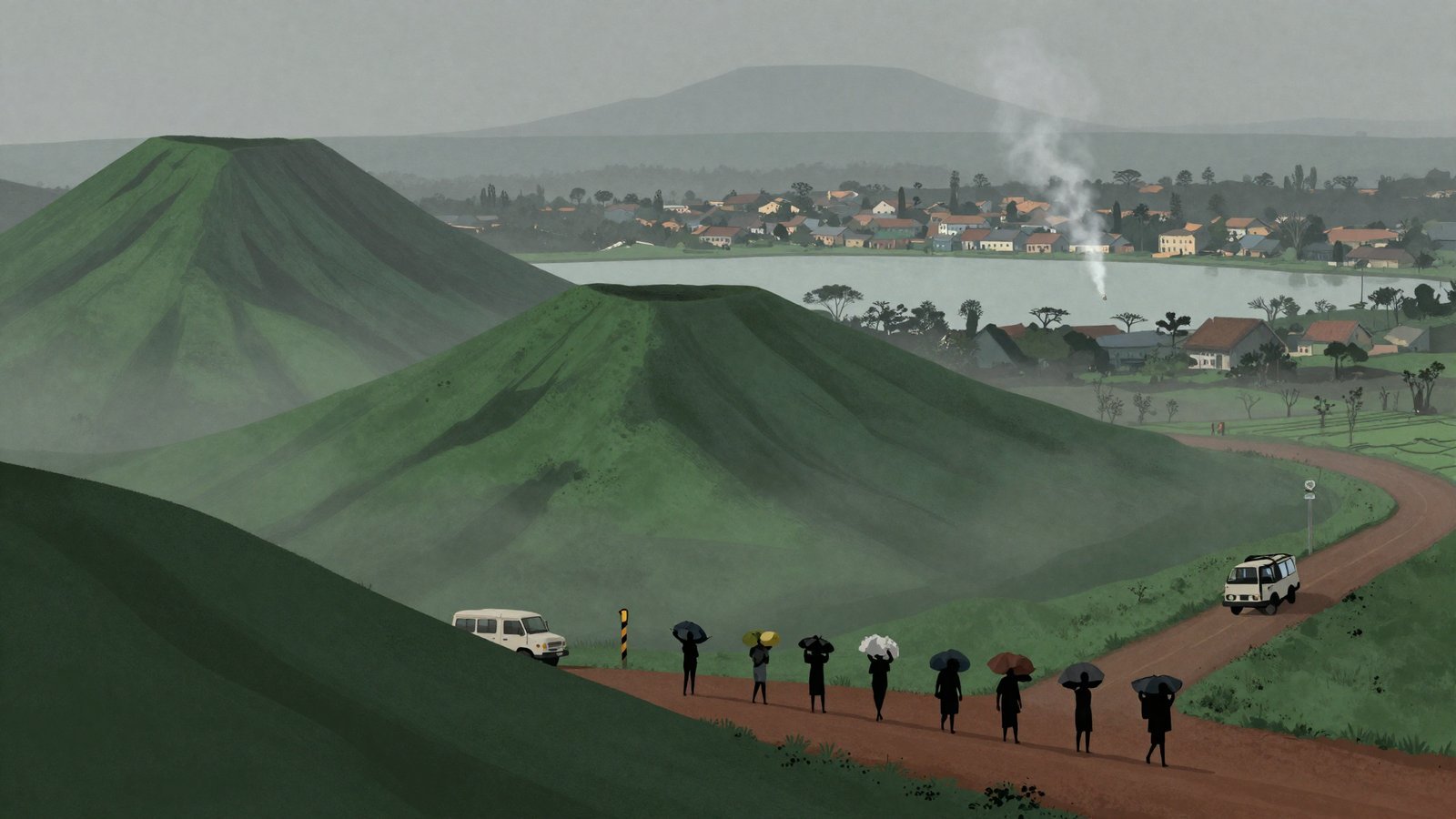
For the first time since the M23 armed group seized Goma in January 2025, Congolese army officers returned to the eastern city. They arrived on 13 July 2026 for a session of the Expanded Joint Verification Mechanism Plus, a monitoring body created under a wider peace process. Analysts at the Critical Threats Project described the visit as symbolically significant.
The mechanism is meant to track ceasefire compliance and record violations. Its first meeting brought government and M23 representatives to the same table under international observation. Diplomats framed the step as modest but real progress after months of stalled talks. Even so, they cautioned that monitoring alone cannot end the fighting. It depends on political will that both sides have yet to demonstrate consistently.
The Doha framework and its gaps
The current diplomacy traces to Qatari mediation. The Democratic Republic of the Congo (DRC) and the AFC/M23 coalition signed a Declaration of Principles in Doha in July 2025. They followed it with a broader framework in November 2025, according to Al Jazeera and regional analysts.
The framework sets out eight protocols covering security, prisoner exchanges, the return of state authority and humanitarian access. Analysts say most provisions remain unresolved. A US envoy involved in the process noted that many protocols still require substantial work, and that prisoner releases and monitoring have moved slower than hoped.
Fighting has not stopped
The negotiations proceed against continued violence. In early July, the UN human rights office condemned a rise in hostilities between the Congolese armed forces (FARDC) and M23 in the Fizi and Mwenga territories of South Kivu. It said both sides used armed drones, heavy artillery and other explosive weapons in populated areas.
Clashes have also spread into the South Kivu highlands, displacing civilians. Each side accuses the other of breaching the ceasefire. The DRC says M23 continues to advance in defiance of agreements. M23 says government-aligned forces and allied militias have attacked its positions. The competing claims are difficult to verify independently.
- The UN reported M23-linked killings of 319 civilians in the east during one month of 2025.
- Both parties have been accused of using explosive weapons in civilian-populated areas, according to the UN human rights office.
- Prisoner exchanges and ceasefire monitoring have lagged behind the framework's timeline, analysts say.
What the sides want
The Congolese government seeks the withdrawal of M23 from captured territory, the restoration of state administration and an end to external support for the group. Kinshasa has long accused neighbouring Rwanda of backing M23, a charge Rwanda denies.
M23 and the wider AFC coalition present themselves as defenders of Congolese Tutsi communities. They demand political reforms and security guarantees. Rwanda says its concerns centre on armed groups it links to the 1994 genocide operating in eastern Congo. It denies deploying troops in support of M23. These positions remain far apart, and each is contested by the other parties. Analysts note that control of the region's mineral wealth adds a further economic layer to the dispute.
Humanitarian stakes
Eastern Congo hosts one of the world's largest displacement crises. Successive waves of fighting have driven millions from their homes across North and South Kivu. Aid agencies report overcrowded sites, disease risks and disrupted supply routes. Civilians caught between the lines bear the heaviest cost, humanitarian officials say.
The peacekeeping mission MONUSCO supports parts of the monitoring effort, even as it winds down elements of its presence. Aid access to contested areas remains uneven, and relief workers say insecurity limits their reach.
Displacement figures in the east run into the millions, according to UN agencies. Many people have been uprooted more than once. Around Goma and other contested towns, families shelter in crowded sites with limited food, water and health care. Aid officials say funding has not kept pace with need, and that renewed fighting repeatedly forces new movements. The precise totals are difficult to confirm amid shifting front lines.
Regional and international response
The process runs on parallel tracks. Qatar hosts the DRC-M23 talks. A separate US-brokered understanding covers the DRC and Rwanda. Reaffirmed in late 2025, it commits both states to cease hostilities and to end support for non-state armed groups. Coordinating these strands has proven complex, diplomats acknowledge.
African Union and regional bodies have backed the diplomacy. East African and southern African blocs have merged earlier mediation efforts into a single track. Observers caution that agreements on paper have repeatedly failed to hold on the ground. They say confidence between the parties remains thin, and that spoilers on both sides retain an interest in continued fighting.
Can the monitors document violations?
The near-term test is whether the new monitoring body can document violations and reduce them. Earlier deadlines for a comprehensive deal have already slipped more than once during the process. Analysts say meaningful progress depends on implementing the harder protocols, including troop withdrawals and the return of state authority, steps neither side has yet delivered.
Sources
- Critical Threats Project
- Al Jazeera
- Euronews
- Al Jazeera
You may also like to read
UN Experts Say Every Side Is Breaking the DR Congo Peace Deal
A UN expert assessment reportedly disputes official claims that eastern Congo's peace deal is working, as Kinshasa and Kigali trade blame over continued fighting.

South Kivu Highlands Fighting Continues Despite Regional and US-Brokered Agreements
Clashes over strategic highland positions near Minembwe show that agreements brokered by regional and US mediators have yet to reach the fighters on the ground.
M23 Says It Has Integrated Thousands of New Fighters as Eastern Congo Peace Deal Falters
The M23 movement says it has trained and integrated more than 9,000 fighters, a claim that raises doubts about disarmament as an eastern Congo peace deal struggles.
DR Congo faces the fastest Ebola outbreak on record as deaths pass 1,000
The Bundibugyo strain has spread faster than any previous Ebola epidemic, with no approved vaccine, as conflict and mistrust hamper the response.