North Korea Fires a Barrage of Ballistic Missiles Hours After Kim Yo-jong Dismisses Trump's Offer to Meet
Pyongyang launched more than ten short-range ballistic missiles into the East Sea as Kim Jong-un's sister said she was unaware of talks with Washington.
Commentary & Analysis ·
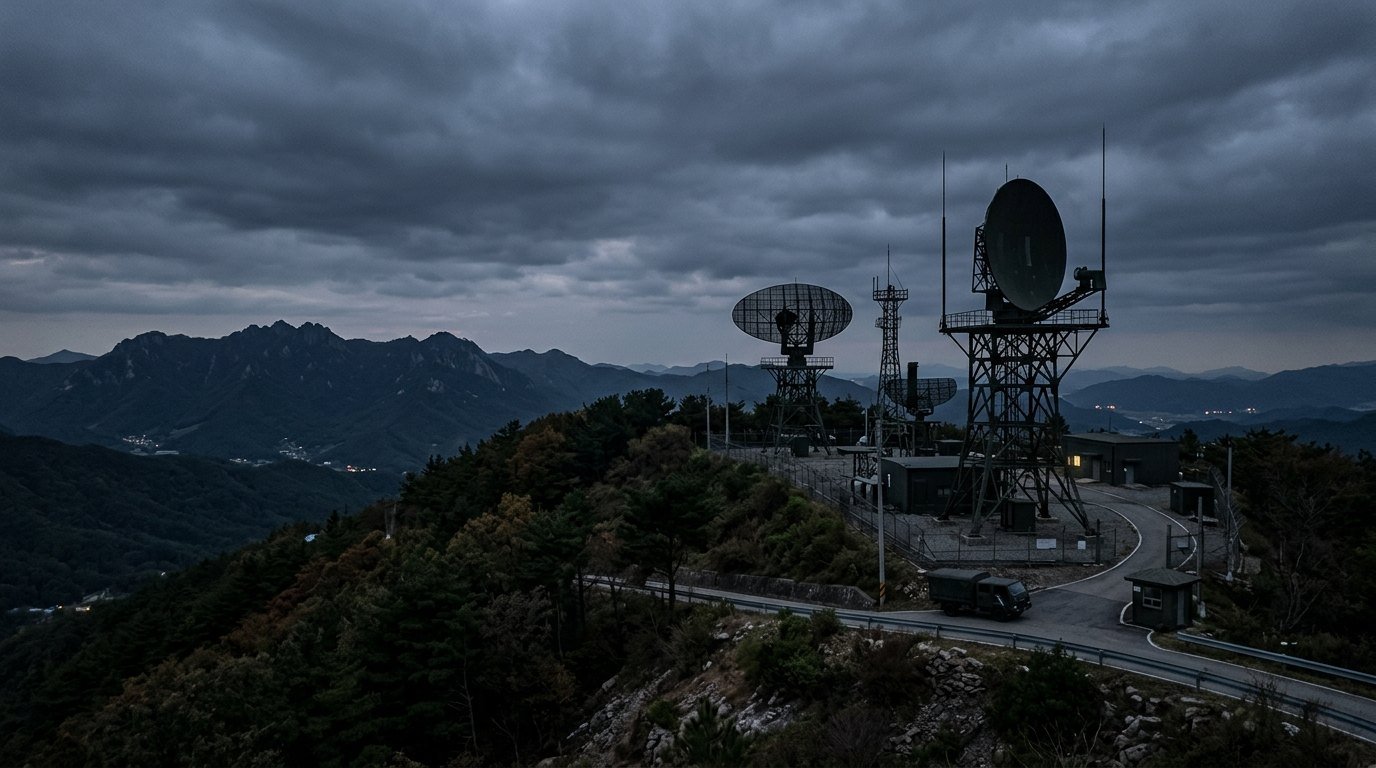
Verified key facts
- North Korea fired more than ten short-range ballistic missiles from the Pyongyang area towards the East Sea at about 5pm on Thursday, according to The Korea Herald, citing Seoul's Joint Chiefs of Staff
- The launch came hours after Donald Trump told reporters at the White House he plans to meet Kim Jong-un later this year, per CBS News
- Kim Yo-jong said she was 'unaware' of any recent talks between Trump and her brother and dismissed the scaling back of US-South Korea drills as an overture, Forbes reported
- Trump said Pyongyang holds 57 'very powerful' nuclear weapons, while officials in Seoul put the arsenal at between 80 and 120 warheads, per AP News
- The launches came during a shortened Ulchi Freedom Shield exercise, cut from eleven days to five on Trump's orders, The Japan Times reported
A barrage timed to a message
North Korea fired a volley of short-range ballistic missiles towards the sea off its east coast on Thursday evening, in what officials in Seoul described as a barrage of more than ten projectiles launched from the Pyongyang area at about 5pm local time. The launches, reported by The Korea Herald citing South Korea's Joint Chiefs of Staff, were detected almost simultaneously by Japan's coastguard, which said the projectiles fell into the sea outside its exclusive economic zone.
The timing carried an unmistakable message. Only hours earlier, Donald Trump had told reporters at the White House that he intends to meet the North Korean leader Kim Jong-un later this year, according to CBS News — his most direct signal yet that he wants to revive the personal diplomacy that produced three face-to-face meetings during his first term.
Trump's first-term diplomacy with Kim produced summits in Singapore and Hanoi and a brief handshake meeting at the Demilitarized Zone, but no lasting agreement on the North's nuclear programme. The collapse of the Hanoi talks in 2019 froze the process, and Pyongyang has since expanded both its arsenal and the range of missiles it tests, while rebuffing successive American offers to resume negotiations without preconditions.
Kim Yo-jong's pointed dismissal
Before the missiles flew, the response from Pyongyang had already arrived in words. Kim Yo-jong, the North Korean leader's influential sister and a senior official in the ruling Workers' Party, said she was 'unaware' of any recent talks between Trump and her brother, Forbes reported, and dismissed suggestions that Washington's decision to scale back joint military exercises with Seoul amounted to a meaningful concession.
Her statement, carried by state media, followed a familiar pattern in which Pyongyang publicly belittles American overtures while leaving the door ajar. Analysts quoted by The Korea Times noted that Kim Yo-jong has become the regime's preferred voice for managing expectations around diplomacy with Washington, delivering rebuffs that her brother can later soften without losing face.
The launches themselves violate United Nations Security Council resolutions that prohibit North Korea from any ballistic missile activity, though enforcement has effectively lapsed. Russia and China have blocked new measures at the council for years, and Moscow's deepening military relationship with Pyongyang since the Ukraine war has given Kim's government both economic cover and diminishing reason to fear further isolation.
A shortened exercise, an undiminished grievance
The launches came in the middle of Ulchi Freedom Shield, the annual US-South Korea military exercise that Pyongyang has long denounced as a rehearsal for invasion. This year's edition was cut from eleven days to five after Trump ordered a reduction, a decision widely read as a gesture towards Kim, according to The Japan Times.
The barrage suggests the gesture bought little goodwill. North Korea has routinely used missile tests to register objections to the drills, but firing more than ten weapons in a single evening is at the upper end of its recent practice, and doing so hours after a presidential overture gives the volley a diplomatic edge that a routine test would lack.
The arithmetic of the arsenal
Trump's remarks on Wednesday included a figure that raised eyebrows on both sides of the Pacific. The president said North Korea now possesses 57 'very powerful' nuclear weapons, a number he did not source. Officials in Seoul offered a starkly different estimate on Thursday, putting the arsenal at between 80 and 120 warheads, according to AP News.
The gap matters. Any negotiation over freezing or dismantling the programme depends on a shared understanding of its size, and the spread between the two figures underlines how little verified information Washington and Seoul hold about a stockpile that has grown steadily since the collapse of the Hanoi summit in 2019.
Seoul walks a narrowing line
For South Korea's government, the evening was an uncomfortable illustration of its position. It is co-hosting a slimmed-down exercise it did not ask to shrink, watching Washington court Pyongyang directly, and absorbing a missile barrage aimed at both. The Joint Chiefs of Staff said the military maintained readiness and was analysing the launches with US counterparts, The Korea Herald reported.
President Lee Jae-myung's administration has backed engagement with the North while insisting that alliance defences remain credible. A barrage of this size, fired while the drills were under way, tests both halves of that formula at once and strengthens domestic critics who argue that unilateral gestures invite escalation rather than restraint.
Tokyo's parallel alarm
Japan's government confirmed the launches independently, with the coastguard reporting suspected ballistic missiles and officials saying the projectiles fell outside Japanese waters, according to The Japan Times. Tokyo lodged its customary protest through diplomatic channels in Beijing.
Japanese officials have watched the prospect of renewed Trump-Kim diplomacy with wariness. Their consistent concern, voiced through successive administrations, is that a bargain focused on intercontinental missiles could leave the shorter-range systems that threaten Japan untouched — precisely the class of weapon demonstrated on Thursday.
A meeting pitched for 'later this year'
The question now is whether Thursday's volley closes the window Trump opened or merely raises the price of walking through it. The president has attached no date or venue to his proposed meeting, and Kim Yo-jong's statement stopped short of ruling one out — she professed ignorance of talks rather than rejecting them, a distinction seasoned North Korea watchers regard as deliberate.
Previous cycles of engagement have followed exactly this rhythm: provocation, denial, then a sudden announcement. Whether the pattern repeats will likely be decided before the year's end, the deadline Trump himself has set. Until then, Seoul's Joint Chiefs of Staff said, surveillance of the North has been stepped up in case Thursday's barrage proves an opening act rather than a conclusion.
Sources
- The Korea Herald - N. Korea fires barrage of short-range ballistic missiles despite Trump overture
- CBS News - North Korea launches ballistic missiles as Trump seeks to rekindle nuclear talks with Kim Jong Un
- Forbes - North Korea Test Fires Missiles As Kim Jong Un's Powerful Sister Rejects Trump's Overture
- AP News - North Korea fires barrage of missiles toward the sea after dismissing overture from Trump
- The Japan Times - North Korea fires off missile hours after Trump says he plans to meet Kim
You may also like to read
China's fourth-ranked leader visits Pyongyang as Beijing works to pull North Korea closer
Wang Huning's talks with Workers' Party official Jo Yong Won follow Xi Jinping's June visit, as Beijing counters Pyongyang's deepening alignment with Russia.
US and South Korea Cut Ulchi Freedom Shield From Eleven Days to Five After Trump Orders a Reduction
Seoul says it learned of the order only hours before the exercise began, and the counterattack phase has been cancelled outright.

Zelensky Dismisses Defence Minister Fedorov in Sweeping Ukraine Cabinet Reshuffle
Ukraine's president has removed Mykhailo Fedorov as defence minister after six months, deepening a sweeping cabinet overhaul as peace diplomacy resumes.

Western Sahara Drone War and Diplomatic Recognition Battle Continue Along the Berm
Polisario accused Morocco of drone attacks on civilians while Morocco won new backing for its autonomy plan, as low-intensity incidents continued along the Berm.