Haiti's Gangs Retain Territory as a New International Force Tries to Protect an Electoral Transition
Gang alliances kept up attacks across Port-au-Prince as an expanded suppression force struggled to reclaim corridors the UN says still block any credible vote.
Commentary & Analysis ·
Verified key facts
- Gang alliances continued attacks in Port-au-Prince, Artibonite and other departments as the Gang Suppression Force expanded.
- The UN said gang violence remained the most urgent challenge and called for faster deployment and political progress.
- Security forces used raids and drones but had not fully retaken gang-held territory, according to published reporting.
- Millions face displacement, food insecurity, sexual violence and child recruitment, available reporting notes.
- International support aims to strengthen police and enable elections, after an earlier mission struggled.
Two challenges advancing at once
The United Nations has warned that security and elections in Haiti must advance together, even as gangs still control key corridors, according to the published accounts underpinning this article. That warning captures the central difficulty facing the country's transition.
Gang alliances continued attacks in Port-au-Prince, in the Artibonite department and in other regions as a newly expanded Gang Suppression Force sought to push back. Progress on security and progress toward elections are described not as separate tracks but as interdependent, each conditioning the other.
A force still short of control
Security forces used raids and drones but had not fully retaken gang-held territory, published reporting shows. The expansion of the Gang Suppression Force marks an intensified effort, yet the armed groups have retained ground in strategic areas.
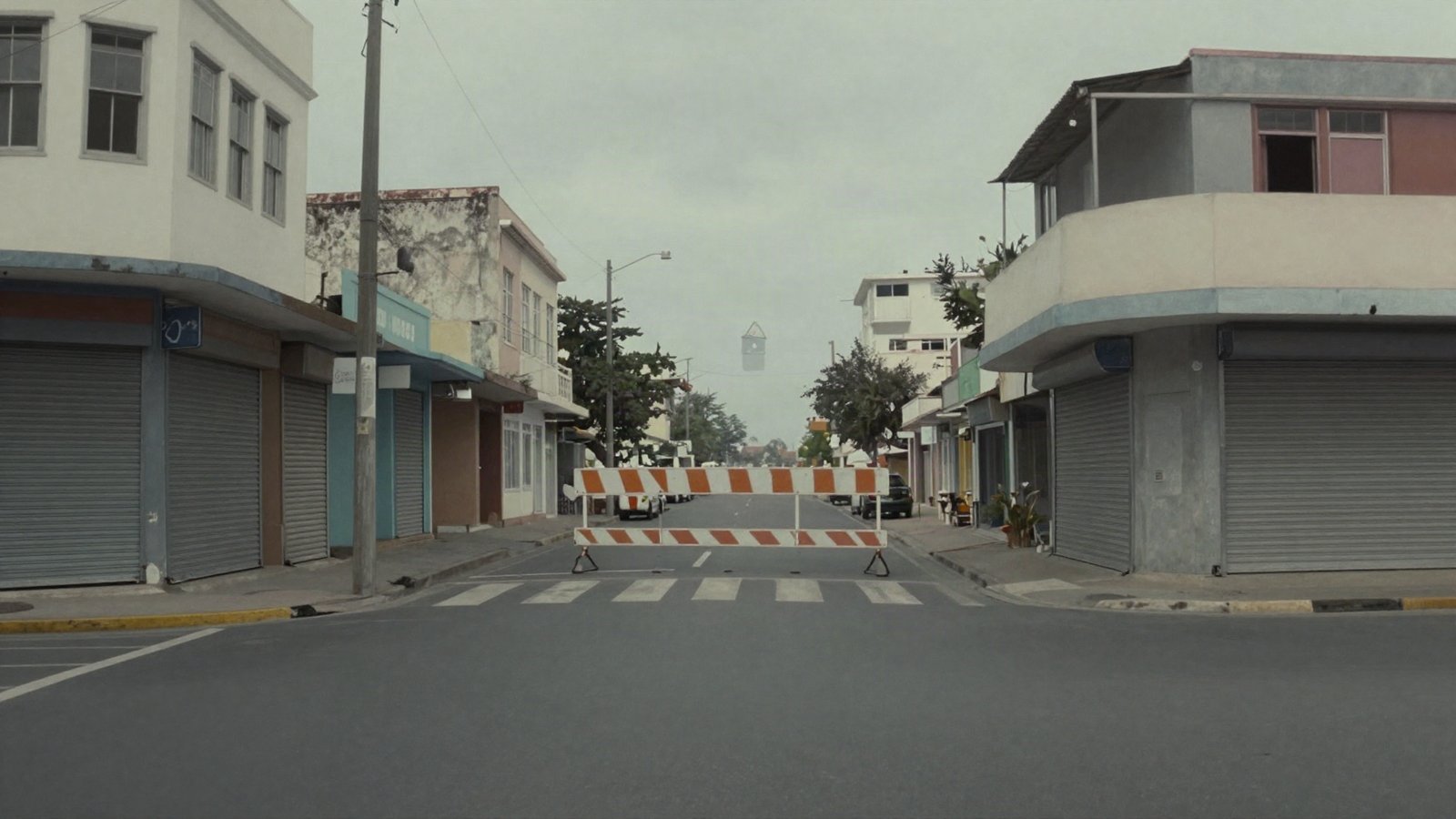
The principal actors identified are Haitian gangs, the police, the Gang Suppression Force, the transitional authorities and the United Nations. Control of key corridors, the routes that connect neighbourhoods and regions, remains contested. Holding those corridors is central to both daily security and the logistics of any electoral process.
The UN's assessment
The United Nations said gang violence remained the most urgent challenge and called for faster deployment and political progress, according to contemporaneous reporting. That dual call, for both a quicker security response and forward movement on politics, reflects the interdependence at the heart of the crisis.
International support aims to strengthen the police and enable elections, contemporaneous reporting notes, after an earlier mission struggled. The reference to a previous effort that fell short frames the current force as a second attempt to stabilise conditions enough for a credible vote.
The lessons of that earlier mission hang over the current one. A force tasked with supporting an overstretched police service faces a difficult balance, seeking to weaken armed groups without deepening harm to civilians. The UN's call for faster deployment reflects a concern that delay allows gangs to consolidate, making the eventual task harder and the electoral timetable more uncertain.
A crisis years in the making
Haiti's gang crisis has deepened over an extended period, with armed groups expanding their reach across the capital and into surrounding departments. Political instability and the erosion of state institutions have accompanied the rise in gang power, leaving governance fragile.
The transitional authorities now overseeing the country operate in this weakened environment. The challenge is not only to counter the gangs militarily but to rebuild the governance and justice structures that a lasting recovery would require. Those tasks proceed against a backdrop of ongoing violence.
Control of territory has become a central measure of the crisis. Where gangs hold key corridors, they can tax movement, restrict access and shape daily life for residents. Reclaiming those routes is therefore about more than symbolism. It affects the delivery of aid, the movement of goods and the practical feasibility of organising an election.
A heavy toll on civilians
The humanitarian consequences described in published accounts are severe. Millions of people face displacement, food insecurity, sexual violence and child recruitment. These harms fall across a population already contending with limited services and economic hardship.
Displacement uproots families from homes and livelihoods, while food insecurity compounds the strain. Documented accounts's reference to sexual violence and child recruitment points to the ways armed conflict reaches into the most vulnerable parts of society. These are presented as the documented realities driving the urgency of the response.
Humanitarian agencies have described conditions in parts of the country as acute, with services stretched and access to some areas constrained by the fighting. When corridors are contested, aid can struggle to reach those most in need. That difficulty links the security question directly to the humanitarian one, each shaping the other.
The risk of shifting, not ending, control
Available reporting flags a specific concern about strategy. A militarised response without justice and governance reform, it warns, may shift rather than end gang control. Force alone, in this view, could displace armed groups from some areas without dismantling the conditions that sustain them.
That caution underpins the UN's linkage of security with political progress. Retaking territory may bring temporary relief, but without accompanying reforms to justice and governance, the underlying dynamics could reassert themselves. The distinction between suppressing violence and resolving it runs through the current effort.
Elections, in this framing, are not simply an end goal but part of the path to stability. A credible vote could restore a measure of legitimate authority, giving institutions a firmer footing. Yet organising one amid insecurity is fraught, and the sequencing of security gains and political milestones is among the hardest questions the transition faces.
Tracking the force's deployment
Several indicators will show whether the strategy is working. Observers will be tracking the deployment of the Gang Suppression Force, changes in gang-held territory, progress toward electoral milestones and the reporting of civilian casualties.
The coming period will test whether security gains and electoral preparations can advance in step, as the UN has urged. With gangs still holding key corridors and civilians bearing a heavy toll, the transition depends on progress that has so far proved difficult to sustain. The balance between the two, security and politics, remains the defining challenge of the months ahead.
Sources
- UN Haiti briefing July 2026
- UN Panel report on Haiti
- Washington Post - new Haiti force
You may also like to read
UN Experts Say Every Side Is Breaking the DR Congo Peace Deal
A UN expert assessment reportedly disputes official claims that eastern Congo's peace deal is working, as Kinshasa and Kigali trade blame over continued fighting.
Israel clears international stabilisation force for Gaza as disarmament dispute persists
Israel's security cabinet approved legal measures for a stabilisation force, but Hamas disarmament and aid access remain unresolved.
South Sudan Peace Monitors Warn Civilian Deaths and Political Delays Threaten the Transition
Ceasefire monitors and the UN mission reported rising civilian harm and urged faster progress on security and elections, as leaders pledged support for the deal.
Attacks, Abductions and Counter-Offensives Persist in the Lake Chad War
ISWAP and Boko Haram factions have continued attacks on bases, villages and schools while Nigerian forces report rescues, leaving the northeast an active war zone.