Somali and African Union Forces Report Repelling an Al-Shabaab Assault Near Mogadishu
AUSSOM and Somali forces said they defended Mubarak, killed more than 40 militants and recovered two cities, in claims that Al-Shabaab routinely disputes.
Commentary & Analysis ·
Verified key facts
- AUSSOM and Somali forces said they defended Mubarak and recovered two strategic cities.
- The forces reported killing more than 40 militants, according to the account.
- AUSSOM framed the action as progress in the security transition.
- Al-Shabaab routinely disputes government casualty claims, the reporting notes.
- The mission depends on African Union, UN and donor financing.
A claimed success near the capital
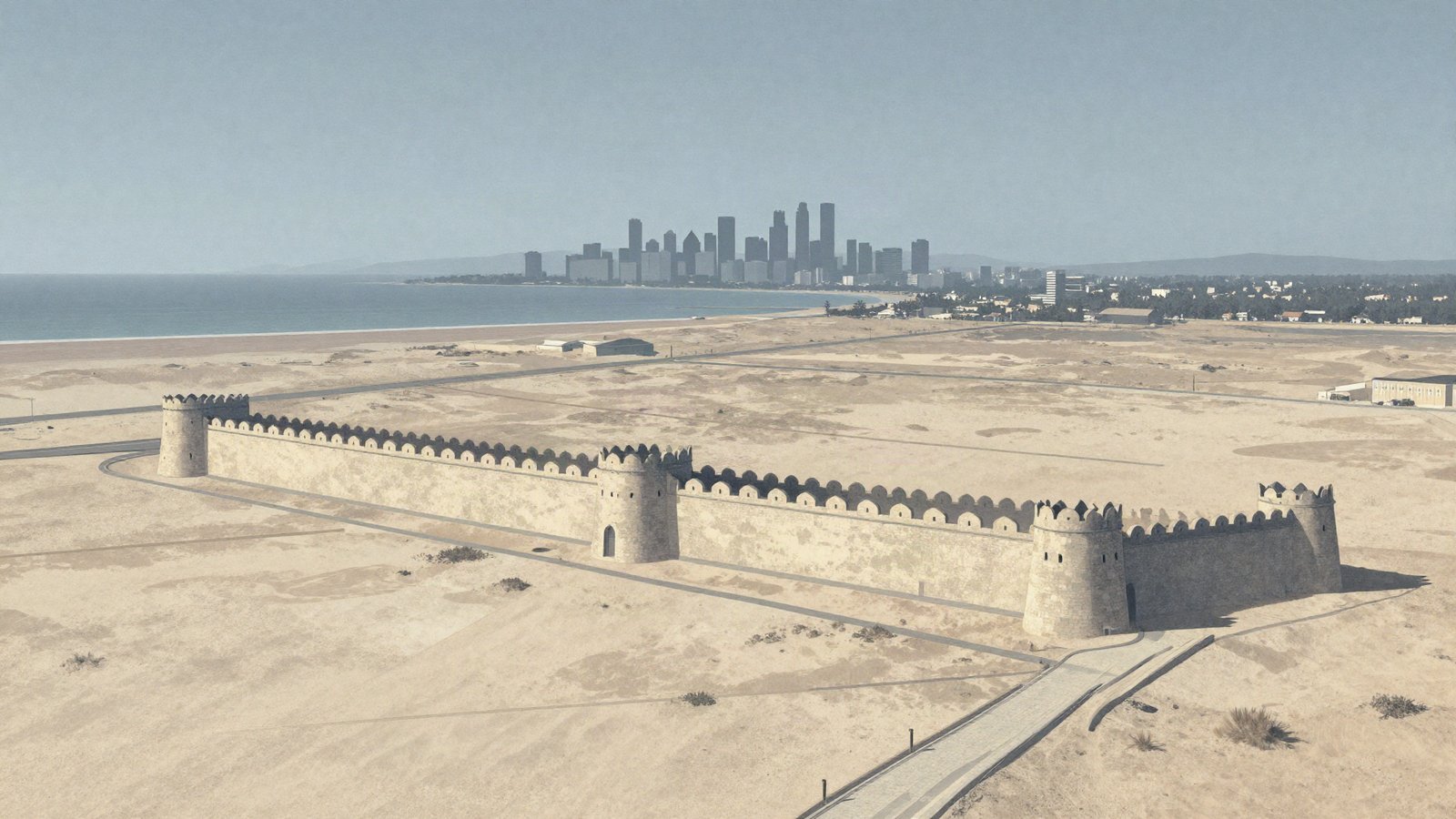
African Union and Somali forces have reported an operational success not far from Mogadishu. According to their account, AUSSOM and Somali National Armed Forces defended the town of Mubarak, killed more than 40 militants and recovered two strategic cities. The forces presented the outcome as evidence that Somalia's long security campaign is making headway.
The figures come from the forces involved, and this report presents them as their claims. Al-Shabaab routinely disputes government casualty tallies, and independent verification of such numbers is often difficult in the areas where fighting occurs. The scale of the reported result, near the capital, is what gives it significance.
What AUSSOM is
AUSSOM is the African Union's mission in Somalia, the latest in a series of AU-led deployments supporting the federal government against Al-Shabaab. It works alongside the Somali National Armed Forces and depends on external financing to function. Its central task is to help Somali forces hold and expand territory during a planned security transition.
That transition is the strategic backdrop to the reported battle. The long-term goal is for Somali forces to take primary responsibility for security as international support is drawn down. Every claimed success is measured against that objective, which is why AUSSOM framed the Mubarak action as progress rather than merely a single engagement.
How the operation unfolded
According to available reporting, the joint operations combined ground forces, intelligence and defensive actions against an Al-Shabaab assault. The description suggests the militants attacked first and were repelled, after which the allied forces moved to recover nearby towns. That sequence, if accurate, points to a defensive success followed by a limited advance.
Coordinating ground troops with intelligence is central to this kind of operation. Al-Shabaab often relies on surprise and mobility, striking where defences are thin. Repelling an assault and then retaking territory requires both warning and the capacity to respond. The reported outcome reflects that combination, as described by the forces involved.
Two versions of the fight
AUSSOM praised the Somali forces and presented the action as a step forward in the transition. Al-Shabaab, for its part, routinely contests such claims, disputing both the casualty figures and the narrative of government progress. The two accounts are difficult to reconcile, and this article does not treat either as settled fact.
This pattern is familiar in Somalia's conflict. Official statements emphasise militants killed and towns recovered, while the armed group offers competing versions through its own channels. For readers, the safest reading is to treat casualty numbers as claims by the party reporting them until independent confirmation emerges.
The toll on communities
Whatever the military outcome, fighting around towns carries a civilian cost. Available reporting notes that combat displaces families and disrupts farming, roads and aid access. When militants and security forces contest a settlement, residents often flee, and the routes they depend on for trade and assistance can be cut.
Agriculture and mobility are especially vulnerable. Farmers who cannot reach their fields lose harvests, and blocked roads keep markets and relief supplies out of reach. Even a successful defensive operation can leave lasting disruption in its wake, which is why recovered territory must be held and stabilised to bring real relief.
A mission dependent on funding
The durability of any gains rests heavily on money. AUSSOM depends on African Union, United Nations and donor financing, coordinated with Somali federal authorities. Without reliable funding, the mission's ability to sustain operations and hold recovered towns comes into question. That financial dependence is a persistent vulnerability.
Analysts warn that underfunding or political disputes could allow Al-Shabaab to retake territory. Military success is not self-sustaining; it requires resources to garrison towns and support local administration. If those resources falter, hard-won gains can reverse, and the group can move back into areas it lost.
Confirming the casualty claims
The key questions ahead are practical. Observers will look for independent confirmation of the casualty claims, evidence that the recovered towns remain under government control and clarity on AUSSOM's funding. Each of these will help show whether the reported success marks lasting progress or a temporary gain in a long conflict.
For now, the account stands as a claim of progress near Mogadishu, tempered by the recognition that such claims are routinely contested. Somalia's security transition depends not on any single battle but on the ability to hold ground over time, an ability that money, coordination and local trust will ultimately decide.
Proximity to the capital gives the reported clash added weight. Mubarak lies within the belt of towns that shape security around Mogadishu, and control there affects the sense of safety in the city itself. A successful defence near the capital carries symbolic value beyond the immediate military result, which is why the forces highlighted it.
The broader test will be whether recovered towns can be governed as well as held. Retaking a settlement is only the first step; keeping it requires garrisons, local administration and services that give residents a reason to stay. Without that follow-through, territory can slip back, and the cycle of loss and recovery can repeat.
Sources
- AUSSOM press releases
You may also like to read
Turkish and Egyptian Deployments Deepen the Foreign Military Role in Somalia
Turkey has deployed aircraft and ground forces while Egypt sent over 1,000 troops to join AUSSOM, deepening the foreign military role in Somalia.

Attacks, Abductions and Counter-Offensives Persist in the Lake Chad War
ISWAP and Boko Haram factions have continued attacks on bases, villages and schools while Nigerian forces report rescues, leaving the northeast an active war zone.
ISIS Cells Continue Low-Cost Attacks in Iraq and Syria Despite Territorial Defeat
Stripped of the ground it once held, ISIS endures through rural cells staging ambushes, kidnappings and bombings across Iraq and the Syrian desert, monitors report.
Syria's Government Consolidates Control While ISIS Cells Remain Active
Damascus is extending its authority after fighting with Kurdish-led forces, but ISIS remnants and unresolved Kurdish integration shape a fragile post-Assad order.