Antenna Releasing and Deaf Crocodile Plan a Video Store and Microcinema
Two independent distributors announced plans for a combined physical-media store and microcinema, amid renewed interest in curated exhibition and collecting.
Commentary & Analysis ·
Verified key facts
- Antenna Releasing and Deaf Crocodile announced plans for a combined physical-media store and microcinema.
- The project joins renewed interest in curated theatrical and collector communities.
- A small venue can generate sales, events and a strong community identity.
- Scale, rent and programming consistency will determine sustainability.
- Opening date, location and final programming can change during construction and licensing.
A bet on physical media and community
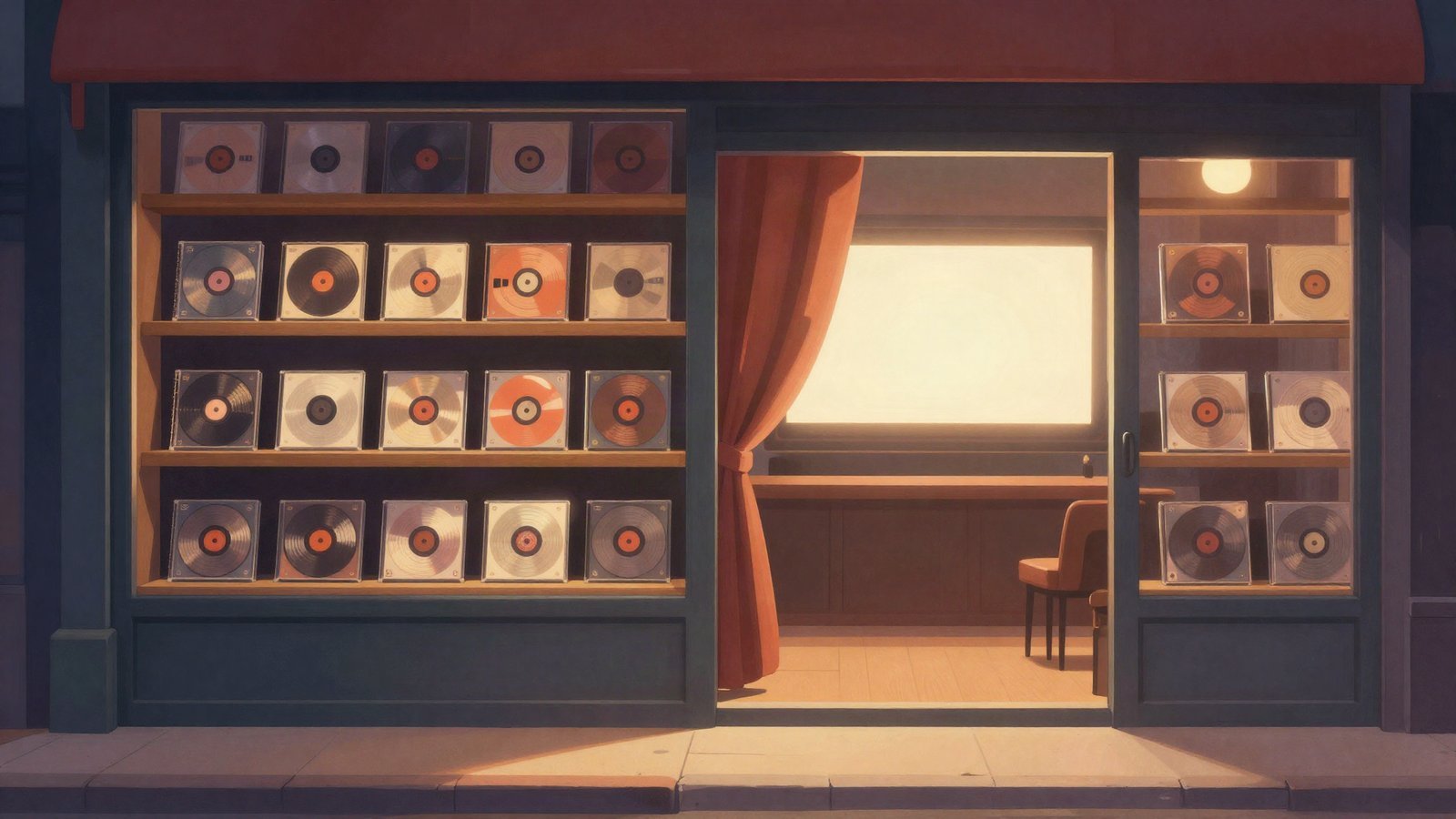
Independent distributors Antenna Releasing and Deaf Crocodile have announced a joint plan. They intend to open a combined physical-media store and microcinema. The venture pairs the sale of collectible discs with an intimate screening space. It reflects a growing appetite among niche distributors to build direct relationships with their audiences.
The plan arrives amid a broader revival of interest in physical media. Repertory exhibition has drawn renewed attention as well. Streaming libraries shift, and titles disappear from platforms without warning. A segment of dedicated viewers has turned back toward ownership and curated communal viewing.
Who is behind the project
Both companies occupy the specialized end of film distribution. They focus on carefully chosen titles rather than mass-market releases. Their announced collaboration brings together two strands of the independent film world. It unites collector-oriented curation with the communal experience of a small cinema.
For distributors of this kind, a physical space is more than a retail outlet. It functions as a hub for a community. It gives devoted audiences a place to browse, discover and gather. The store-and-cinema combination is designed to reinforce that sense of belonging.
The appeal of the microcinema model
Microcinemas are small venues, often seating a modest number of viewers. They specialize in programming outside the multiplex mainstream. Their slates favor repertory titles, restorations and cult films. They also showcase works from distributors that rarely reach large theatrical screens.
The intimacy of the format is central to its appeal. A small room can foster shared enthusiasm among attendees. It turns a screening into an event rather than a passive outing. Paired with a store, it encourages a loop of viewing, discussion and collecting.
The business logic and its limits
A small venue can support itself through several revenue streams. Disc and merchandise sales sit alongside ticketed screenings. Membership programs and special events add further income. Just as importantly, the space builds a community identity that deepens loyalty.
Yet the economics are demanding. Scale is limited by the size of the room. Rent can weigh heavily on a modest operation. Programming must remain consistent enough to keep audiences returning, so sustainability depends on balancing these pressures with disciplined management.
Part of a wider revival
The project is not an isolated experiment. It is part of a broader movement. Interest in physical media has rebounded among collectors. They prize the reliability of ownership, the bonus features and the tactile pleasure of a well-produced release.
This revival is driven in part by the instability of digital libraries. Titles can vanish from streaming services without notice. The sense that access is provisional has pushed some viewers toward formats they can keep. Ventures like this one meet that desire for permanence.
The revival has roots in disappointment with streaming. Viewers once assumed digital libraries would only grow. Instead, titles come and go with licensing deals. That impermanence has renewed the appeal of owning a copy.
Collector culture has also matured around boutique labels. Carefully produced editions include restorations and extras. They treat films as objects worth preserving. A dedicated audience has grown around that ethos.
A combined store and cinema serves that community directly. It offers a place to buy, watch and discuss. It turns a transaction into an experience. And it deepens the bond between distributor and viewer.
Repertory programming carries its own challenges. Licensing older titles can be complicated and costly. Prints and restorations are not always easy to secure. Consistent, compelling scheduling requires real effort.
Location will shape the venture's prospects. Rent, foot traffic and local demand all matter. A neighborhood with cinephile appeal helps. So does proximity to an existing arts community.
Events may prove as important as screenings. Discussion nights, themed programs and signings build loyalty. They give members reasons to return. Community, more than catalog alone, often sustains such spaces.
The economics reward focus over scale. Small rooms cannot chase mass audiences. They succeed by serving a devoted few very well. That focus is both the strength and the constraint of the model.
If it works, the payoff is more than commercial. Such spaces preserve films that streaming overlooks. They keep repertory culture alive in physical form. That cultural role is part of the venture's appeal. It gives collectors and cinephiles a shared home.
Timing matters as much as vision. A patient rollout can build word of mouth. A rushed opening can strain resources. The founders will need to pace their ambitions carefully.
What is still to be settled
As with any project at the planning stage, key details remain fluid. The opening date is not fixed. The specifics of the location can shift. The final shape of the programming can change during construction and licensing.
These uncertainties are normal for an undertaking of this scale. Leases must be finalized and spaces fitted out. Licensing arrangements must be secured before a single screening. The announced vision provides direction, but execution will determine whether the concept endures.
The markers to watch
Several signals will show whether the venture takes root. Confirmation of a lease and an opening will mark the shift from plan to reality. The membership model, if introduced, will reveal how the operators intend to build a loyal base. The first programming calendar and any physical-media partnerships will show the store's curatorial identity.
Sources
- The Wrap independent film
- Deaf Crocodile
You may also like to read

Katy Perry Objects After White House Uses Firework in an Iran Bombing Video
The singer objected after her song Firework appeared in a White House video tied to bombing in Iran, reviving the fraught debate over political use of popular music.

YouTube and Peacock Plan a Premium Bundle for Early 2027
The two companies plan a cross-platform Premium bundle expected in early 2027, adding another combined offer to an increasingly consolidated streaming market.
ABC Builds Its 2026 Fall Schedule Around Dancing With the Stars, Abbott and 9-1-1
The network has locked in autumn premiere dates, leaning on live competition, comedy and procedural drama to anchor a lineup competing with streaming and sports.

AK64: Ajith Kumar Set To Turn Producer, Shalini To Oversee
Reports say Ajith Kumar will produce AK64 under his own banner, with Shalini overseeing production and Adhik Ravichandran directing. Official word is awaited.