ABC Builds Its 2026 Fall Schedule Around Dancing With the Stars, Abbott and 9-1-1
The network has locked in autumn premiere dates, leaning on live competition, comedy and procedural drama to anchor a lineup competing with streaming and sports.
Commentary & Analysis ·
Verified key facts
- ABC has confirmed a fall 2026 premiere calendar built around returning brands.
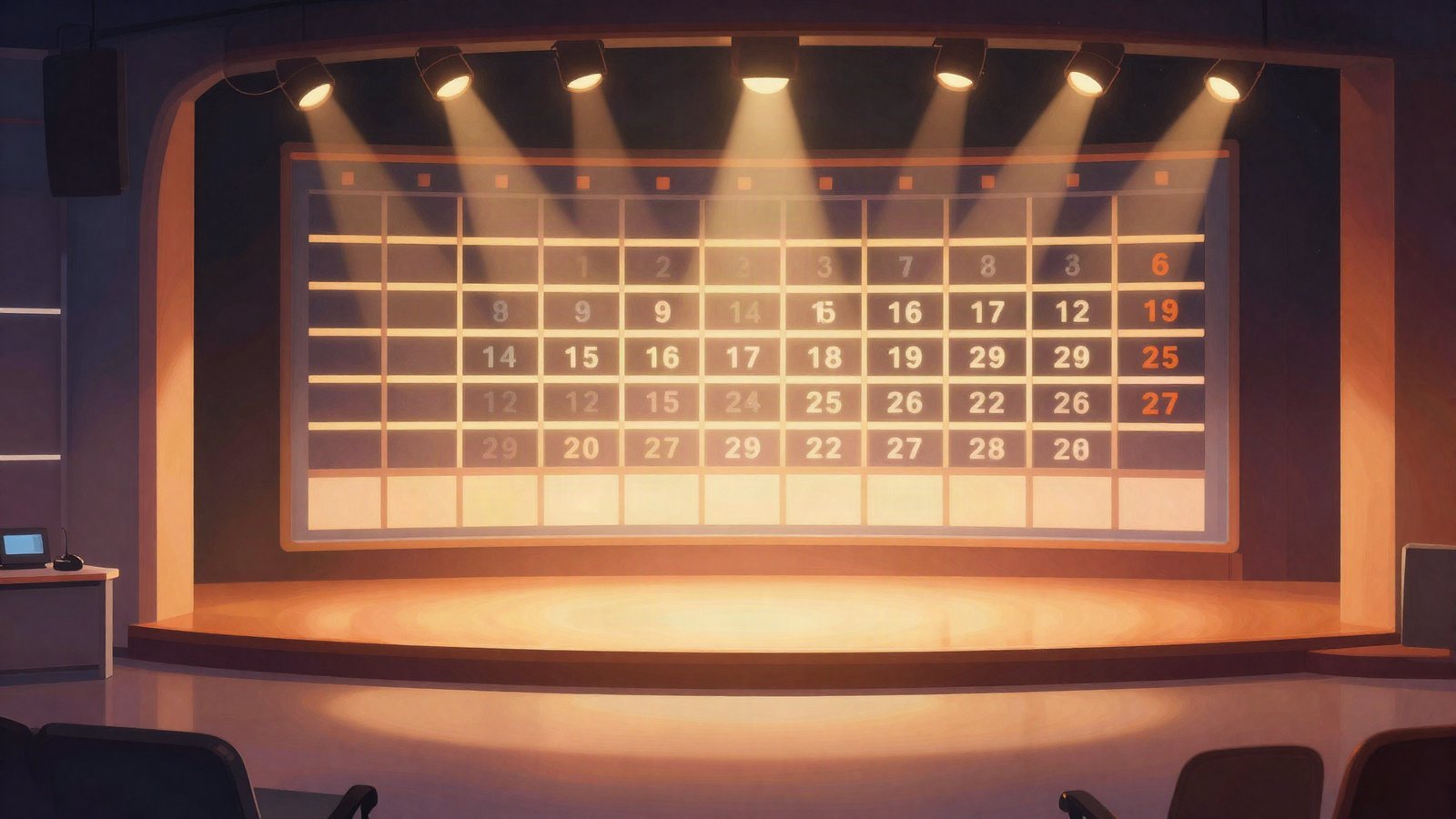
- Dancing With the Stars is set to premiere on September 15.
- Abbott Elementary is scheduled to return on October 7.
- An October 15 drama block features 9-1-1, 9-1-1: Nashville and Grey's Anatomy.
- Network schedules can shift due to sports, production delays or strategy, and local listings may vary.
ABC has laid out its plans for autumn, confirming a fall 2026 premiere calendar that leans hard on familiar names. The network is spreading its returning hits across September and October, betting that a mix of live competition, workplace comedy and long-running procedural drama can still command a broad audience. It is a schedule assembled with intent, and the timing choices reveal how a legacy broadcaster is thinking about the season ahead.
The premiere calendar takes shape
At the centre of the plan sits Dancing With the Stars, which is set to premiere on September 15. The dance competition remains one of the format staples that broadcast networks can still program live, and its early launch gives ABC a promotional platform for everything that follows. Comedy arrives a few weeks later, with Abbott Elementary scheduled to return on October 7, extending the run of a show that has become a signature title for the network.
The most striking piece of the calendar is a coordinated drama block dated for October 15. That evening is built around 9-1-1, its spin-off 9-1-1: Nashville and the durable medical drama Grey's Anatomy. Grouping these titles together concentrates ABC's most reliable scripted franchises into a single, heavily marketed launch. The tactic is designed to turn one night into an event rather than a series of scattered returns.
That approach also reflects how much a broadcaster leans on its strongest hours. By stacking proven dramas on the same evening, the network invites viewers to settle in for a full block rather than sampling a single show. The spin-off placement is particularly telling. Pairing 9-1-1: Nashville with its parent series lets the newer title borrow the established audience of the original, a common way to give a fresh franchise its best chance.
Why familiar brands still matter
The creative logic here is not about novelty. It rests on the continuing value of live competition, comedy and established procedural drama in a market where broadcast television competes with streaming services and live sports for attention. Procedurals and long-running dramas offer predictability. Viewers know the characters, the rhythms and the tone, which lowers the barrier to tuning in week after week.
That predictability is an asset when audiences are fragmented across dozens of platforms. A returning brand carries built-in awareness, and a familiar premiere date gives a network something concrete to promote for weeks. Live formats such as Dancing With the Stars add a further layer, because appointment viewing is harder to replicate on demand and can still draw a communal, real-time audience.
The business behind the layout
A coordinated schedule does more than fill hours. It supports advertising sales, gives affiliate stations a clear promotional runway and feeds streaming viewing on Hulu, where many of these titles find a second life. Marketing returning brands efficiently is central to the strategy, because a well-sequenced lineup lets the network cross-promote one show inside another and stretch a limited promotional budget.
The interplay between broadcast and streaming is now a defining feature of how these schedules are built. Episodes that air first on ABC can drive later engagement on Hulu, turning a single premiere into a longer commercial tail. That relationship shapes which titles are prioritised and how their launch windows are timed against the rest of the calendar.
Spreading the premieres across several weeks serves this system too. Rather than launching everything at once, the staggered dates give each title its own moment in the promotional spotlight. A September start for the competition series clears space before the October comedy and drama returns, so no single show has to fight its stablemates for attention. That sequencing is a form of internal traffic control, meant to maximise sampling across the whole slate.
Caveats and moving parts
None of this is fixed in stone. Network schedules can change because of sports commitments, production delays or strategic moves, and local listings may vary from market to market. A live sporting event can push a premiere, and a production hiccup can shift a return date. The published calendar should be read as a plan rather than a guarantee, subject to the ordinary turbulence of broadcast programming.
Public reaction will also play a role. The conversation around the fall lineup will be shaped by trailers, early reviews, social media chatter and the reputation of the talent involved. A warmly received promo can build momentum, while a muted response can prompt a rethink of promotion or placement well before the cameras roll for the new season.
Cast news before September
The next meaningful signals will be cast announcements, any time-slot adjustments and the promotional campaigns that ramp up as September approaches. After the shows launch, attention will turn to how they perform once delayed viewing is counted, with Live-plus-seven-day figures offering a fuller picture than overnight numbers alone. Those measurements will tell ABC whether its bet on familiar brands is paying off.
For now, the schedule stands as a statement of priorities. By anchoring the fall around Dancing With the Stars, Abbott Elementary and a stacked October drama night, ABC is signalling confidence in the enduring pull of established franchises. Whether that confidence is rewarded will depend on execution, competition and the unpredictable habits of an audience with more choices than ever before.
Sources
- ABC press
- The Wrap television
You may also like to read

BTS close out Europe with two sold-out nights at the Stade de France
The K-pop superstars end the European leg of their record 79-show Arirang world tour in Paris on 17-18 July, their first French shows since 2019, before a US stadium run.

California Backs 41 Productions With New Tax Credits in Bid to Win Back Filming
State officials picked 41 film and TV projects for fresh incentives, projecting billions in activity as California fights to win back production drifting elsewhere.
Dark Matter Season 2 Sets August 28 Apple TV Return and Expands With a Companion Podcast
Apple TV has set Dark Matter season two for August 28, 2026, with ten episodes and a companion podcast built to extend discussion of the science-fiction drama.

Emmys 2026: The Pitt Dominates With 25 Nods as Hacks Breaks the Comedy Record
The Pitt leads the 2026 Emmy nominations with 25 nods, Hacks sets a comedy record with 24, and Apple TV's freshman slate crashes the party in force.