US-Saudi Strikes on Iran-Backed Militias Put Iraqi Sovereignty Under New Pressure
The first acknowledged joint US-Saudi strikes on Iran-linked militias in Iraq widened the war and angered Baghdad, which said it had no prior knowledge of them.
Commentary & Analysis ·
Verified key facts
- US and Saudi forces struck Iran-linked militia positions in Iraq after drone attacks on Saudi and US targets.
- The reporting describes these as the first publicly acknowledged joint US-Saudi strikes in Iraq.
- Strikes reportedly hit logistics and weapons sites in several provinces and killed fighters and Iranian advisers.
- Washington and Riyadh called the action self-defence; Iraq said it had no prior knowledge.
- Analysts warn Iraq could become a primary battlefield between foreign powers.
A new kind of strike on Iraqi soil
The war between Iran and its adversaries widened this week with strikes on Iraqi territory. According to contemporaneous reporting, US and Saudi forces struck Iran-linked militia positions in Iraq after drone attacks on Saudi and US targets. The action was described as the first publicly acknowledged joint US-Saudi strikes in the country.
That distinction matters. A jointly acknowledged Saudi role marks a shift from earlier patterns and signals closer coordination between Washington and Riyadh. It also placed Iraq squarely in the path of a conflict fought increasingly across its borders, angering the government in Baghdad.
Where the strikes landed
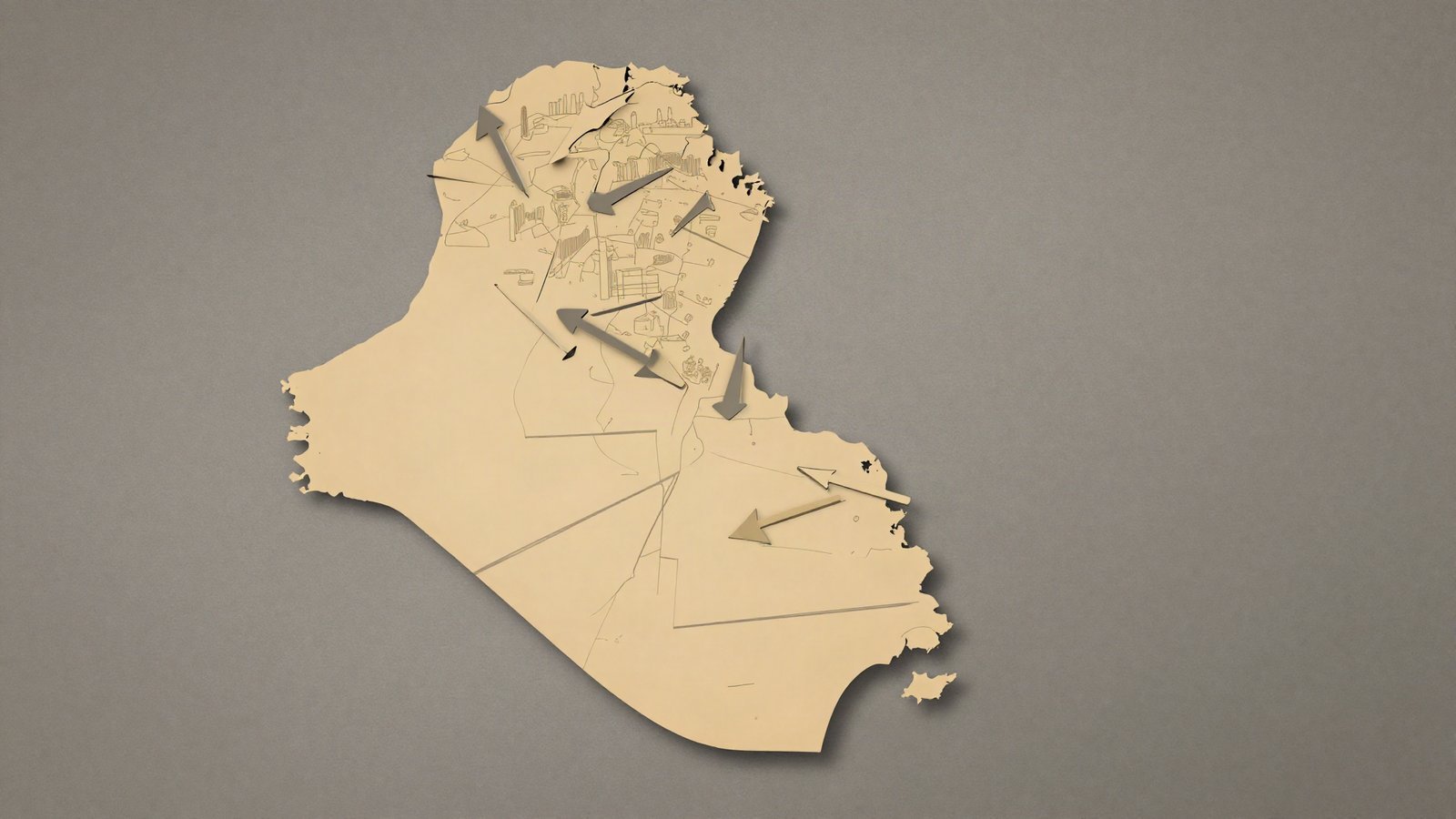
According to available reporting, the strikes hit logistics and weapons sites in several Iraqi provinces. They reportedly killed fighters and Iranian advisers. These accounts describe the targeting of supply and armament infrastructure rather than a single location.
Those involved are the United States, Saudi Arabia, Iraq, the Popular Mobilization Forces and Iran. The Popular Mobilization Forces are an array of armed groups, some closely tied to Iran, that operate within Iraq. Reports of casualties, including Iranian advisers, came from parties to the conflict and have not been independently verified in the material available here.
The Popular Mobilization Forces emerged as a significant armed presence during earlier conflicts in Iraq and were later given a formal role within the state's security structure. Yet their relationship to central authority has remained complicated, with some factions maintaining close ties to Iran. That ambiguity sits at the centre of the current crisis. Strikes on their positions therefore touch not only the wider war but also unresolved questions about who controls force inside Iraq.
Self-defence versus violated sovereignty
The parties framed the strikes in opposing terms. Washington and Riyadh called the action self-defence, presenting it as a response to drone attacks on their targets. In that account, the strikes were a proportionate answer to aggression.
Iraq offered a different view. Baghdad said it had no prior knowledge of the strikes and criticised the violation of its sovereignty. For the Iraqi government, foreign forces striking its territory without consent raised fundamental questions about control over its own land, regardless of who the targets were.
This tension sits at the heart of the episode. Iraq hosts groups linked to Iran and maintains ties with Tehran, yet it also seeks relations with the United States and Gulf states. Strikes on its soil force uncomfortable choices about how to respond.
Civilians near the targets
The strikes carried risks for ordinary Iraqis. According to documented accountsing, militia bases are often near communities. Retaliatory attacks, in turn, place Iraqi civilians and infrastructure at risk.
The proximity of military targets to populated areas means that strikes and any responses can endanger people with no part in the fighting. Infrastructure damaged in exchanges may serve civilian needs. As the conflict plays out on Iraqi territory, the population risks bearing costs generated by decisions made elsewhere.
Baghdad's balancing act
The Iraqi government faces a delicate task. According to contemporaneous reporting, Baghdad tried to preserve relations with both Iran and Gulf states while working to control armed groups within its borders. These aims can pull in different directions.
Maintaining ties with Tehran and with Riyadh simultaneously requires careful diplomacy, especially when the two are on opposing sides of a conflict. Asserting control over armed groups, some of which are aligned with Iran, adds a further internal challenge. The strikes complicated all of these efforts at once.
The risk of becoming a battlefield
Analysts tracking the conflicting warned of a serious danger. Iraq, they said, could become a primary battlefield between foreign powers. Such an outcome could undermine the state and revive sectarian tension.
Iraq has endured periods of severe internal conflict, and observers fear that renewed violence could reopen old fractures. If foreign powers use Iraqi territory to strike one another, the authority of the state could weaken further. That prospect gives Baghdad a strong interest in containing the spillover.
The country's geography places it between competing powers, sharing borders and ties with several of the war's main actors. That position has long made Iraq vulnerable to being drawn into disputes not of its own making. The latest strikes reinforced that vulnerability. They showed how quickly Iraqi territory can become a stage for a confrontation whose principal drivers lie elsewhere in the region.
Action in the Iraqi parliament
Several developments will indicate where events head. Iraqi parliamentary action could shape the official response, including any measures on the presence of foreign forces. Militia retaliation, if it comes, will show how the targeted groups answer.
Continued US-Saudi coordination will reveal whether the joint approach persists. Efforts to integrate or disarm Popular Mobilization Forces factions will test Baghdad's ability to assert control. Each thread bears on whether Iraq can stay out of the war's centre, or is drawn deeper into it.
How the government manages public reaction will matter as well. Strikes on Iraqi soil can stir strong feeling, and calls for a firm response may grow. Balancing that pressure against the need to preserve foreign ties will test Baghdad's political skill. The coming weeks will show whether it can navigate those competing demands without further destabilising the country.
Sources
- AP - US strikes and Iraqi militia targets
- Guardian - Iraq had no prior knowledge
- Le Monde - Joint US-Saudi strikes
You may also like to read
Iraq's Government Faces a Militia Disarmament Test as the Regional War Spills Across Its Territory
Foreign strikes and militia drone attacks pressed Baghdad to assert control, as some Popular Mobilization factions weighed disarmament while others firmly refused.
US strikes on Iran continue as interim truce collapses over Hormuz dispute
US bombing has entered a third week after a June memorandum broke down. Washington and Tehran blame each other as the Strait of Hormuz stays contested.

Analysts Say Iran Is Setting the Tempo in a Prolonged War With the United States
Analysts describe Tehran using regional disruption and endurance, not a single decisive battle, to shape US choices, as mediators keep searching for an off-ramp.
US Launches New Strikes on Iranian Targets After Attack on American Forces
The US struck Iranian targets after saying its forces in Jordan were attacked, as President Trump promised retaliation and Iran vowed to answer the strikes.