Oma's Pride Recalls Woof Complete Canine Chicken Recipe in 11 States After Salmonella Sickens Dogs
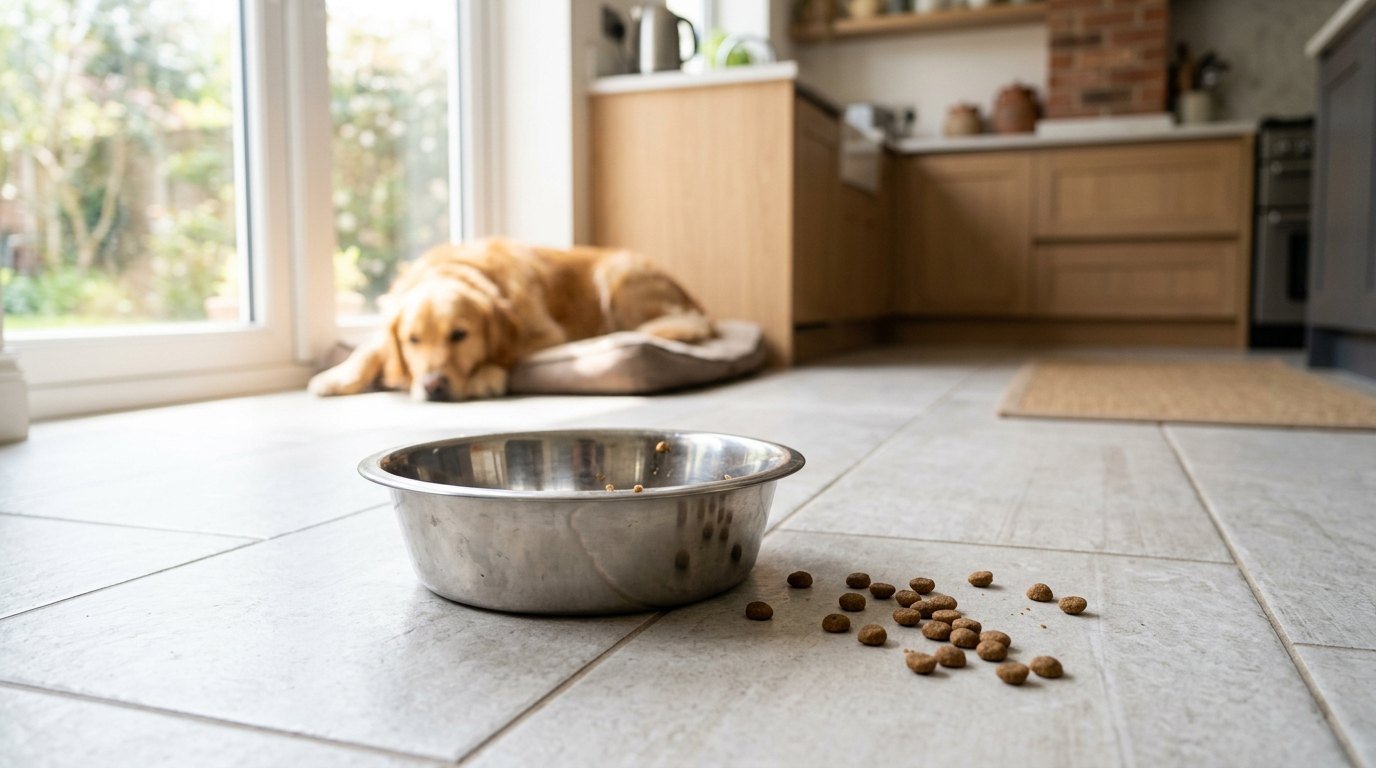
Three dogs have fallen ill in connection with the recalled six-pound bags, which carry lot BB012729 and a best-by date of 27 January 2029.
Commentary & Analysis ·
Verified key facts
- Oma's Pride voluntarily recalled six-pound bags of Woof Complete Canine Chicken Recipe over salmonella contamination, Food Safety News reported
- Three reports of illness in dogs are connected to the recall, per Fast Company
- The recall covers a single lot, BB012729, with a best-by date of 27 January 2029 and UPC 8 7938400145 9, per Food Safety News
- Affected product was sold in Arizona, California, Indiana, Kentucky, Louisiana, Maryland, New Jersey, Nevada, New York, Pennsylvania and Virginia, Local 12 reported
- Owners are advised to stop feeding the product immediately, discard it and contact Oma's Pride on 1-800-768-OMAS for a refund
What has been recalled
Connecticut-based pet food maker Oma's Pride has issued a voluntary recall of its Woof Complete Canine Chicken Recipe after learning the product was contaminated with salmonella, Food Safety News reported. The recall covers six-pound bags from a single lot, BB012729, carrying a best-by date of 27 January 2029 and the UPC code 8 7938400145 9.
Three reports of illness in dogs have been connected to the recalled food, per Fast Company. The recall is limited to the one lot; other Oma's Pride products and other lot numbers of the same recipe are not affected. The narrow scope is worth stressing in both directions: owners of unaffected lots need take no action, while owners holding the recalled lot should not assume a small recall means a small risk, since the illnesses already reported establish that contaminated bags reached homes and were fed.
Where the food was sold
The affected bags were distributed across eleven states: Arizona, California, Indiana, Kentucky, Louisiana, Maryland, New Jersey, Nevada, New York, Pennsylvania and Virginia, according to Local 12's report on the recall. That geography spans both coasts and much of the interior, a reminder that even smaller speciality pet food brands now ship nationally through distributors and online storefronts.
The spread matters because raw and gently-cooked pet foods of this type are typically sold through independent pet retailers and direct shipping rather than national grocery chains, meaning owners cannot rely on a store notice to learn their bag is affected. Checking the lot code printed on the packaging is the only reliable test.
What owners should do now
The company's advice is unambiguous: stop feeding the product immediately, throw it away in a secure bin that animals cannot raid, and contact Oma's Pride on 1-800-768-OMAS for a refund. Surfaces, bowls, scoops and storage containers that touched the food should be washed thoroughly with hot soapy water.
Owners whose dogs have eaten from an affected bag should watch for the signs of salmonella infection in pets: lethargy, diarrhoea that may contain blood, vomiting, fever and reduced appetite. A dog showing those symptoms needs a veterinary consultation, and mentioning the recall by name will speed the diagnosis.
The risk runs to humans as well
Salmonella in pet food endangers the household, not only the pet. The bacteria transfer to human hands during scooping and bowl-washing, and infected dogs can shed the organism in their stool even when they appear healthy, a route the US Food and Drug Administration highlights in its standing guidance on contaminated pet food.
Human salmonellosis produces fever, diarrhoea and abdominal cramping, and is most dangerous for young children, the elderly and people with weakened immune systems. Anyone who has handled the recalled product and developed symptoms should tell their doctor about the exposure.
A recurring problem in a growing market
This is the latest in a steady series of salmonella recalls that have accompanied the boom in raw and minimally processed dog food, a category whose skipped or gentler kill steps leave less margin for error in sourcing and handling. Fast Company noted the recall arrived amid a year of similar contamination scares across the US pet food industry.
Veterinary bodies have long flagged the trade-off: the feeding styles owners choose for perceived health benefits carry a documented pathogen risk that conventional extruded kibble largely engineers away. For manufacturers in the category, lot-level traceability, as seen in this single-lot recall, has become the difference between a contained incident and a brand-ending one.
How contamination enters the supply chain
Salmonella lives in the intestinal tracts of poultry and other livestock, which makes raw chicken among the most demanding ingredients in pet food manufacturing. Conventional kibble kills the bacteria in the high-heat extrusion process; raw and gently prepared recipes depend instead on sourcing controls, high-pressure processing and test-and-hold protocols, and a lapse at any of those points can carry live bacteria into the finished bag.
Single-lot recalls like this one usually indicate the company's own testing or a customer complaint caught the problem after distribution, rather than a systemic breakdown. The investigation that follows a recall works backwards through supplier records to find where the pathogen entered, and its findings determine whether the recall stays limited to one lot or widens.
Recalls are the system working, imperfectly
Pet food recalls are announced through the FDA's public recall listings, which is where owners can confirm details and watch for expansions. Veterinary organisations maintain their own trackers, and the American Veterinary Medical Association's recall alerts service exists precisely because owners rarely see news of a recall before their dog sees the next meal.
The practical lesson for owners of any brand is administrative rather than alarming: keep the bag, or at least a photograph of its lot code and best-by date, until the food is finished. A recall notice is only actionable by owners who can answer the single question every notice asks, which lot is in the cupboard.
The lot code that settles it: BB012729
For worried owners the entire question reduces to one string of characters. A bag of Woof Complete Canine Chicken Recipe with lot BB012729 and the 27 January 2029 best-by date goes in the bin and earns a refund call; any other lot is outside the recall.
Oma's Pride says customers with questions can reach it on the recall line, and updates will post through the FDA's recall listings as the investigation into the contamination's source proceeds. The three sick dogs, per Fast Company's report, are the running count to watch.
Sources
- Food Safety News - Dog food recalled because of illnesses
- Fast Company - Pet food recall 2026: dogs get sick in latest US salmonella scare
- Local 12 - Dog food sold in Tri-State area recalled for potential salmonella contamination
- Dogster - Dog Food Recall Information & Alerts (August 2026)
You may also like to read
US Cyclospora Outbreak Nears 7,000 Cases as Officials Eye Salad Greens
A parasite that causes prolonged diarrhoea has spread across 34 US states, with Michigan hardest hit and investigators examining lettuce as a suspect.

Kindergarten Vaccine Exemptions Reach a Record 4.2% as Coverage Slips for Every Shot the CDC Tracks
About 155,000 American five-year-olds are exempt from at least one vaccine, and MMR coverage has fallen to 92.4%.
US Measles Cases Reach 2,465, a 35-Year High and a Second Straight Record Year
CDC data shows 2026 has already surpassed last year's total with months to spare, with 93% of cases in unvaccinated people and 37 outbreaks putting America's measles elimination status at risk.
Congo's Ebola Outbreak Passes 2,000 Deaths as Experts Reassure Americans the US Risk Stays Low
The Bundibugyo-strain epidemic has recorded 4,381 confirmed cases across eastern DRC with earlier cross-border spread into Uganda, while US health experts stress the threat to Americans remains minimal.