CJNG Leadership Changes and US Prosecutions Reshape Mexico's Cartel Conflict
The death of a top cartel leader and his brother's US guilty plea have altered the CJNG's leadership picture, but analysts caution the violence is unlikely to end.
Commentary & Analysis ·
Verified key facts
- Antonio Oseguera Cervantes pleaded guilty in the US after the death of CJNG leader Nemesio Oseguera Cervantes earlier in the year.
- Both governments described the cases as major blows to the cartel.
- Analysts warn cartels can fragment and become more violent after leadership losses.
- US prosecutions and Mexican military pressure targeted leadership and finances, according to documented accounts.
- US-Mexico security cooperation includes extradition, sanctions and intelligence sharing.
A shift at the top of a powerful cartel
The death of the leader known as El Mencho, and a guilty plea by his brother, have altered the leadership picture of the Jalisco New Generation Cartel, or CJNG. Yet neither development has ended the violence associated with the group, according to the published accounts underpinning this article.
Antonio Oseguera Cervantes pleaded guilty in the United States, published reporting states, following the death of CJNG leader Nemesio Oseguera Cervantes earlier in the year. Together, the two events mark a significant change at the top of one of Mexico's most powerful criminal organisations.
Governments claim major blows
Both the Mexican and US governments described the cases as major blows to the cartel, available reporting indicates. That framing reflects years of effort by the two states to target the group's leadership through prosecution and military pressure.
According to contemporaneous reporting, US prosecutions and Mexican military pressure targeted both leadership and finances. The principal actors identified are the CJNG, the Mexican government, the United States and rival cartels. The official narrative presents the developments as evidence of progress against the organisation.
Why analysts urge caution
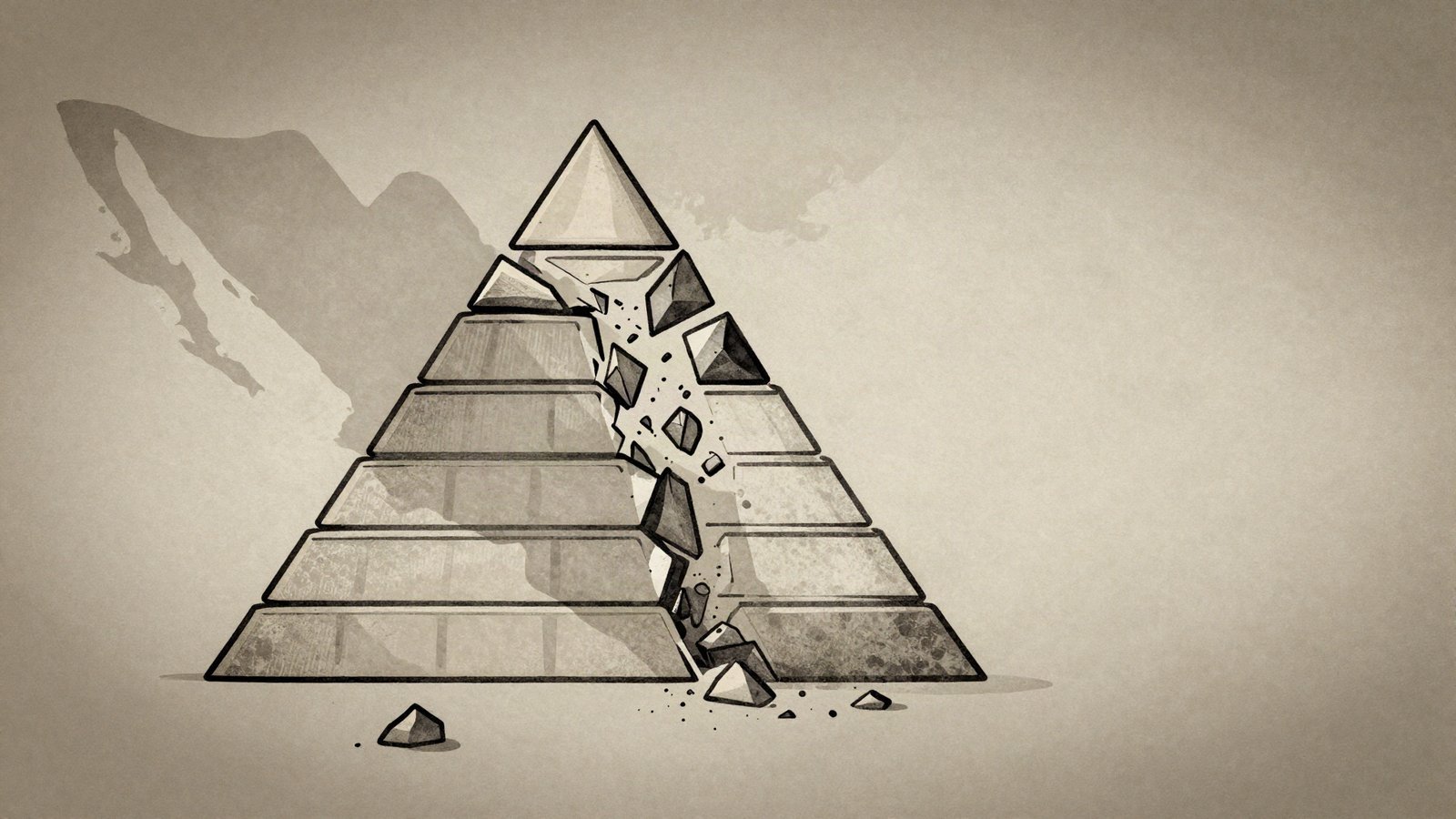
Against the governments' assessments, analysts sound a note of caution. They warn that cartels can fragment and become more violent after leadership losses, published reporting notes. The removal of senior figures does not necessarily weaken a group's capacity for violence.
The concern is that a leadership vacuum can trigger internal competition. Where a single leadership once imposed order, rival factions may contend for control, and that contest can drive up violence. This dynamic is presented as an analytical warning rather than a confirmed outcome.
Rival cartels add a further variable. A period of internal uncertainty within one group can invite challenges from competitors seeking to seize territory or trafficking routes. Contemporaneous reporting lists rival cartels among the principal actors. That is a reminder that the conflict is not a contest between the state and a single organisation, but a shifting field of competing armed groups.
The pattern of fragmentation
The risk of fragmentation is a recurring theme in the study of organised crime. Available reporting states that fragmentation can produce splinter groups and local wars even as senior leaders are removed. Decapitation strategies, targeting the top of an organisation, have sometimes been followed by splintering rather than collapse.
When a large group breaks apart, the resulting smaller factions may fight one another for territory and revenue streams. Such local wars can prove intensely violent for the communities where they play out, even if the original organisation's national reach diminishes. That possibility shadows the current moment.
The CJNG grew over years into one of Mexico's most powerful and geographically extensive criminal organisations. Its reach spans multiple activities and regions, which is part of what makes the current leadership question significant. A group of that scale does not necessarily unravel when senior figures are removed, but its internal balance can shift in unpredictable ways.
The weight on communities
The human consequences of cartel conflict fall heavily on ordinary people. Communities face extortion, disappearances, forced recruitment and battles between factions, according to documented accounts. These harms persist regardless of changes at the leadership level.
If leadership losses do lead to fragmentation, the burden on affected communities could grow rather than ease. Extortion and forced recruitment are features of cartel control that new factions may replicate as they establish themselves. Published reporting frames these civilian impacts as central to understanding the conflict's cost.
For many communities, the identity of the group in control matters less than the fact of control itself. Whoever holds a territory tends to impose demands on residents and businesses. A change at the top of a cartel, or even its splintering, does not automatically relieve those pressures. It may simply alter who exerts them.
Cross-border cooperation
The developments reflect close cooperation between the two governments. US-Mexico security cooperation includes extradition, sanctions and intelligence sharing, available reporting shows. The guilty plea in a US court illustrates how legal action across the border forms part of the joint approach.
This cooperation gives the two states multiple tools beyond military operations. Extradition brings suspects before US courts, sanctions target finances, and intelligence sharing supports operations on the ground. The reporting presents these as elements of a coordinated strategy against the cartel's leadership and revenue.
Prosecutions abroad carry particular weight because they can remove leaders from the equation in ways domestic action sometimes cannot. A guilty plea in a US court, such as the one described in reporting, brings a measure of legal finality. Yet the analytical caution remains that legal victories against individuals do not automatically translate into safer conditions on the ground.
Whether the violence falls or shifts
The period ahead will reveal whether the leadership changes reduce violence or reshape it. Observers will be watching succession struggles within the cartel, patterns in homicide figures, further extraditions and the evolution of cross-border security agreements.
The death of El Mencho and his brother's guilty plea mark a real shift in the CJNG's leadership. Whether that shift brings a lasting reduction in violence, or instead a period of fragmentation and local conflict, is the question analysts and communities alike are now watching closely.
Sources
- AP - Antonio Oseguera guilty plea
- HRW - Mexico World Report
You may also like to read

Ecuador's Internal Armed Conflict Strategy Faces New Abuse Allegations and Questions Over US Support
A rights report has challenged the safeguards of Ecuador's militarised anti-gang campaign, alleging abuses and raising questions about the scope of US involvement.

US Imposes 25% Tariff on Most Brazilian Goods as Section 301 Clock Runs Out
Washington has imposed a 25% Section 301 tariff on most Brazilian goods from 22 July, citing content-moderation orders, IP failures and ethanol barriers.
Truck Bombing at Cucuta Police Base Points to a Harder Phase in Colombia's ELN Conflict
An explosion outside a Cucuta police base injured officers days before a presidential handover, testing the government's total-peace strategy on a tense border.

Canadian Wildfire Smoke Chokes the US Northeast as 2026 Fire Season Intensifies
Smoke from hundreds of Canadian wildfires has pushed air quality alerts across the US Northeast and Mid-Atlantic, exposing over 115 million people to bad air.