Ariana Grande Sues Unidentified Hackers Over Unreleased Music and Private Files
The singer filed suit against anonymous defendants over alleged theft of unreleased music and private files, spotlighting how artists pursue hidden attackers.
Commentary & Analysis ·
Verified key facts
- Ariana Grande filed a lawsuit against unidentified hackers over alleged theft or distribution of unreleased music and private files.
- The allegations have not been adjudicated, and the defendants remain unnamed.
- Litigation can compel platforms and service providers to preserve evidence.
- Leaks can disrupt release plans and expose intimate personal information.
- The scope of any accessed material should not be expanded through speculation.
A legal move against anonymous attackers
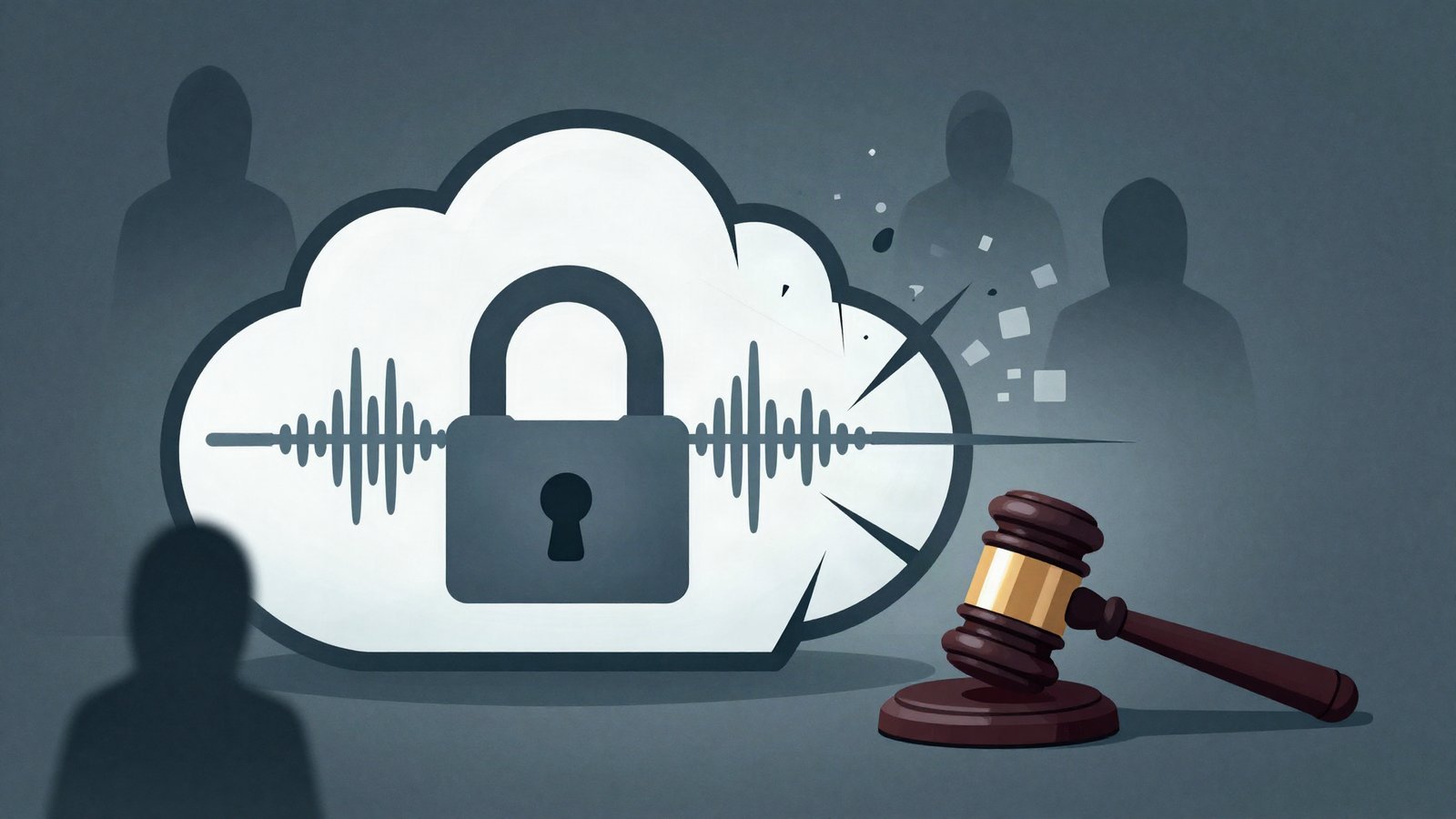
Ariana Grande has filed a lawsuit against unidentified hackers. The suit alleges the theft or distribution of unreleased music and private files. It targets defendants whose identities are not yet known. That is a common feature of cases arising from digital intrusions, where those responsible often hide behind layers of anonymity.
It is worth framing the matter precisely. The filing sets out allegations that have not been tested or proven in court. At this stage the case is a claim seeking legal remedy. It is not an established finding of wrongdoing, and the conduct of the defendants remains to be determined.
How lawsuits chase unnamed defendants
Suing unidentified parties may sound futile, but it is a well-established tactic. Initiating litigation against anonymous defendants can unlock powerful legal tools. Courts can authorize requests to intermediaries. Those requests may compel platforms and internet service providers to preserve and disclose useful information.
This is often the first step in a longer process. Preservation orders prevent relevant evidence from being deleted. Subsequent discovery can gradually narrow the field of possible suspects. For an artist confronting a leak, moving quickly can be as much about locking down evidence as assigning blame.
Why leaks hit artists so hard
The vulnerability at the heart of the case is one that many artists share. Cloud accounts, creative archives and personal information sit at the intersection of work and private life. A breach can expose finished songs and works in progress alike. Session files and intimate material never meant for the public can surface too.
The commercial damage can be significant. Unreleased music that surfaces early can upend a carefully planned rollout. It can undercut the impact of an official release. It can also reduce the negotiating value of the work.
Beyond the business consequences, the exposure of private files can be deeply personal. It can affect an artist's sense of security in a way no chart position offsets. The harm reaches past the balance sheet. That is part of why such cases draw urgent legal responses.
The role of litigation
Legal action serves several purposes at once. It can trigger takedown efforts to remove stolen material from circulation. It can create a formal record of the alleged harm. It can also pressure intermediaries to cooperate in identifying wrongdoers.
Yet the courts move at their own pace. Identifying anonymous defendants can be slow. Even success does not guarantee that stolen files can be fully removed once they spread online. The practical value of litigation often lies in the leverage it creates rather than any single dramatic outcome.
The limits of what is known
Responsible coverage requires restraint. The defendants are unidentified and the allegations remain unproven. The precise scope of any accessed material should not be inflated through speculation. Reports that guess at what was taken risk amplifying the very harm the lawsuit seeks to contain.
This caution is not merely legal etiquette. Overstating a breach can spread rumors. It can encourage further circulation of stolen files. It can also compound the distress caused to those affected. The most accurate account sticks to what has been formally alleged.
The mechanics of exposure
The rise of cloud collaboration explains much of the exposure. Modern music is made across devices and locations. Files move between producers, engineers and artists through shared accounts. Each connection is a potential point of failure.
Attackers have grown more opportunistic as a result. Stolen material can be leaked for notoriety or held for extortion. Some seek payment, while others simply crave attention. The motive shapes how a breach unfolds and how victims respond.
The law offers several avenues beyond a single suit. Copyright claims can target unauthorized distribution. Computer-intrusion statutes may apply to the breach itself. Privacy claims can address exposed personal material.
Enforcement, however, is rarely simple. Anonymity tools can obscure a trail. Servers may sit in distant jurisdictions. Cooperation from platforms and authorities can take time to secure.
Public figures face a particular version of the problem. Their unreleased work carries commercial value and cultural weight. That combination makes them attractive targets. It also means a single breach can reverberate far beyond the individual.
Insurance and risk management have entered the conversation too. Some artists and labels now treat cyber threats as a business risk. They invest in monitoring and response planning. A breach is easier to contain when a plan already exists. Preparation, increasingly, is part of professional practice.
Awareness alone changes behavior. Studios brief their teams on secure file handling. Artists ask sharper questions about where their work is stored. Small habits reduce exposure over time.
A wider warning for the industry
The case arrives amid growing awareness of how exposed creative professionals can be. As more of the recording process lives in the cloud, the attack surface has expanded. High-profile targets face particular risk. Leaked material carries both commercial value and shock value.
For artists and their teams, the episode is a reminder to strengthen security. It also underscores the value of a rapid legal response when a breach occurs. For the wider industry, it raises questions about how platforms safeguard the material entrusted to them. The clearest next signals will be court orders identifying defendants, any takedown actions, and statements from authorized representatives.
Sources
- ABC News entertainment
- The Guardian music
- The Wrap legal entertainment
You may also like to read

TIDAL stops paying royalties on AI-generated music as industry labeling rules land
From 15 July, wholly AI-generated tracks on TIDAL earn no royalties and carry visible AI badges, as an eight-group coalition pushes voluntary labels across streaming.
Katy Perry Objects After White House Uses Firework in an Iran Bombing Video
The singer objected after her song Firework appeared in a White House video tied to bombing in Iran, reviving the fraught debate over political use of popular music.

Ernst & Young Discloses Breach After Hackers Raid a Third-Party Support System
EY has begun notifying clients that attackers accessed a third-party IT support platform for two weeks and downloaded documents holding tax and financial data.

Russian hackers turned ordinary security cameras into spies on NATO supply routes
Dutch intelligence says Russia-linked hackers hijacked internet-connected cameras to watch military shipments bound for Ukraine, part of a wider European campaign.