What Is Known About Quévin Castro's Death at 25 in Portugal
Former West Bromwich Albion midfielder Quévin Castro has died aged 25 after collapsing during a friendly in Portugal, with no cause announced.
Commentary & Analysis ·
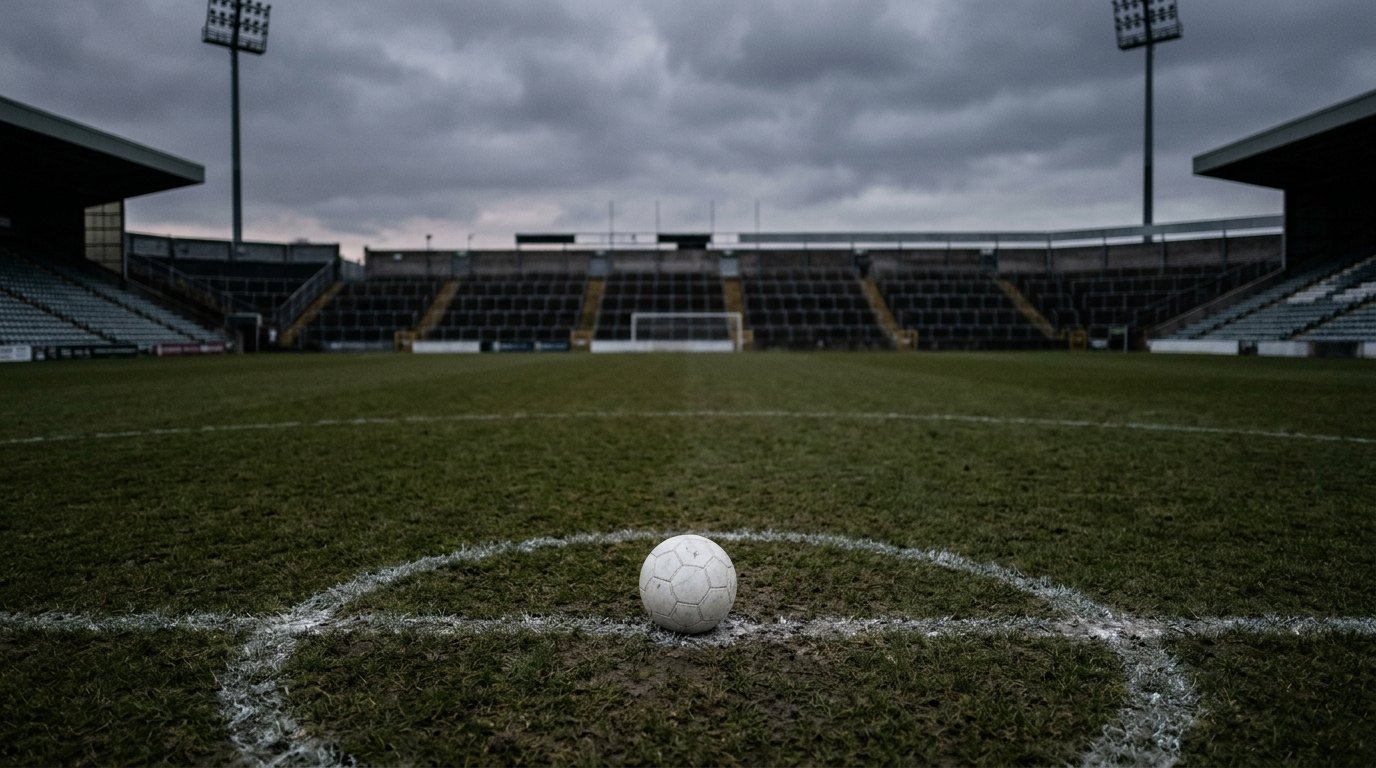
A 25-year-old footballer collapsed a few minutes into a friendly on Saturday and later died in hospital. If you are looking for a reason, there isn't one yet: no cause has been announced. What follows is what has actually been confirmed - where it happened, how medical staff responded, and the career that took him from Norfolk non-league football to West Brom and back to Portugal.
Verified key facts
- Portuguese Players’ Union: Castro, 25, died after collapsing in the opening minutes of a friendly involving Real Sport Clube and Estrela da Amadora.
- Renascença: The match was at Estádio das Seixas in Malveira and medical staff used a defibrillator before emergency services transported him to hospital.
- TalkSPORT: Castro had played for West Bromwich Albion and later represented a number of English clubs including Burton Albion and York City.
- YorkMix / York City: York City said it was devastated by the death of a former player who had made 16 appearances for the club in 2023-24.
- Real Sport Clube and Estrela da Amadora, via Portuguese media: Both clubs issued condolences to Castro’s family, friends and teammates; no underlying cause of death has been publicly disclosed.
A pre-season friendly became an emergency in the opening minutes
Quévin Castro, the Portugal-born midfielder who built much of his career in England, has died aged 25 after collapsing during a friendly on Saturday. Portuguese reports and the country's Players' Union say he was playing for Real Sport Clube against Estrela da Amadora at Estádio das Seixas in Malveira when he went down in the opening minutes of the match. Accounts differ on the exact moment: the BBC reported that he collapsed around ten minutes in, while CNN Portugal and Observador put it closer to the 14th minute. Medical staff from the teams responded immediately. Renascença reported that a defibrillator was used and Portugal's INEM emergency service was called; Castro was taken to hospital, where his death was confirmed. Some accounts say he had indicated that he felt unwell before the collapse. What is not known is why it happened. No official cause has been announced, and there is no responsible basis for connecting the death to any medical condition, treatment or previous event.
The response on the pitch was immediate and coordinated
The detail that can be reported with confidence concerns the emergency response rather than the cause. Renascença and other Portuguese outlets say a doctor associated with Estrela da Amadora assisted Castro and a defibrillator was used before paramedics continued care. That sequence shows the kind of rapid response professional and semi-professional football tries to have available even for friendly matches. It does not establish what medical event occurred. A defibrillator is used in particular cardiac rhythms during resuscitation, but its use alone cannot diagnose the underlying reason a person collapsed. The Portuguese Players' Union described a cardiorespiratory arrest, which is a description of the immediate emergency rather than necessarily the root cause. For that reason, speculation about inherited conditions, infections, heat, supplements or any other explanation would go beyond the information released by the clubs and authorities.
Castro’s route through English football was unusually wide
Castro's career did not follow a single academy-to-first-team line. He grew up in Norfolk after being born in Portugal and played in English non-league football before reaching West Bromwich Albion. TalkSPORT and Portuguese coverage record spells or loans involving Burton Albion, Notts County, Gateshead and York City, as well as later time with clubs including King's Lynn, Chippenham and Eastbourne Borough. He made senior appearances for West Brom, including in the League Cup and Championship, after joining the club's development structure. Portuguese reports also describe time in the Chelsea youth system, while other accounts refer to trials rather than a long academy stay; the safest description is that his development passed through several English clubs before West Brom gave him senior professional exposure. That breadth made the news resonate across many dressing rooms rather than one club alone.
York City remembered a teammate rather than a career statistic
York City issued one of the clearest English tributes. YorkMix reported the club saying it was "devastated" and describing Castro as a much-loved member of its 2023-24 team. He made 16 appearances across competitions for York and scored against Boreham Wood. The message matters because sudden deaths in sport can quickly turn a player into a list of clubs and dates. Teammates remember the person who trained, travelled and shared ordinary days with them. Similar condolences came from Real Sport Clube and Estrela da Amadora in Portugal, while former clubs and supporters posted messages throughout Saturday. The breadth of those tributes reflects the itinerant reality of many professional careers: a player can spend short periods at multiple teams and still leave close relationships in each place.
His return to Portugal had only just begun
Castro had joined Real Sport Clube for the new season after years in English football. Portuguese media identify the club interchangeably as Real SC or Real Massamá, reflecting its Massamá base. The friendly against top-flight Estrela da Amadora was part of preparation rather than a competitive fixture. That context makes the timing especially stark: a new signing was still settling into a side and building match fitness when the season's routine was interrupted. There is no sporting analysis to extract from the match itself, which was stopped after the emergency. The relevant facts are human and procedural. A 25-year-old footballer collapsed, medical professionals attempted resuscitation, he was taken to hospital and he died. The clubs then moved immediately from preparing for football to supporting people affected by a death.
Restraint matters when a young athlete dies suddenly
Sudden collapse in sport often creates a vacuum that social media fills faster than medical or legal processes can. That makes wording unusually important. The absence of a disclosed cause is not evidence for any particular theory. It may take time for family decisions, medical records or formal examinations to establish what happened, and some information may remain private. Reporting can accurately describe the use of a defibrillator, the transport to hospital and the statements from clubs without converting those observations into diagnosis. It can also recognise that young athletic appearance does not make any one cause more likely to a lay reader. The responsible standard is straightforward: honour the confirmed facts, attribute technical descriptions to medical or official sources and leave causal claims alone until an authorised source provides them.
Estadio das Seixas on 22 August is where the confirmed record stops
The most specific public record remains the sequence at Estádio das Seixas on 22 August. Castro collapsed in the opening quarter of an hour of the friendly, with Portuguese and British accounts placing it between the tenth and fourteenth minute; staff from both clubs responded, a defibrillator was used, INEM paramedics continued the emergency effort and he was taken to hospital, where his death was confirmed. Real Sport Clube, Estrela da Amadora, York City and others then issued tributes. Those facts are enough to report a sudden and devastating loss without turning the absence of a diagnosis into a mystery to be solved publicly. Any later medical finding should be reported only when it comes from Castro's family, the relevant medical authorities, his club or another properly identified source. Until that happens, the responsible boundary is the one already established on 22 August: the emergency response is known, the underlying cause is not.
Sources
- Portuguese Players’ Union (sjogadores.pt)
- Renascença (rr.pt)
- TalkSPORT (talksport.com)
- YorkMix (www.yorkmix.com)
- AS (as.com)
- Note: No cause of death has been disclosed, and references to resuscitation, defibrillation or cardiorespiratory arrest do not establish an underlying condition.
- Note: Reports differ on the exact minute of the collapse - the BBC gives about ten minutes, CNN Portugal and Observador about fourteen.
You may also like to read
Hull City Beat Manchester United 2-0 on Their Return to the Premier League
Semi Ajayi and Nobel Mendy scored from set pieces at the MKM Stadium as Michael Carrick lost his first league match as United's permanent manager.
João Cancelo Returns to Barcelona for a Third Spell, Signing to 2029 After Forcing His Al Hilal Exit
The Portugal full-back tore up his Saudi contract to rejoin the champions on a free, telling Al Hilal it was Barcelona or a year in the stands.
Messi Scores but Inter Miami Are Held 2-2 at Philadelphia as the Union's Revival Rolls On
Lionel Messi struck in the 26th minute at Subaru Park, but Neil Pierre's second-half equaliser earned the resurgent Union a point against Miami.
Barcelona Edge Al Ahly 2-1 in a Joan Gamper Trophy With a First: An African Club at Camp Nou's Curtain-Raiser
Hamza Abdelkarim scored against his boyhood club and Raphinha converted a penalty as Barcelona won the 61st Gamper before Zizo's reply for Al Ahly.