Google Unveils the Pixel 11 Lineup, Pixel Watch 5 and a Surprise Pixel Tag in New York
The Made by Google event introduced four Pixel 11 phones with a slimmer camera bar and a new HiLight notification LED, alongside the Pixel Watch 5 and a tracker called Pixel Tag, with Trevor Noah hosting the show.
Commentary & Analysis ·
Verified key facts
- Google's Made by Google 2026 event took place in New York on 12 August, beginning at 6pm ET and streamed on the company's YouTube channel, with Trevor Noah hosting.
- The phone lineup comprises the Pixel 11, Pixel 11 Pro, Pixel 11 Pro XL and Pixel 11 Pro Fold, per Android Central and Tom's Guide live coverage.
- The Pixel 11 models feature a thinner, less wobbly camera bar and a new HiLight notification LED that glows in different colours for alerts.
- The event also introduced the Pixel Watch 5 and a surprise item-tracker called Pixel Tag.
- Gemini AI features ran throughout the presentation, continuing Google's positioning of the Pixel line as its AI showcase.
What Google announced
Google used its Made by Google event in New York on Tuesday evening to refresh essentially its entire consumer hardware line: four Pixel 11 phones, the Pixel Watch 5 and, as the show's surprise, an item tracker called Pixel Tag. Trevor Noah hosted the presentation, which streamed on the company's YouTube channel from 6pm Eastern, per live coverage from Android Central, Tom's Guide and Android Police.
The phone family follows last year's structure: a standard Pixel 11, the Pixel 11 Pro, a larger Pro XL and the book-style Pixel 11 Pro Fold.
The design story: subtle, with one new trick
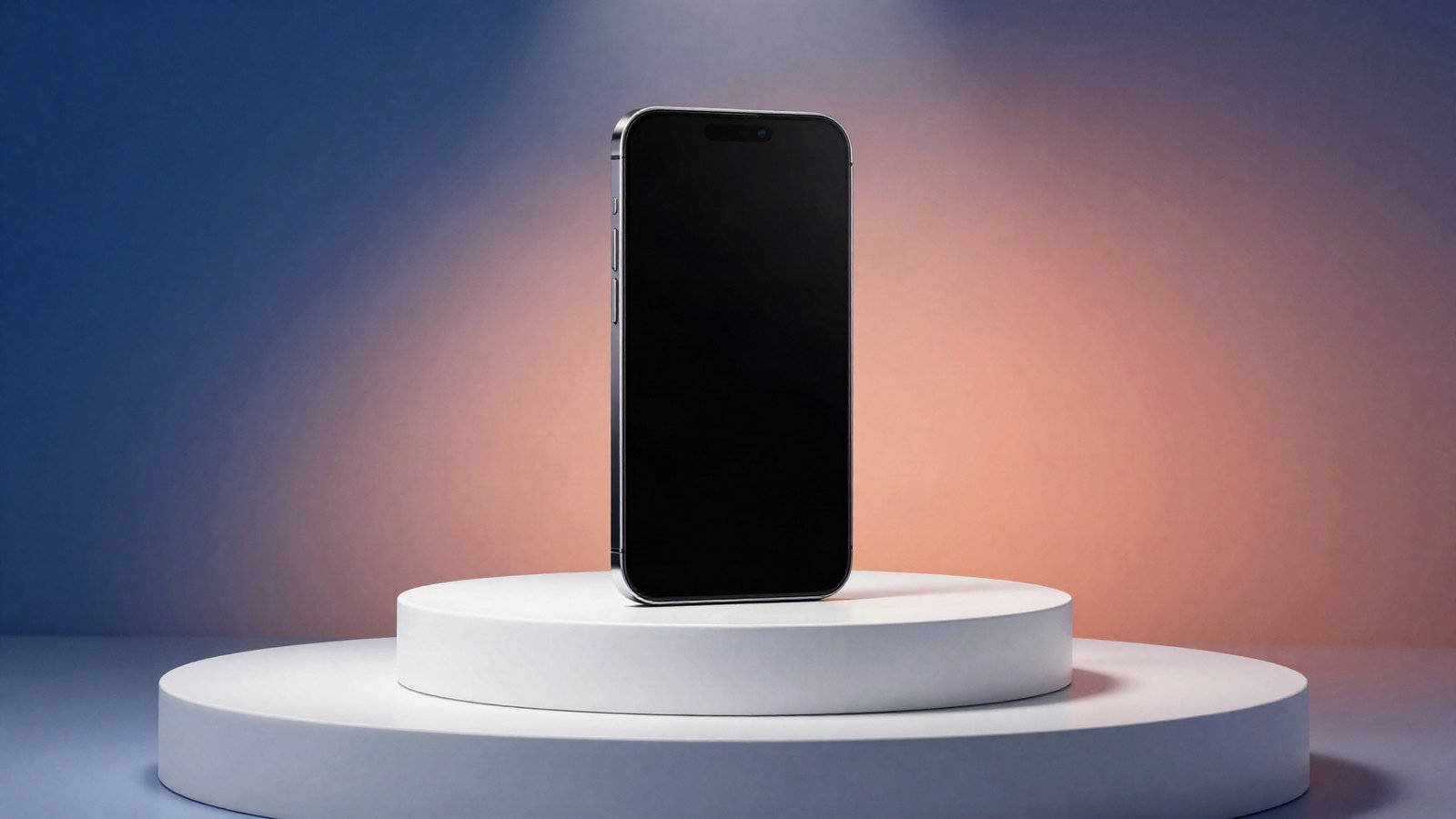
Reviewers at the event described the Pixel 11's design as continuity rather than reinvention. The signature camera bar is thinner and sits flatter, less wobbly, in Android Central's phrasing, and the Pro models add a genuinely new hardware element: a notification LED Google calls HiLight, which glows in different colours depending on the alert.
A dedicated notification light is a return to one of Android's oldest and most missed conveniences, retired industry-wide years ago and now revived as a differentiator. It is a small feature with a large constituency.
Cameras and the Pro pitch
The Pro models carry new camera features, the traditional heart of the Pixel pitch, with computational photography upgrades demonstrated through Gemini-powered editing on stage. Google has spent a decade arguing that its software makes mid-tier sensors outperform rivals' exotic hardware, and this year's presentation continued that argument with the AI assistant increasingly wired into the capture and edit flow itself.
Full camera specifications and comparative results will matter more than stage demos, and review units will settle the annual question of whether the Pro XL justifies its premium over the standard Pro.
Watch 5 and the Pixel Tag surprise
The Pixel Watch 5 headlined the wearables segment, continuing the round-faced line Google has iterated annually since acquiring Fitbit's expertise. The genuine surprise was Pixel Tag, Google's entry into the item-tracker market that Apple's AirTag has defined, plugging into the Android ecosystem's Find network.
A first-party tracker is a strategically obvious move that Android users have requested for years, and its arrival rounds out an accessories portfolio that increasingly mirrors Apple's device-for-device.
The AI subtext
As with every Google hardware event of the past three years, the devices shared the stage with Gemini. The Pixel line remains the company's proof-of-concept for on-device AI, and the presentation threaded assistant features through phones, watch and even the tracker's setup flow.
The strategic logic is unchanged: Google's hardware exists to demonstrate what Android plus Gemini can do when one company controls the whole stack, setting the bar that Samsung and the broader ecosystem then adapt.
Where Pixel actually stands in the market
Google's hardware ambitions have always outrun its market share; Pixel remains a single-digit player in US smartphone sales against the Apple-Samsung duopoly. But the line's influence exceeds its volume: Pixel is where Android's reference experience lives, where camera-software expectations get set, and where Google demonstrates the Gemini features that Samsung and others license and adapt a season later.
The 11 series inherits that dual mandate, sell phones, yes, but more importantly define what a Gemini-first phone is before Apple's own AI stack matures into a direct answer.
The tracker market Pixel Tag enters
Item trackers look like accessories but behave like networks: a tag is only as useful as the density of devices that can anonymously report its location. Apple's AirTag works because a billion iPhones relay sightings; Pixel Tag's promise rests on Android's Find network, which spans a vastly larger global device base, if activation rates cooperate.
The category also carries a safety file. Stalking misuse forced Apple and Google into a joint anti-tracking standard, and any new entrant ships into that scrutiny. How aggressively Pixel Tag surfaces unknown-tracker alerts will be examined as closely as its finding radius.
Pricing, availability and what to watch
Full pricing and shipping dates across the lineup were detailed through Google's store following the event, with pre-orders opening in the usual pattern; the Fold, as ever, anchors the top of the range. The competitive test arrives within weeks, as the iPhone's autumn launch resets the flagship conversation.
The features worth tracking through reviews: whether HiLight proves useful or gimmicky, whether the camera gains survive lab comparisons, and whether Pixel Tag's network coverage makes it a credible AirTag rival on day one.
Sources
- Android Central - Made by Google 2026 live coverage
- Tom's Guide - Pixel 11 Pro, Pro Fold and Watch 5 announced
- Android Police - Made by Google 2026 liveblog
- PhoneArena - Pixel 11 Pro expectations
You may also like to read

Alphabet Beats on Revenue but Shares Slip as AI Capex Guidance Climbs to $205bn
Alphabet grew revenue 24% to $119.8bn and cloud sales 82% in Q2, yet shares fell after it raised 2026 capital spending guidance to as much as $205bn.

Gemini 3.5 Pro Launch: Google Targets July 17 After Full Rebuild
Reports say Google will launch Gemini 3.5 Pro on 17 July after rebuilding its base model, with a rumoured 2-million-token context. Google has confirmed nothing yet.
Phoebe Gates's Shopping App Phia Faces Deepening 'Cookie Stuffing' Scandal After Bloomberg Report
Bloomberg reporting alleges the AI shopping startup's founders knew for months that Phia claimed affiliate credit for sales it did not drive, contradicting earlier statements that called the behaviour a bug discovered within 24 hours.

Intel Posts Fastest Revenue Growth in 15 Years, Yet Reports an $11bn Loss
Intel's Q2 revenue rose 25% to $16.1bn on booming data-centre demand, but a $12.5bn charge tied to its CHIPS Act deal drove an $11bn GAAP loss.