Guillermo del Toro Rejects Generative AI as Pan's Labyrinth Returns in 3D
At a Comic-Con appearance marking the 3D return of Pan's Labyrinth, Guillermo del Toro criticized generative AI and made a pointed case for human craft.
Commentary & Analysis ·
Verified key facts
- Guillermo del Toro criticized generative AI during a Comic-Con appearance.
- The event marked the 3D return of Pan's Labyrinth.
- He emphasized human craft over technological efficiency.
- A single filmmaker's position does not establish an industry-wide rule.
A pointed statement at Comic-Con
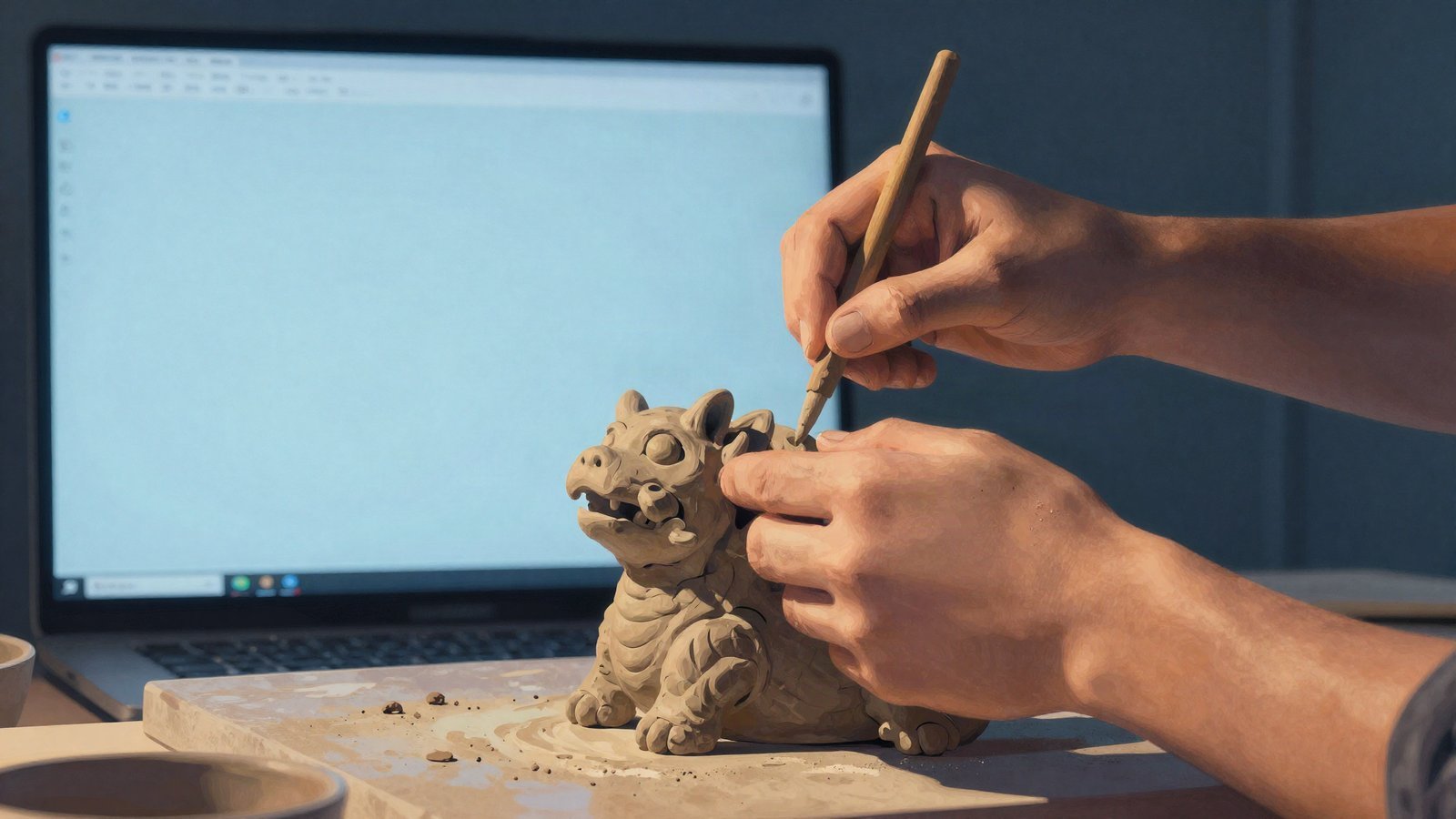
Guillermo del Toro used a Comic-Con appearance for the 3D return of Pan's Labyrinth to criticize generative AI and emphasize human craft. The moment paired a celebration of one of his best-known works with a clear stance on a contested industry issue.
The setting gave the remarks added weight. Pan's Labyrinth is widely admired for its handmade artistry and detailed creature design. Framing a defense of human craft against that backdrop reinforced the point del Toro was making about how films are built.
The timing places his comments within a wider industry moment. Debates over artificial intelligence have moved from the margins to the center of many conversations. A filmmaker of his standing weighing in ensures the remarks travel widely.
His perspective carries particular authority on this subject. Few directors are as closely associated with practical, handcrafted design. When he speaks about the value of human work, he does so from a career built on exactly that principle.
The tension he named
At the heart of his comments is a live conflict. It sets technological efficiency against artistic authorship. In an industry where visual tools, labor credit and training pathways are all being renegotiated, that tension has real stakes for working artists.
Del Toro's emphasis on craft is a statement about value. It argues that the human effort behind design, performance and detail is not simply a cost to be optimized away. It is, in his view, central to what makes the work meaningful.
The debate is not abstract. Decisions about how tools are used affect who gets hired, who gets credited and how new artists learn their trade. A prominent filmmaker weighing in adds a strong voice to those broader conversations.
The wider industry backdrop
The comments land within a larger negotiation. Studios are experimenting with AI in various parts of production. At the same time, guilds, artists and audiences are demanding consent, compensation and transparency about how creative work is used.
Those competing pressures define the current moment. On one side sits the appeal of efficiency and cost savings. On the other sits a strong push to protect the rights and livelihoods of the people who make films by hand.
Del Toro's position aligns clearly with the second camp. His stature gives that alignment visibility. A widely respected director defending craft can influence how the debate is framed, even if it does not settle the underlying questions.
The limits of one voice
It is worth keeping the scope in mind. A filmmaker's forceful position does not establish an industry-wide rule. Individual conviction, however influential, is different from binding policy across studios and guilds.
Technical workflows also deserve care. Claims about how any given film is made should be verified rather than assumed. The general debate about AI is separate from the specific methods used on a particular production.
So the statement is best read as a strong contribution to an ongoing argument. It reflects one prominent view. The eventual shape of industry practice will be decided through negotiation, not by any single declaration, however forceful.
Why the rerelease sharpens the point
The choice to speak during a 3D return of Pan's Labyrinth is fitting. The film is celebrated for its detailed, handmade artistry. Presenting it again invites audiences to appreciate the human labor behind every design and effect.
A rerelease also connects past and present. It reminds viewers of what careful craft can achieve on screen. Against that reminder, a warning about efficiency-driven shortcuts carries more force than an abstract argument would on its own.
The debate del Toro entered touches every level of production. Questions of consent, credit and compensation affect artists across departments. How those questions are answered will shape the working conditions of the people who build films.
Audiences have a stake as well. Their preferences influence what studios choose to make and how. A public conversation about craft and technology helps shape the expectations that ultimately guide those decisions across the industry.
How the 3D rerelease performs
Several developments will indicate where things are heading. The performance of the 3D rerelease will show whether audiences still turn out for the film. Additional filmmaker statements will reveal how widely del Toro's view is shared.
The most consequential evidence will come from studio and guild agreements on AI. Those agreements, more than any single appearance, will define the rules around consent, credit and compensation for the people who make films.
For now, del Toro has used a nostalgic occasion to make a forward-looking argument. The return of Pan's Labyrinth honors the craft of the past while its director insists that craft still matters for the future of the medium.
The exchange highlights a genuine divide within the industry. Some see new tools as a way to work faster and cheaper. Others see a threat to the artists whose skill and labor have long defined the medium's identity.
Resolving that divide will take more than strong opinions. It will require agreements that spell out how tools are used and how people are credited. Del Toro's intervention adds pressure, but the detailed work of settlement lies ahead.
Sources
- KPBS arts and culture
- The Academy Guillermo del Toro profile
You may also like to read
Avengers: Doomsday Footage, Doctor Doom and an Endgame Rerelease Rebuild Marvel's Event Strategy
Marvel screened new Avengers: Doomsday footage with Doctor Doom, and set an Endgame rerelease for September 25, doubling down on legacy and event exclusivity.
David Jonsson Will Play an Adult T'Challa II in Black Panther 3
Marvel confirmed David Jonsson as the grown T'Challa II in Black Panther 3, with Ryan Coogler returning and a December 2028 release target unveiled at Comic-Con.

Johnny Depp and Ti West Present Ebenezer: A Christmas Carol as a Dark Holiday Reinvention
Comic-Con audiences got a first look at Ebenezer: A Christmas Carol, a darker take on the public-domain story associated with Johnny Depp and filmmaker Ti West.
Los Angeles On-Location Production Falls Again as Hollywood Hunts for a Recovery
New industry reporting shows Los Angeles-area on-location shooting down about 12 percent, deepening worry over jobs, soundstage use and the region's competitiveness.